


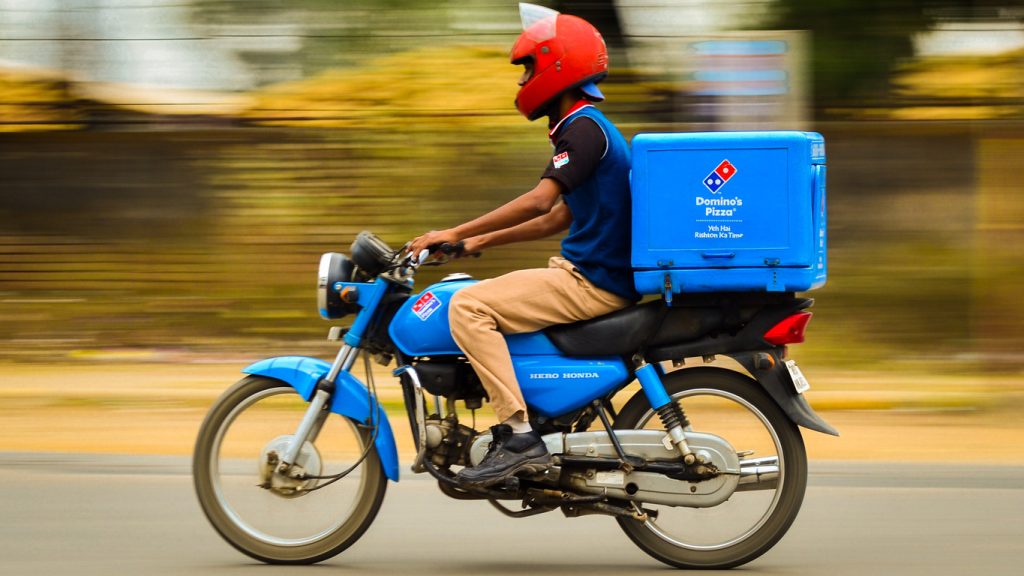
Grocery pickup and delivery in Nigeria refers to the collection and transportation of household food items and daily essentials from supermarkets, open markets, or grocery stores directly to homes, offices, hostels, or businesses.
In cities like Lagos, Abuja, Port Harcourt, Ibadan, and Kano, grocery delivery has become an important part of urban living due to traffic congestion, busy schedules, and the growth of digital shopping habits.
Travo.ng explains this as part of a modern consumer logistics and last-mile delivery system connecting grocery supply points to end users efficiently and quickly.
1. What Is Grocery Pickup and Delivery?
It is a service where:
- Grocery items are purchased or collected from stores and markets
- Items are packaged and organized for transport
- A dispatch rider or delivery vehicle delivers directly to the customer
👉 Customers avoid the stress of physically visiting crowded markets or supermarkets.
2. Common Grocery Items Delivered
🥘 Food staples
- Rice, beans, garri, yam
- Spaghetti and noodles
- Bread and breakfast items
🥬 Fresh produce
- Tomatoes and peppers
- Vegetables and fruits
- Onions and potatoes
🧴 Household essentials
- Cooking oil and spices
- Cleaning products
- Toiletries and personal care items
🥛 Refrigerated and packaged goods
- Dairy products
- Frozen foods
- Beverages and bottled drinks
3. How Grocery Delivery Works
- Customer places grocery order
- Items are sourced from supermarket or market
- Goods are packed according to category
- Dispatch rider or delivery vehicle is assigned
- Delivery is routed to customer address
- Customer confirms receipt
4. Grocery Sources Commonly Used
Supermarkets
- Shoprite
- Spar
- Everyday Supermarket
- Local neighborhood grocery stores
Open markets
- Mile 12 Market (Lagos)
- Oyingbo Market
- Bodija Market (Ibadan)
- Wuse Market (Abuja)
5. Delivery Vehicles Used
🏍️ Motorcycles
- Fastest option for small grocery orders
- Ideal for same-day urban delivery
🚗 Cars
- Better for fragile or refrigerated items
- Suitable for medium-sized grocery orders
🚐 Vans
- Used for bulk household shopping and wholesale supply
- Common for restaurants and food businesses
6. Benefits of Grocery Pickup and Delivery
- Saves time and transport stress
- Reduces exposure to crowded markets
- Supports elderly or busy customers
- Enables bulk buying from home
- Improves convenience for families and businesses
7. Challenges in Grocery Delivery Logistics
- Traffic congestion affecting delivery speed
- Perishable goods requiring careful handling
- Price fluctuations in open markets
- Weather disruptions during rainy seasons
- Packaging damage for fragile items
8. Who Uses Grocery Delivery Services?
- Families and households
- Students and NYSC members
- Busy professionals
- Restaurants and food vendors
- Elderly individuals
- Online grocery businesses
9. Best Practices for Grocery Delivery
- Separate frozen, fresh, and dry items during packaging
- Schedule delivery early for perishable goods
- Use insulated packaging where needed
- Confirm grocery list accuracy before dispatch
- Provide clear delivery address and contact details
10. Travo.ng Logistics Insight
From a logistics perspective, grocery pickup and delivery is a high-frequency consumer supply chain system, where:
- Demand is recurring and predictable
- Speed affects freshness and customer satisfaction
- Last-mile efficiency determines service quality
- Urban delivery networks support modern shopping behavior
Travo.ng supports this ecosystem by enabling structured grocery sourcing, optimized dispatch coordination, and reliable doorstep delivery across Nigerian cities.
