


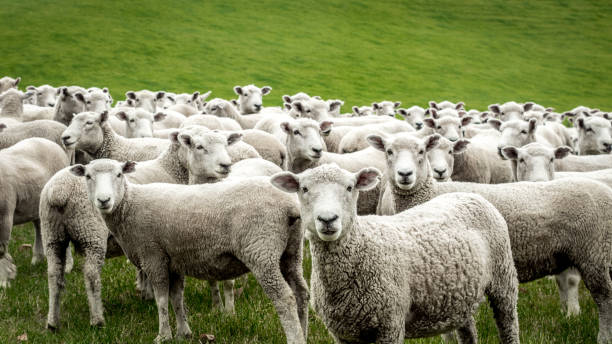
Sheep delivery in Nigeria is useful for farmers, breeders, livestock traders and buyers who need live sheep moved from one location to another. A delivery could involve moving breeding sheep from one farm to another, supplying a livestock market or delivering animals directly to a customer.
Unlike ordinary parcels, live sheep require suitable transportation conditions, secure containment, ventilation and careful handling. For interstate movements, veterinary and animal-health requirements should also be considered. Nigeria’s Agricultural Quarantine Service includes sheep among the live animals covered by its veterinary inspection functions. (Nigeria Agricultural Quarantine Service)
Preparing Sheep Before Delivery
Before collection, check the general condition of the sheep. Animals that appear sick, seriously injured or unusually weak may need veterinary attention before transportation.
Confirm the number and approximate size of the sheep before arranging the vehicle. This helps determine the appropriate capacity and reduces the risk of overcrowding.
For longer deliveries, consider the expected travel time, traffic, weather and road conditions. Planning the route beforehand can help reduce unnecessary delays.
Choosing the Right Vehicle for Sheep Delivery
A suitable livestock vehicle should safely contain the sheep while allowing adequate airflow.
The loading area should have secure sides and a floor that reduces slipping. Check for sharp edges, exposed metal, loose materials and openings through which an animal could escape.
Avoid overloading the vehicle. Sheep need sufficient room to maintain their balance, especially when travelling over uneven roads or through heavy traffic.
Loading Sheep Safely
Sheep should be loaded calmly and in a controlled environment. Excessive chasing, shouting or rough handling can frighten the animals and increase the risk of injury.
Where necessary, use a suitable loading ramp. Once the sheep are inside, secure the enclosure properly before the vehicle begins moving.
The driver should avoid sudden acceleration, hard braking and sharp turns. Smooth driving is particularly important when the delivery involves a long interstate journey.
Sheep Delivery Between Nigerian States
Sheep may be delivered between farms, livestock-producing areas, markets and major Nigerian cities.
Interstate transportation can involve long distances, checkpoints and changing road conditions. Nigeria’s quarantine framework provides for inspection and disease surveillance of trade animals, with veterinary movement and loading permits at interstate veterinary control posts in the circumstances covered by the relevant law. (Nigeria Agricultural Quarantine Service)
Before an interstate delivery, confirm the current veterinary requirements that apply to the particular movement.
Delivering Sheep From a Farm to a Buyer
Farm-to-buyer delivery is a common arrangement for livestock sellers.
Before pickup, confirm:
- Number of sheep
- Approximate size of the animals
- Pickup location
- Delivery address
- Preferred delivery date
- Contact details for the receiver
- Any special handling requirements
The buyer should have a secure holding area ready before the sheep arrive. This helps prevent unnecessary waiting inside the vehicle.
Sheep Delivery for Breeders
Breeders may arrange delivery when selling breeding stock, expanding a flock or transferring animals to another farm.
Breeding sheep can represent a significant investment, so the owner should provide the transporter with clear information about the animals before collection.
The receiving farm should also be prepared before the sheep leave the original location, including a secure area where the animals can be unloaded safely.
Sheep Delivery to Livestock Markets
Livestock traders may arrange delivery from farms or collection points to markets in different towns and cities.
Timing matters when delivering sheep to a busy market. Unnecessary waiting can increase handling and stress, so the transporter and receiving trader should coordinate the arrival in advance.
Once the vehicle reaches the market, the sheep should be unloaded as soon as reasonably possible and moved to a suitable holding area.
How Much Does Sheep Delivery Cost in Nigeria?
There is no single fixed price for sheep delivery in Nigeria. The cost depends on the details of the journey.
Factors that can affect the delivery charge include:
- Pickup and delivery locations
- Number of sheep
- Size of the animals
- Distance and journey duration
- Vehicle type and capacity
- Loading and unloading requirements
- Fuel and road conditions
- Number of handlers required
- Applicable veterinary requirements
A short delivery involving a few sheep within one city will have different logistics from moving a large number of animals between several states.
For an accurate quote, provide the pickup location, destination, number of sheep, approximate sizes and preferred delivery date.
Biosecurity During Sheep Delivery
Biosecurity should be considered whenever sheep are moved between farms, markets and different regions.
Transport equipment should be appropriately cleaned between journeys, especially if it has previously carried animals from another farm or livestock market. Unnecessary mixing of animals from different sources should also be avoided.
NAQS carries out disease surveillance and inspection of trade animals at designated quarantine control posts, making animal-health considerations an important part of organised livestock movement. (Nigeria Agricultural Quarantine Service)
Where specific disease-control measures apply, livestock owners and transporters should follow the instructions of the relevant veterinary authorities.
Arranging Sheep Delivery With Travo.ng
If you need sheep delivery in Nigeria, Travo.ng can help coordinate the transportation logistics where the required live-animal transportation service is available.
When making an enquiry, provide the pickup location, destination, number of sheep, approximate size of the animals and preferred delivery date. Also mention whether the sheep are being delivered for breeding, farming, livestock trading or to a private buyer.
Providing these details early makes it easier to plan a suitable transportation arrangement.
Preparing for the Sheep to Arrive
The receiving location should be ready before delivery.
Prepare a secure holding area with suitable shelter and access to water. Keep the unloading space clear and make sure there is enough room for the sheep to be moved safely from the vehicle.
Whether you are buying sheep from a distant farm, supplying a livestock market or moving breeding animals to another state, careful preparation at both ends can make sheep delivery safer, smoother and more organised.
