


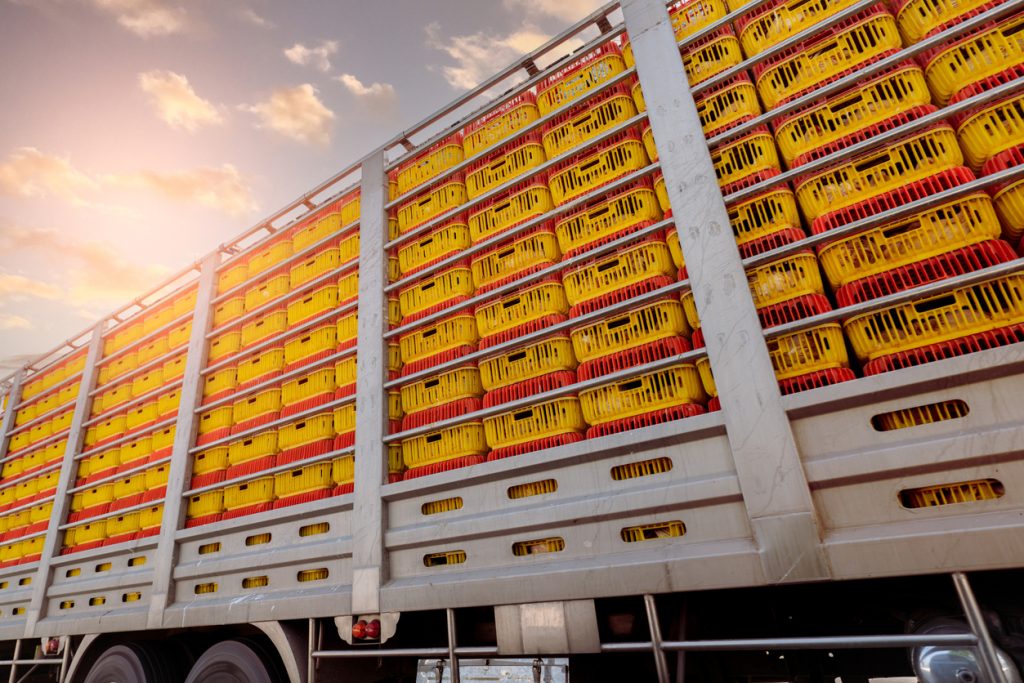
Moving cattle, goats, sheep and other farm animals across Nigeria requires a trailer that is suitable for live-animal transportation. Livestock trailer hire can be useful for farmers, livestock traders, ranchers, breeders, abattoirs and agricultural businesses moving animals between farms, markets and different states.
The right trailer should provide adequate space, ventilation, secure containment and safe loading arrangements. Nigeria’s Federal Ministry of Livestock Development has identified features such as proper ventilation, non-slip flooring, adjustable partitions and easy-loading ramps as important considerations for livestock transportation. (FMLD)
Choosing the Right Livestock Trailer
The trailer should match the type and number of animals being transported. Cattle require a different setup from goats or sheep, while larger animals may need stronger partitions and more internal space.
Before hiring a trailer, provide the transporter with:
- Type of livestock
- Number of animals
- Approximate size and weight
- Pickup location
- Destination
- Travel date
- Expected journey duration
- Any special handling requirements
Giving these details early makes it easier to arrange an appropriate trailer rather than relying on whatever vehicle happens to be available.
Cattle Trailer Hire in Nigeria
Cattle transportation requires particular attention to space, ventilation and secure containment. Overcrowding can make animals more difficult to control and increase the risk of injuries during sudden braking, poor road conditions or loading.
For long-distance movements, the route should also be planned around traffic, road conditions, security and suitable stopping arrangements. The Federal Ministry of Livestock Development has identified long-distance movement between northern production areas and major southern markets as an important logistics challenge in Nigeria’s livestock sector. (FMLD)
Goat and Sheep Trailer Hire
Goats and sheep are commonly moved between farms, livestock markets, breeding locations and buyers. Their smaller size means the trailer may require a different internal configuration from one used for cattle.
Partitions can be useful when separating groups of animals or preventing unnecessary movement inside the trailer. The transporter should also know the number of animals before providing a quotation.
What Makes a Good Livestock Trailer?
When inspecting or booking a trailer, pay attention to:
- Non-slip flooring
- Adequate ventilation
- Strong side panels
- Secure doors and gates
- Suitable loading ramps
- Adjustable partitions where necessary
- Sufficient internal space
- Easy cleaning and sanitation
The condition of the trailer matters as much as its size. A large trailer that is poorly maintained may not be suitable for transporting livestock.
Livestock Trailer Hire for Long-Distance Routes
Nigeria’s livestock trade often involves substantial movement between production areas and major consumption markets. A long-distance trailer booking should therefore cover more than the vehicle itself.
Confirm the expected travel time, route, fuel arrangements, loading location, unloading point and what happens if the vehicle breaks down.
It is also important to consider animal health and movement-control requirements. Nigeria’s livestock authorities are working to strengthen traceability, veterinary controls and safer livestock transportation along major livestock corridors. (FMLD)
Livestock Movement Documents
Depending on the journey and location, livestock movement may require veterinary inspection or movement documentation. Requirements can vary according to the type of animal, origin, destination and applicable state controls.
Before the journey, confirm the current requirements with the relevant veterinary or livestock authority. This is particularly important for commercial movements between states.
How Much Does Livestock Trailer Hire Cost in Nigeria?
There is no standard nationwide price for livestock trailer hire. The quotation can depend on:
- Trailer size
- Number and type of animals
- Distance
- Pickup and delivery locations
- Fuel and road expenses
- Driver and handler charges
- Loading and unloading
- Waiting time
- One-way or return-trip arrangement
A journey within one state will generally have different requirements from a multi-state trip involving several hundred kilometres.
For an accurate quote, give the transporter the complete route and livestock details instead of requesting a price based only on the trailer size.
Questions to Ask Before Hiring a Livestock Trailer
Before confirming the booking, ask:
- Is the trailer designed for livestock?
- What is its safe carrying capacity?
- Is there adequate ventilation?
- Does it have non-slip flooring?
- Are partitions available?
- Is a loading ramp included?
- Is the driver included in the price?
- Are livestock handlers available?
- Are loading and unloading included?
- What happens in the event of a breakdown?
- What documents are required for the journey?
Getting these details confirmed before the animals are loaded can prevent delays and unexpected charges.
How Travo.ng Can Help With Livestock Trailer Hire
Travo.ng can help individuals, farmers and businesses coordinate logistics requirements for livestock movement in Nigeria.
When requesting livestock trailer hire, provide the type and number of animals, pickup point, destination and preferred travel date. For longer journeys, include any requirements for loading, unloading, handling or scheduled stops.
This information helps establish the transportation requirements and makes it easier to organise a suitable livestock movement plan.
Planning Livestock Trailer Hire in Nigeria
Book the trailer before the animals are ready for collection. Confirm the vehicle, route, loading arrangements, documentation and delivery schedule in advance.
A suitable livestock trailer should be selected based on the animals being moved, the distance involved and the conditions expected along the route. Proper ventilation, secure containment, safe flooring and careful handling can make livestock transportation more organised and reduce avoidable problems during the journey.
