


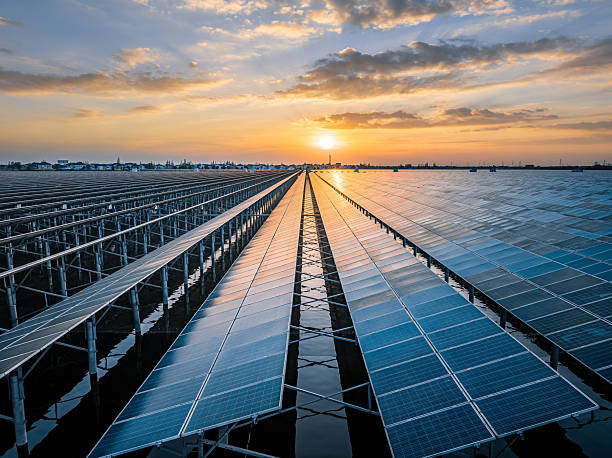
Solar panel or inverter part delivery refers to the fast and secure logistics movement of solar energy components and inverter system accessories from suppliers, distributors, or warehouses to installers, technicians, and project sites.
In Nigeria, especially in Lagos, Abuja, and industrial corridors like Ogun (Agbara, Sango-Ota, Sagamu), demand for solar energy systems is rising due to unstable grid power and growing adoption of renewable energy solutions for homes, businesses, and factories.
Travo.ng supports solar logistics by coordinating rapid dispatch, bulk equipment distribution, and installation-site delivery of solar and inverter components across Nigeria.
1. What Are Solar & Inverter Parts?
Solar and inverter logistics covers a wide range of components such as:
Solar energy components:
- Solar panels (mono/polycrystalline)
- Mounting structures and frames
- Charge controllers (MPPT/PWM)
- Solar cables and connectors
- Junction boxes
Inverter system components:
- Inverters (hybrid, pure sine wave)
- Deep-cycle batteries (lithium/lead-acid)
- Battery racks and cabinets
- Circuit breakers and protection systems
- Monitoring systems and meters
👉 These items are often fragile, high-value, and installation-sensitive.
2. Why Solar Equipment Delivery Is Important in Nigeria
This logistics segment is growing fast due to:
- Unstable electricity supply (PHCN outages)
- High fuel cost for generators
- Expansion of residential solar adoption
- Growth of commercial solar installations
- Rural electrification projects
- Industrial shift to hybrid power systems
In Lagos and other urban centers, solar systems are now widely used in:
- Homes
- Offices
- Schools
- Hospitals
- Retail stores
3. How Solar & Inverter Delivery Works
- Installer or project manager requests materials
- Supplier prepares solar/inverter components
- Logistics team picks items from warehouse or distributor
- Items are packed with protective handling
- Delivery is dispatched to installation site or technician
- Installation team receives and installs system
4. Types of Solar Logistics Services
1. Residential Solar Delivery
- Small systems for homes
- Inverter + battery + panels delivery
- Fast installation support
2. Commercial Solar Project Delivery
- Offices, hotels, and retail stores
- Bulk panel and battery shipments
- Scheduled installation logistics
3. Industrial Solar Supply Delivery
- Factories and warehouses
- High-capacity inverter systems
- Large-scale solar panel deployment
4. Emergency Replacement Delivery
- Faulty inverter replacement parts
- Battery or controller failure support
- Urgent technician supply runs
5. Logistics Infrastructure for Solar Equipment Delivery
A. Solar Equipment Warehouses
Located in:
- Ikeja / Ogba / Ilupeju (electronics and energy hubs)
- Lekki / Ajah (residential solar demand zone)
- Amuwo Odofin / Mile 2 logistics corridor
- Ogun industrial estates (Agbara, Sango-Ota)
Used for:
- Bulk storage of panels and inverters
- Order consolidation
- Project-based dispatch
B. Delivery Fleet
- Motorcycles (small components and accessories)
- Vans (medium solar kits)
- Trucks (bulk panels and industrial systems)
C. Installation Coordination Support
- Matching delivery with solar technicians
- Scheduling site delivery for installation readiness
- Coordinating multi-location project rollout
6. Special Handling Requirements
Solar logistics requires careful handling due to equipment sensitivity:
- Fragile solar panels (avoid cracks or pressure damage)
- Proper insulation for batteries
- Moisture protection for electrical components
- Shock-resistant packaging
- Secure stacking for transport stability
7. Challenges in Solar Equipment Delivery in Nigeria
- Fragility of solar panels during transport
- Import delays and supply shortages
- High-value theft risk
- Logistics cost for bulky items
- Coordination between supplier and installation teams
- Poor road access to some rural installation sites
8. Benefits of Efficient Solar Logistics
- Faster installation project completion
- Reduced equipment damage
- Lower project downtime
- Better coordination between installers and suppliers
- Improved renewable energy adoption speed
- Reduced dependency on generators and grid power
9. Who Uses Solar & Inverter Delivery Services?
- Solar installation companies
- Electrical engineers and technicians
- Real estate developers
- Commercial facility managers
- Industrial plant operators
- Government electrification projects
- Homeowners switching to solar
10. Best Practices for Solar Logistics in Nigeria
- Use protective packaging for all panels
- Pre-schedule delivery with installation teams
- Store batteries in temperature-controlled environments
- Group deliveries by project site location
- Track serial numbers for warranty control
- Use reliable logistics partners for high-value transport
How Travo.ng Supports Solar Logistics
Travo.ng helps by:
Ensuring timely delivery aligned with installation schedules
Coordinating solar and inverter equipment delivery across Nigeria
Managing warehouse-to-site logistics for installations
Supporting bulk distribution for solar companies
Reducing damage risk through structured handling systems
