


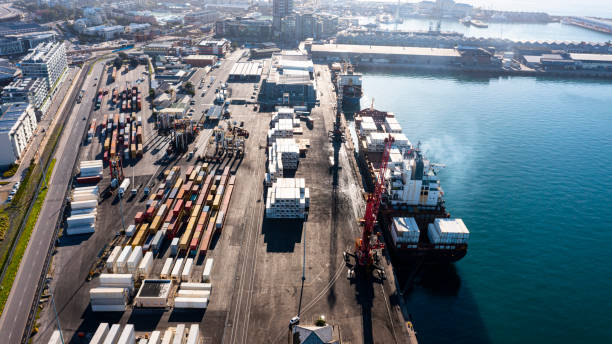
An African business logistics network connects companies with the transport, freight, warehousing, delivery and supply chain services they need to move goods across African markets. Instead of businesses arranging every shipment independently, a connected logistics network can bring together freight forwarders, transport operators, warehouses, customs specialists and delivery providers.
This type of network is increasingly relevant as African businesses expand beyond their domestic markets and participate in regional and international trade.
What an African Business Logistics Network Covers
A business logistics network can connect several services, including:
- Freight forwarding
- Road transportation
- Sea and air cargo
- Warehousing
- Customs support
- Cargo handling
- Distribution
- Last-mile delivery
- Shipment tracking
- Cross-border transportation
- Logistics partnerships
The exact services depend on the network and the countries or trade corridors it covers.
Connecting Businesses With Logistics Providers
One of the main purposes of a logistics network is to make it easier for businesses to find suitable logistics partners.
A Nigerian importer may need a freight forwarder for an overseas shipment, a truck to move cargo from the port and a local delivery provider to reach the final warehouse. A connected network can help businesses coordinate these different requirements.
Freight networks operating across Africa already use member networks to connect independent logistics providers and facilitate cross-border shipments.
Cross-Border Business Logistics
Moving goods between African countries can involve different roads, borders, customs procedures and transport providers.
A business logistics network can help connect the different parties involved in these movements. This is particularly useful for companies trading along major regional corridors.
For example, a Nigerian company exporting products to Ghana may need transportation from its warehouse, border documentation, cross-border trucking and delivery to the buyer.
Freight Forwarding and Cargo Movement
Freight forwarders play an important role in international business logistics by coordinating transportation and documentation between different parties.
A network can give businesses access to freight forwarding partners in different countries, making it easier to arrange shipments when the origin and destination are in separate markets.
This can be useful for companies that do not have their own logistics operations in every country where they trade.
Warehousing and Distribution
A business logistics network can also connect transportation with storage and distribution.
Goods may need to be stored temporarily after arriving at a port or before being distributed to different customers. Businesses selling across several cities may also require regional warehouses or fulfilment centres.
Connecting warehousing with transportation can make inventory movement easier to coordinate.
Logistics Visibility and Shipment Tracking
Businesses need to know what is happening to their goods after they leave the warehouse.
Digital logistics networks can provide shipment information, tracking and communication between businesses and logistics providers. This can help companies monitor cargo and identify potential delays.
Digital logistics platforms in Africa are increasingly combining local logistics providers with technology for shipment management and visibility.
Supporting African SMEs
Small and medium-sized businesses may not have enough shipment volume to maintain their own logistics teams, warehouses or transport fleets.
A business logistics network can give SMEs access to external logistics partners while allowing them to concentrate on sourcing, production, sales and customer relationships.
This can be particularly useful for Nigerian retailers, manufacturers, wholesalers, exporters and e-commerce businesses.
Building Regional Trade Connections
Better logistics connections can support businesses that want to sell outside their home market.
In 2025, Nigeria launched an intra-African air cargo corridor connecting Nigerian exporters with markets including Uganda, Kenya and South Africa. The initiative was designed to address logistics costs and delivery challenges affecting regional trade.
Developments like this show why businesses need logistics networks that connect different transport modes and markets.
Choosing a Business Logistics Network
Businesses should consider more than the number of companies listed in a network.
Important factors include the countries covered, available transport options, experience with particular trade corridors, customs capabilities, shipment tracking, insurance arrangements and customer support.
Businesses should also verify logistics partners and agree clearly on pricing, cargo responsibilities, delivery timelines and documentation before moving valuable goods.
How Travo.ng Can Help With African Business Logistics
Travo.ng can support businesses with transportation, cargo movement and delivery requirements. For companies operating within Nigeria or coordinating wider regional logistics, this can help connect individual transportation needs with the broader movement of goods.
Businesses can benefit from having pickup, transportation and delivery requirements organised rather than managing every stage separately.
Building a Connected African Logistics Network
An African business logistics network can bring businesses and logistics providers closer together, making it easier to arrange freight, transportation, warehousing and delivery across different markets.
For Nigerian businesses expanding into African markets, the value of a connected logistics network is not simply finding a transport provider. It is creating a coordinated process that can support the movement of goods from the supplier or warehouse through to the final customer.
