


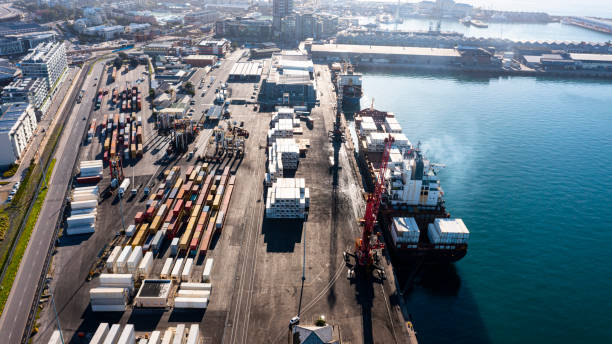
End-to-end supply chain management means coordinating the movement of products from the initial sourcing or procurement stage through transportation, warehousing, inventory management, distribution and final delivery. Instead of treating each activity as a separate operation, businesses manage the entire supply chain as one connected process.
For Nigerian businesses, this approach can be particularly useful when products move through several stages, such as international shipping, port clearance, warehousing, inland transportation and delivery to customers.
What End-to-End Supply Chain Management Covers
An end-to-end supply chain can include several connected activities:
- Supplier sourcing and procurement
- Order and inventory management
- Freight booking
- Customs and trade documentation
- Port and cargo handling
- Warehousing
- Inland transportation
- Distribution
- Last-mile delivery
- Shipment tracking and reporting
The objective is to make these stages work together rather than leaving each provider to operate independently.
Procurement and Supplier Coordination
The supply chain starts before goods are transported. Businesses need to identify suppliers, place purchase orders, confirm production schedules and coordinate when goods will be ready for shipment.
Poor coordination at this stage can create problems later. A shipment may arrive at a port before the warehouse has space, or a business may run out of stock because supplier and transport schedules were not properly aligned.
End-to-end management brings procurement information into the wider logistics plan.
Freight and Transportation Management
Once goods are ready, transportation becomes a major part of the supply chain.
Depending on the shipment, businesses may use ocean freight, air freight, road transportation or a combination of different modes. Effective supply chain management coordinates these movements according to the cargo, destination, delivery deadline and available budget.
For Nigerian importers, this could mean coordinating cargo from an overseas supplier through a Nigerian port and then arranging transportation to Lagos, Abuja, Kano, Port Harcourt or another destination.
Customs and Trade Documentation
International shipments require proper documentation and regulatory processes. In Nigeria, businesses involved in international trade also interact with customs and other relevant authorities.
Keeping documentation connected to the shipment can reduce confusion between suppliers, freight providers, clearing agents and business teams.
Nigeria Customs Service also operates an Authorised Economic Operator programme for eligible supply-chain operators with strong compliance and security controls.
Warehousing and Inventory Management
Getting products into a warehouse is only one part of supply chain management. Businesses also need to know what has arrived, how much stock is available and when inventory should be moved to customers or distribution points.
A connected system can link incoming shipments with warehouse inventory and outgoing orders.
This is particularly important for wholesalers, manufacturers, retailers and e-commerce businesses handling large or frequently changing inventories.
Distribution and Last-Mile Delivery
After goods leave the warehouse, they still need to reach the right customers or business locations.
End-to-end supply chain management connects warehouse operations with distribution planning and final delivery. This can help businesses coordinate interstate deliveries, retail distribution and direct-to-customer orders.
The final stage is important because delays at delivery can affect the customer’s experience even when the international shipping and warehouse operations were completed successfully.
Supply Chain Visibility
Visibility allows businesses to understand what is happening throughout the supply chain.
Modern logistics operations increasingly use tracking systems and digital platforms to monitor shipment milestones, inventory and delivery activity. Some Nigerian logistics providers now combine transportation, warehousing, tracking and supply chain coordination into integrated services.
Better visibility can help businesses identify delays earlier and make decisions based on current shipment information.
Why SMEs Need End-to-End Supply Chain Management
Small and medium-sized businesses may not have dedicated teams for procurement, freight, warehousing and distribution.
Managing these activities separately can become difficult as the business grows. An end-to-end approach allows the business to coordinate multiple logistics activities through a structured process without losing visibility between different stages.
This can be useful for Nigerian SMEs involved in importing, manufacturing, agriculture, wholesale, retail and e-commerce.
Managing Costs Across the Supply Chain
Supply chain costs do not come from transportation alone. Businesses may also spend money on warehousing, customs processes, inventory holding, packaging, handling, delivery and delays.
Looking at the entire supply chain makes it easier to identify where unnecessary costs are occurring.
For example, choosing a cheaper freight option may not actually reduce total costs if it creates long delays, additional storage charges or missed delivery deadlines.
How Travo.ng Can Help With End-to-End Supply Chain Management
Travo.ng can help businesses coordinate transportation, cargo movement, delivery and other logistics requirements as part of a wider supply chain process.
For businesses operating in Nigeria, this can be useful when goods need to move between suppliers, ports, warehouses, business locations and final customers. Coordinating these movements properly helps businesses focus on their core operations while keeping logistics organized.
Building a Connected Supply Chain
End-to-end supply chain management is ultimately about connecting activities that are often handled separately. Procurement, freight, customs, warehousing, transportation and delivery all influence the final cost and delivery performance of a business.
For Nigerian companies dealing with domestic distribution or international trade, creating a connected supply chain can provide better visibility, coordination and control from the first order to the final delivery.
