


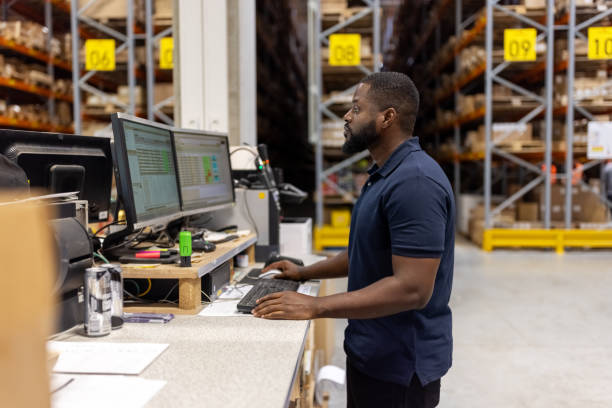
Renting a warehouse in Lagos involves more than just paying rent. Because most warehouses fall under commercial real estate + industrial logistics use, landlords and agents require documentation, financial proof, and operational details before leasing.
Travo.ng helps businesses secure verified warehouse spaces across Lagos (Apapa, Ikeja, Amuwo Odofin, Lekki, and Ogun corridors) while ensuring proper lease compliance and logistics setup.
1. Basic Legal Requirements
These are the standard documents most landlords or agents request:
- Valid means of identification (NIN, International Passport, Driver’s License)
- Passport photographs (usually 2–4 copies)
- Company registration documents (CAC certificate) if renting as a business
- Utility bill or proof of address (for verification)
If it’s a corporate lease:
- Board resolution authorizing the lease
- Company profile (sometimes requested for large warehouses)
2. Financial Requirements
Warehouse landlords in Lagos prioritize financial capability because of high-value leases.
Typical requirements include:
- Proof of ability to pay rent (bank statement or financial evidence)
- Advance rent payment (commonly 1–2 years upfront)
- Security deposit (often 5%–10% of annual rent)
- Agency fee (usually 10% of total rent)
- Legal fee (commonly 5% of rent value)
Example: In Ikeja industrial zone, leases often require advance payment plus statutory deductions like withholding tax (WHT) and VAT depending on structure
3. Lease Agreement Requirements
Before final approval, you will be expected to sign a commercial lease agreement that includes:
- Lease duration (1–3 years typical in Lagos)
- Rent review terms
- Permitted warehouse usage (storage only, FMCG, manufacturing, etc.)
- Maintenance responsibilities
- Termination and renewal clauses
- Insurance requirements (in some cases mandatory)
4. Warehouse Use Compliance (Important in Lagos)
Landlords will want to know what you are using the warehouse for:
- FMCG storage
- Import cargo storage
- Manufacturing support
- E-commerce fulfillment
- Cold storage or bonded operations
Some warehouses restrict:
- Hazardous materials
- Heavy industrial production
- Overloading of structure beyond design capacity
5. Technical / Operational Requirements
Depending on the warehouse type, you may also be expected to confirm:
- Truck access (20ft / 40ft container compatibility)
- Loading bay requirements
- Forklift or pallet jack usage
- Storage system (floor stacking or racking)
- Power requirement (generator or 24/7 electricity needs)
6. Security and Insurance Requirements
Most warehouses in Lagos require:
- 24/7 security arrangement
- CCTV monitoring system
- Fire safety compliance
- Insurance coverage for stored goods (especially FMCG or high-value items)
In high-risk logistics zones (Apapa, Mile 2, Oshodi), security requirements are stricter.
7. Inspection Requirement (Mandatory Step)
Before renting, you must physically inspect:
- Road access (especially for trailers)
- Flood risk during rainy season
- Structural condition (roof, flooring, height)
- Loading/unloading efficiency
- Security setup
No serious warehouse lease in Lagos is finalized without inspection.
8. Common Lease Conditions in Lagos Warehouses
Most agreements include:
- Advance rent payment (1–2 years)
- Annual service charge (varies by estate)
- Maintenance responsibility clauses
- Restricted subleasing rules
- Penalties for misuse or damage
In some industrial estates (Ikeja, Ilupeju, Agbara), additional compliance fees may apply.
Final Summary
To rent a warehouse in Lagos, you typically need:
- Valid ID + business registration (if applicable)
- Proof of financial capacity
- Upfront rent + deposit + agency/legal fees
- Signed lease agreement
- Compliance with warehouse usage rules
- Physical inspection approval
