


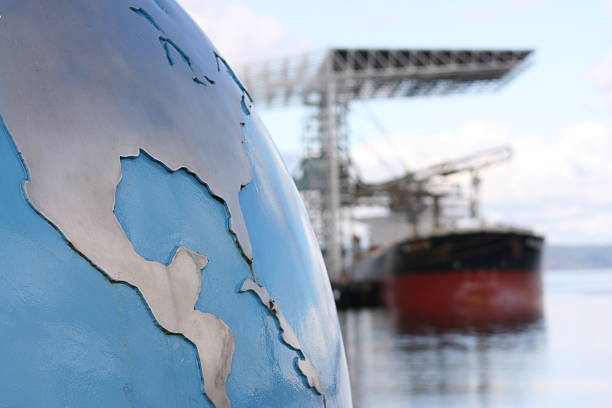
Africa’s trade ecosystem includes much more than buyers and sellers exchanging goods. It is a network of manufacturers, farmers, exporters, importers, logistics companies, ports, customs authorities, financial institutions, digital platforms, regulators and consumers that work together to move products across borders.
The African Continental Free Trade Area (AfCFTA) provides a continental framework for strengthening this ecosystem, but businesses still depend on practical systems such as transportation, customs, payments, standards, finance and digital infrastructure to trade efficiently across countries.
What Makes Up Africa’s Trade Ecosystem?
A functioning trade ecosystem depends on several connected areas:
- Producers and manufacturers
- Importers and exporters
- Wholesale and retail businesses
- Freight forwarders and logistics companies
- Ports, airports and transport corridors
- Customs and border agencies
- Banks and payment providers
- Insurance companies
- Standards and regulatory bodies
- Digital trade platforms
- Warehousing and distribution networks
A problem in one part of the system can affect the rest. For example, delays at a border can disrupt transport schedules, increase storage costs and delay deliveries to customers.
Intra African Trade and AfCFTA
AfCFTA is intended to create a larger integrated African market and reduce barriers to trade between participating countries.
Recent African Union reporting highlights the opportunity for stronger regional value chains, noting that more than 60% of intra-African trade consists of manufactured goods. At the same time, a large share of Africa’s overall trade continues to take place with markets outside the continent.
For businesses, this creates opportunities to source products, raw materials and services from other African markets rather than depending entirely on suppliers outside the continent.
Logistics Is at the Centre of African Trade
A strong trade ecosystem requires reliable movement of goods.
A manufacturer in Nigeria may source raw materials from Ghana, sell finished products in Côte d’Ivoire and distribute through regional warehouses. Each stage requires transportation, documentation, customs processing and delivery coordination.
Road corridors, ports, airports, rail networks and warehouses therefore play an important role in making regional trade practical.
Transport costs and border delays can influence whether a business can compete in another African market.
Customs and Border Processes
Customs is another major part of the African trade ecosystem.
Businesses need to understand product classification, documentation, applicable duties, certificates and border procedures before moving goods internationally.
Greater cooperation between customs administrations can reduce duplication and improve the movement of cargo.
Current continental efforts also include customs modernisation initiatives designed to improve digital information exchange, coordinated border management and electronic cargo tracking.
Payments and Trade Finance
Businesses also need reliable ways to pay suppliers and receive money from customers in other African countries.
Cross-border payments can become complicated when businesses deal with different currencies, banking systems and transaction costs.
Digital payment infrastructure and regional financial systems can therefore become an important part of a more connected African trade ecosystem.
Trade finance is equally important. Importers and exporters may require working capital, letters of credit, invoice financing or other financial arrangements to complete transactions.
Digital Trade Infrastructure
Technology is increasingly becoming part of the continent’s trade infrastructure.
Digital platforms can help businesses find suppliers and customers, request freight quotations, book shipments, manage documentation and track cargo.
The development of interoperable digital trade systems is also becoming an important part of continental integration efforts.
For SMEs, easier access to digital trade tools can reduce some of the administrative work involved in finding markets and managing cross-border transactions.
African Businesses and Regional Supply Chains
A stronger trade ecosystem can also support regional supply chains.
Instead of exporting raw materials and importing finished products, businesses can participate in multiple stages of production across different African countries.
For example, agricultural products could be processed in one country, packaged in another and distributed through regional markets.
This type of value-chain development can create additional opportunities for manufacturers, logistics companies, wholesalers and service providers.
What Nigerian Businesses Should Consider
Nigeria is an important market for businesses looking to participate in African trade.
Before expanding into another African country, a Nigerian business should research:
- Product demand
- Import requirements
- Applicable trade rules
- Local competitors
- Currency and payment options
- Transport routes
- Customs procedures
- Distribution costs
- Warehousing requirements
- Expected delivery times
Market opportunity alone is not enough. The logistics and regulatory side of the transaction needs to work as well.
How Travo.ng Can Help With Africa Trade Logistics
Travo.ng can support businesses with logistics and cargo movement requirements connected to African and international trade.
For a company expanding into another African market, logistics planning can include transportation, cargo coordination, delivery arrangements and movement of goods between important commercial locations.
Combining trade planning with logistics planning gives businesses a clearer view of the practical steps involved in getting products from the supplier to the customer.
Building a More Connected African Trade Market
Africa’s trade ecosystem is made up of many systems that need to work together. Stronger transport networks, more efficient customs processes, reliable payments, digital infrastructure and regional supply chains can make cross-border commerce easier to manage.
For businesses, understanding this wider ecosystem is useful when entering new African markets. Instead of viewing international trade as simply buying and selling products, businesses can plan around the complete chain that moves goods, money and information across borders.
