


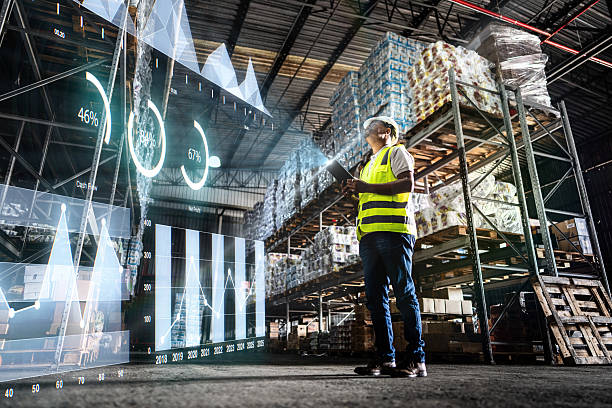
Choosing the right warehouse in Lagos is a strategic logistics decision that directly affects delivery speed, cargo handling cost, port clearance efficiency, and distribution performance. The wrong warehouse location can increase truck delays, fuel cost, and inventory downtime, especially in high-traffic zones like Apapa and Oshodi.
Travo.ng supports businesses in selecting and coordinating warehouse spaces across Lagos and Ogun by aligning storage needs with real logistics flow.
1. Match the Warehouse Location to Your Supply Chain
The most important decision is location.
Seaport-driven businesses (imports)
Best areas:
- Apapa
- Tin Can Island
- Kirikiri
- Mile 2 / Amuwo Odofin
Airport-driven businesses (air cargo)
Best areas:
- Ikeja
- Ajao Estate
- Ilupeju
- Oshodi / Isolo
E-commerce & fast delivery businesses
Best areas:
- Lekki / Ajah / Sangotedo
- Ikeja axis
- Ogba / Ojota
Large-scale industrial storage
Best areas:
- Agbara
- Igbesa (OPIC Estate)
- Sagamu / Ibadan Expressway
- Epe industrial corridor
2. Evaluate Truck Accessibility (Critical in Lagos Logistics)
A warehouse is only efficient if trucks can operate smoothly.
Check:
- 20ft and 40ft container access
- Turning radius for trailers
- No permanent traffic bottlenecks
- Alternative route access (very important in Apapa/Oshodi)
Poor access = delayed cargo movement and higher logistics cost.
3. Check Warehouse Type Based on Operations
Different operations require different warehouse structures:
- Cross-docking warehouses → fast-moving FMCG goods
- Fulfillment warehouses → e-commerce order processing
- Industrial warehouses → manufacturing + storage
- Bonded warehouses → imported cargo under customs control
- Cold storage warehouses → food/pharmaceutical goods
Choosing the wrong type reduces efficiency even if the location is correct.
4. Assess Loading Bay Efficiency
Strong warehouses in Lagos should have:
- Dock levelers or ramps
- Multiple loading bays for trucks
- Forklift-friendly layout
- Easy container offloading space
This is especially important in high-volume areas like Apapa and Isolo.
5. Security and Cargo Protection
Warehouse security directly affects business risk.
Minimum requirements:
- 24/7 security presence
- CCTV monitoring systems
- Controlled entry/exit points
- Fenced perimeter
- Proper lighting for night operations
High-value goods require stricter security (Ikeja, Lekki, Airport zones).
6. Evaluate Total Operational Cost (Not Just Rent)
Warehouse cost in Lagos includes more than rent:
- Service charges
- Security fees
- Power or generator cost
- Equipment handling cost
- Loading/unloading charges
A cheaper warehouse may become more expensive operationally if inefficiencies exist.
7. Check Storage Capacity & Design
Beyond square meters, evaluate:
- Ceiling height (vertical storage capacity)
- Column spacing (forklift movement efficiency)
- Racking compatibility
- Floor strength for heavy goods
Efficient layout improves storage volume without expanding size.
8. Confirm Safety (HSE Compliance)
A proper warehouse must include:
- Fire extinguishers and alarms
- Emergency exits
- Safety signage
- Electrical safety compliance
- Spill control systems (for chemicals/food)
This reduces risk of fire outbreaks and cargo loss.
9. Plan for Growth (Scalability)
A good warehouse should support expansion:
- Additional space availability
- Modular storage systems
- Flexible lease terms
- Room for increased fleet operations
Many Lagos businesses outgrow warehouses quickly due to demand growth.
10. Verify Legal & Lease Structure
Before committing:
- Confirm ownership documents
- Review lease duration and renewal terms
- Ensure industrial zoning approval
- Check hidden charges or restrictions
This prevents legal and operational disruptions.
Final Insight
In Lagos logistics, the best warehouse is not the cheapest or the biggest — it is the one that moves cargo fastest with the lowest operational friction.
A strong warehouse setup should:
- Reduce delivery time
- Improve cargo flow
- Lower transport cost
- Support business scalability
