


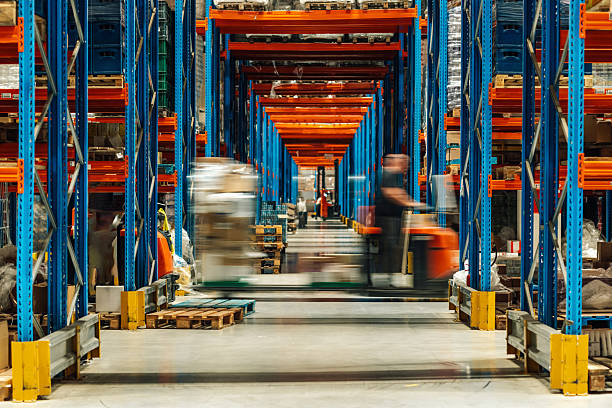
If your business depends on imports, then choosing a warehouse close to seaport in Lagos is one of the most important logistics decisions you can make. The goal is simple: move cargo from Apapa Port or Tin Can Island Port → warehouse → distribution with the least delay and cost.
Lagos ports handle the majority of Nigeria’s import traffic, so warehouse proximity directly affects:
- Demurrage charges
- Truck haulage cost
- Cargo clearance speed
- Risk of delays or damage
- Overall supply chain efficiency
Best Areas for Warehouse Close to Seaport Lagos
1. Apapa Industrial Zone (Closest to Ports)
This is the closest warehouse location to both Apapa Port and Tin Can Port.
Best for:
- Container storage after clearance
- High-volume FMCG imports
- Bulk cargo handling
- Short-term warehousing
Advantages:
- 5–15 minutes from port gates (off-peak)
- Fast container evacuation
- Direct access to port terminals
Challenge:
- Very high traffic congestion and truck delays
2. Tin Can Island / Coconut / Creek Road Axis
This corridor sits between Apapa and Tin Can and is one of the most strategic middle zones.
Best for:
- Importers using both ports
- Electronics, machinery, and appliances
- Distribution hubs serving mainland Lagos
Advantages:
- Balanced access to both Apapa & Tin Can
- Better movement than deep Apapa core
- Good for palletized storage and redistribution
3. Kirikiri Industrial Estate
A major warehousing hub near Apapa.
Best for:
- Food imports
- Long-term storage
- Freight forwarders
- Bonded and non-bonded cargo
Advantages:
- More secure industrial environment
- Easier truck access than Apapa core
- Strong logistics infrastructure
4. Mile 2 / Amuwo Odofin Axis
Not inside the port, but extremely popular for import logistics.
Best for:
- FMCG distribution
- Medium-scale warehousing
- Cost-efficient storage
Advantages:
- Less congestion than Apapa
- Good expressway access
- Cheaper rent than port core zones
Warehouse Price Near Seaport Lagos
Warehouse cost increases the closer you get to Apapa/Tin Can.
Typical range:
- Apapa core: ₦40,000 – ₦80,000+ per sqm/year
- Tin Can / Coconut axis: ₦35,000 – ₦70,000 per sqm/year
- Kirikiri: ₦25,000 – ₦55,000 per sqm/year
- Mile 2 / Amuwo Odofin: ₦20,000 – ₦45,000 per sqm/year
In practice, businesses often accept higher rent near the port because they save more on transport delays and truck movement costs.
What Makes a Good Warehouse Near the Seaport?
When selecting a warehouse close to Apapa or Tin Can, check:
- Truck access for 40ft containers
- Loading bay or dock levelers
- Security (CCTV + gated compound)
- Fire safety systems
- Proximity to alternative routes (avoid single-road dependency)
- Flood-free access roads
- Storage height and racking capacity
A bad location near the port can still become expensive if trucks are stuck in traffic for hours.
Who Uses Warehouses Near Lagos Ports?
- Importers (containers from China, Europe, US)
- Clearing agents and freight forwarders
- FMCG distributors
- Auto parts and machinery importers
- Wholesale traders and logistics companies
Why Businesses Still Choose Port-Adjacent Warehouses
Even with high cost and congestion, they remain essential because they:
- Reduce container demurrage risk
- Speed up clearance-to-storage movement
- Improve supply chain turnaround time
- Support high-volume import operations
For many businesses, time saved is more valuable than rent saved.
How Travo.ng Supports Port-Area Warehousing
Travo.ng helps businesses by:
- Connecting them to verified warehouses near Apapa and Tin Can
- Coordinating cargo pickup from port terminals
- Managing fleet dispatch for container movement
- Supporting importers with distribution planning
- Reducing delays in port-to-warehouse logistics flow
The goal is simple: move cargo out of the port faster and distribute it efficiently across Lagos and Nigeria.
