


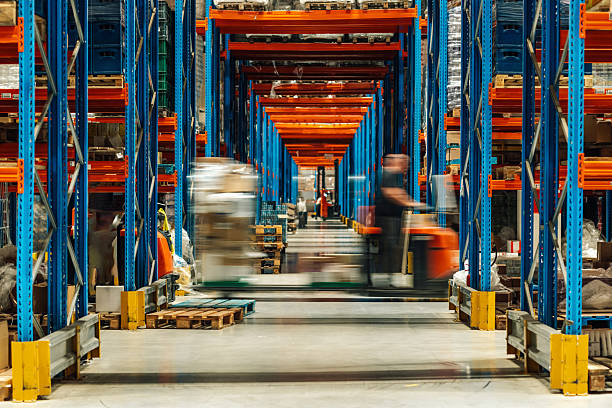
A racked warehouse for rent in Lagos is a logistics facility designed with installed pallet racking systems, allowing businesses to store goods vertically and systematically instead of stacking items randomly on the floor. In real Lagos operations—especially FMCG distribution, import storage, and e-commerce fulfillment—this type of warehouse is what enables speed, accuracy, and space efficiency.
Unlike empty warehouses where you must install your own storage systems, a racked warehouse already comes with steel shelving, pallet racks, forklift access lanes, and organized aisles, making it ready for structured logistics work from day one.
Travo.ng helps businesses secure racked warehouse spaces in Lagos and supports full cargo movement—from Apapa and Tin Can ports into storage, and then into distribution networks across Nigeria.
What a Racked Warehouse Actually Means in Lagos Logistics
A racked warehouse is built around one core idea: maximize space and speed of retrieval.
It typically includes:
- Heavy-duty steel pallet racks
- Multi-level vertical storage systems
- Forklift-access aisles
- Palletized inventory handling zones
- Clear SKU-based organization systems
- Loading bays for fast truck turnaround
In practice, goods are stored on pallets and placed on racks instead of being stacked randomly on the floor.
This structure is widely used in modern logistics operations and distribution centers where inventory control is critical .
Why Racked Warehouses Are in High Demand in Lagos
Lagos is not a “slow storage” market—it is a high-speed distribution environment.
Businesses use racked warehouses because:
- Import cargo from Apapa and Tin Can must be sorted quickly
- FMCG products require fast picking and dispatch
- E-commerce orders depend on accurate inventory retrieval
- Space is expensive, so vertical storage reduces cost per pallet
- Large-volume goods need structured tracking
In Lagos, if your warehouse is not organized, your delivery system becomes slow and expensive.
How a Racked Warehouse Works in Real Operations
1. Goods Arrival
Cargo arrives from:
- Ports (Apapa / Tin Can Island)
- Local suppliers or manufacturers
2. Palletization
Goods are grouped into pallets for easy movement.
3. Rack Storage
Forklifts place pallets onto:
- Low-level racks (fast-moving goods)
- High-level racks (slow-moving stock)
This improves space utilization and inventory control.
4. Inventory Tracking
Each rack position is tracked using:
- SKU systems
- Barcode or digital inventory tools
5. Picking & Dispatch
When orders come in:
- Forklifts retrieve pallets
- Goods are packed and loaded into trucks
- Distribution begins immediately
Real Example of Racked Warehouses in Lagos
Some Lagos logistics facilities already come fully equipped with pallet racking systems and handling infrastructure.
For example, a secure warehouse facility in Ikate Lekki comes pre-installed with racks and pallet systems, designed for immediate logistics use without additional setup costs .
Another example is mechanized warehouse operations in Lagos that include:
- Palletized storage systems
- Forklift-assisted movement
- Loading bays for truck operations
- Inventory visibility systems
These setups are increasingly common in modern Lagos logistics hubs.
Where Racked Warehouses Are Common in Lagos
Ikeja Industrial Axis (Oregun, Ogba, Airport Road)
- Strong FMCG and distribution activity
- Close to airport cargo terminals
- Ideal for structured pallet storage operations
Apapa / Mile 2 / Amuwo-Odofin Axis
- Port-driven logistics environment
- High-volume import cargo handling
- Fast turnover warehouse operations
Oshodi / Isolo Industrial Belt
- Balanced cost and accessibility
- Heavy FMCG distribution activity
- Strong interstate dispatch networks
Lekki / Ajah Corridor
- Growing e-commerce logistics zone
- Modern warehouses with racking systems
- Less congestion, better road access
Industries That Use Racked Warehouses in Lagos
FMCG Companies
- Soft drinks, packaged foods, household goods
Importers and Clearing Agents
- Containerized cargo storage after port clearance
E-commerce Platforms
- Fast picking and order fulfillment
Manufacturing Companies
- Raw material and finished goods storage
Wholesale Distributors
- Large-scale inventory management
Cost of Racked Warehouse for Rent in Lagos
Pricing depends on location, rack system quality, and warehouse size:
- Small racked warehouses: ₦5M – ₦15M per year
- Mid-size logistics warehouses: ₦15M – ₦50M per year
- Large industrial distribution warehouses: ₦50M – ₦200M+ per year
- Premium zones (Ikeja, Apapa): ₦35,000 – ₦70,000 per sqm annually
Warehouses with installed racking systems usually cost more because they reduce setup time and increase operational efficiency.
Common Challenges in Racked Warehouse Operations
Even though they are efficient, Lagos businesses still deal with:
- High equipment dependency (forklifts, pallets)
- Need for trained warehouse staff
- Power supply issues for mechanized systems
- Limited availability of fully racked facilities
- Higher rental costs in prime logistics zones
Why Racked Warehousing Improves Lagos Logistics Performance
Compared to open-floor warehouses, racked systems:
- Increase storage capacity without expanding land
- Reduce time spent locating goods
- Improve inventory accuracy
- Speed up loading and dispatch
- Reduce product damage from improper stacking
In Lagos logistics, speed and organization directly affect profit margins.
How Travo.ng Supports Racked Warehouse Logistics in Lagos
Travo.ng helps businesses by:
- Connecting them with verified racked warehouse facilities in Lagos
- Coordinating cargo movement from ports into structured storage
- Supporting fleet dispatch for FMCG and bulk distribution
- Helping businesses optimize warehouse-to-delivery operations
- Ensuring smooth supply chain flow across Nigeria
The focus is not just storage—it is organized movement of goods from arrival to final delivery.
