


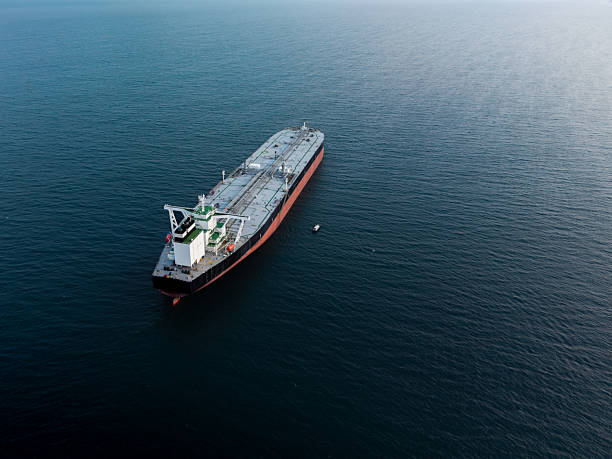
Shipping bottlenecks in Nigeria can increase the time and cost required to move imported and exported goods. A shipment may arrive at the port on schedule but still experience delays because of congestion, documentation problems, customs procedures, limited vessel capacity, truck availability or difficulties moving containers from the terminal to their final destination.
The issue is particularly important for businesses using Lagos ports. Recent industry reporting put average cargo dwell time around 18–21 days at Apapa and Tin Can, while the government has been working toward reducing average dwell time to seven days. (Punch Newspapers)
What Are the Main Shipping Bottlenecks in Nigeria?
Shipping bottlenecks can occur at different stages of the cargo journey.
Port congestion: High cargo volumes can put pressure on terminals, storage yards, roads and cargo-handling operations.
Vessel delays: Limited vessel availability or schedule changes can affect when imports and exports are loaded or discharged.
Customs clearance: Documentation, classification, inspection and other clearance requirements can extend the time cargo remains at the port.
Truck shortages and congestion: Even when cargo has been cleared, insufficient trucks or congestion around port access roads can delay evacuation.
Empty-container returns: Delays in returning empty containers can keep trucks occupied and contribute to congestion around port corridors.
Lagos Port Congestion
Lagos remains a major centre for Nigeria’s maritime trade, making the Apapa and Tin Can corridors particularly important to importers and exporters.
In July 2026, the Nigerian Shippers’ Council intervened after about 1,000 export containers were reported stranded at APM Terminals in Lagos amid vessel shortages and congestion. The containers included shipments destined for other African markets and the Far East. (The Guardian Nigeria)
This illustrates how a bottleneck affecting vessel schedules can extend beyond imports to Nigerian exporters waiting to get their goods onto ships.
Customs and Documentation Delays
A shipment can also be delayed when documentation is incomplete, inconsistent or requires additional clarification.
Importers should prepare applicable documents before cargo arrives rather than waiting until the container is already at the terminal. Commercial invoices, packing lists, bills of lading and other required documents should contain accurate and consistent information.
Correct product classification is also important because customs procedures and applicable charges depend partly on how goods are classified.
The Trucking Problem
Port efficiency depends heavily on what happens outside the terminal.
Nigeria’s ports remain highly dependent on road transportation for cargo evacuation. A 2026 report noted that trucks carry more than 90% of cargo freight from Nigerian ports, while rail and inland-waterway connections remain underutilised. (The Guardian Nigeria)
This creates a potential bottleneck when large numbers of trucks need to use the same port corridors.
For importers, the result can be longer waiting times, higher haulage costs and difficulty predicting when cargo will reach the warehouse.
Demurrage and Storage Costs
One of the biggest concerns for businesses is the financial impact of delays.
When containers remain at terminals beyond their applicable free period, importers may face storage or demurrage charges. Additional delays can also increase haulage, handling and financing costs.
These expenses can change the landed cost of imported products and make it harder for businesses to maintain their planned selling prices.
This is why importers should monitor cargo status closely and arrange clearance and transportation as early as practical.
Shipping Bottlenecks and Nigerian Exporters
Bottlenecks do not affect only importers.
Exporters need predictable access to vessels, containers and port facilities. Delays can cause agricultural products, manufactured goods and other exports to miss planned sailing schedules.
In July 2026, reports of roughly 1,000 export containers waiting at a Lagos terminal highlighted how vessel shortages and congestion can interfere with export schedules. (The Nation)
For time-sensitive products, a missed sailing can have consequences beyond transportation because buyers may be waiting for the shipment to arrive.
How Nigeria Is Addressing Port Bottlenecks
Port modernisation and digitalisation are among the measures being pursued to improve cargo movement.
The Nigerian Ports Authority reported that total cargo throughput increased from approximately 103.6 million metric tonnes in 2024 to more than 129.3 million tonnes in 2025, while container traffic also increased. The authority has linked ongoing modernisation and digital reforms with efforts to improve operational efficiency. (Nigerian Ports Authority)
The National Single Window initiative is also intended to bring trade-related processes into a more integrated digital environment, potentially reducing duplicated procedures and improving information sharing.
Infrastructure projects are another part of the response. In March 2026, MSC signed a long-term concession agreement related to the development of a dedicated container terminal at Snake Island Port, with a planned deep-sea vessel-capable quay and barge facilities. (Reuters)
How Importers Can Reduce Shipping Delays
Businesses cannot control every port bottleneck, but they can improve their own preparation.
Before shipping, an importer should:
- Confirm supplier and shipping schedules
- Prepare customs documentation early
- Check applicable import requirements
- Monitor vessel arrival information
- Work with experienced clearing professionals
- Arrange trucks before cargo is ready for evacuation
- Understand terminal and shipping-line free periods
- Budget for possible storage and demurrage
- Maintain communication with suppliers and logistics providers
- Have alternative delivery arrangements where practical
The objective is to prevent a delay in one part of the process from creating additional delays elsewhere.
How Travo.ng Can Help With Shipping Logistics
Travo.ng can support businesses with cargo transportation and logistics coordination after goods enter Nigeria.
This can include arranging movement from port areas to warehouses or other destinations, coordinating transportation requirements and planning deliveries around cargo availability.
For importers dealing with port bottlenecks, having the inland transportation side organised in advance can help reduce additional waiting once cargo is cleared.
Planning Around Nigeria’s Shipping Bottlenecks
Shipping bottlenecks are not always predictable, so businesses should build realistic timelines into their import and export plans.
A shipment should not be planned solely around the advertised sailing time. Businesses also need to consider vessel schedules, port handling, customs clearance, truck availability, inland transportation and possible storage periods.
For Nigerian importers and exporters, better shipping planning means looking at the entire cargo journey rather than treating the port as an isolated part of the supply chain. This approach can make delivery timelines more realistic and help businesses manage the financial impact of unexpected delays.
