


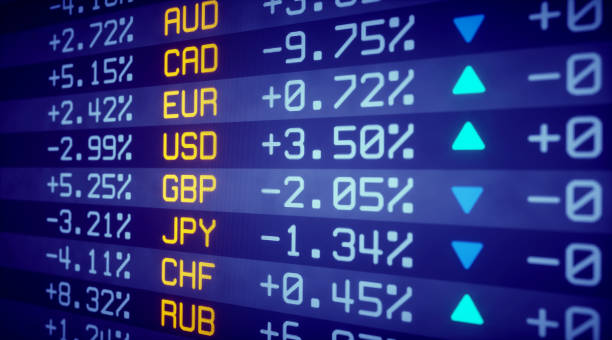
Currency fluctuations can have a major effect on the cost and profitability of an import business. When a Nigerian importer purchases goods from an overseas supplier, the transaction may be priced in US dollars, Chinese yuan, euros, pounds or another foreign currency, while the business ultimately sells the goods in naira.
If the exchange rate changes between the time an order is planned and the time payment is made, the naira cost of the shipment can change significantly.
For Nigerian importers, this makes exchange-rate planning an important part of calculating product costs and setting selling prices.
How Currency Fluctuations Affect Importers
Suppose a Nigerian business orders goods worth $20,000 from a supplier.
If the business calculates its budget using an exchange rate of ₦1,500 to $1, the expected product cost is ₦30 million. If the rate moves to ₦1,600 before the payment is completed, the same $20,000 purchase would require ₦32 million.
The supplier has not increased the dollar price, but the importer’s naira cost has increased by ₦2 million.
This difference can reduce the expected profit if the importer has already agreed on a selling price.
Exchange Rates and Import Duty
Currency movements can also affect the cost of clearing imported goods.
The Central Bank of Nigeria previously directed that, from February 26, 2024, the closing FX rate on the date of opening Form M would be used for import-duty assessment and remain applicable through termination and clearance of the importation. This was introduced to reduce uncertainty around changing daily rates for import-duty calculations. (Central Bank of Nigeria)
Importers should therefore distinguish between the exchange rate used for paying a supplier and the rate or methodology applicable to customs assessment.
Why Importers Need a Landed Cost Calculation
Looking only at the supplier’s price can give a misleading picture of profitability.
A more useful calculation includes:
- Supplier price
- Exchange rate
- International freight
- Insurance where applicable
- Customs duties and other charges
- Port and handling costs
- Local transportation
- Warehousing
- Other transaction costs
For example, a product that appears profitable at a particular exchange rate may become much less attractive after the naira cost of the foreign currency increases.
Pricing Products During FX Volatility
Importers need to think carefully about how they price goods when exchange rates are changing.
If a retailer sells existing stock based on today’s replacement cost, the selling price may need to account for what it will cost to purchase the next batch rather than only what the current stock originally cost.
Businesses should also avoid changing prices without understanding their actual landed cost. Accurate records of the exchange rate, purchase price and other expenses make it easier to calculate a sustainable selling price.
Currency Risk in China-Nigeria Imports
Businesses importing from China may negotiate prices in US dollars or yuan depending on the supplier and transaction.
A change in the naira’s value can therefore affect the amount the Nigerian buyer needs to provide for the same order.
This becomes more important when there is a long gap between placing an order, making payment, manufacturing the goods and shipping them to Nigeria.
Importers should calculate their exposure before confirming large purchases rather than assuming that the exchange rate will remain unchanged.
Managing Currency Risk
Businesses can reduce their exposure by improving their planning and avoiding unnecessary delays.
Practical steps include:
- Confirm the currency and payment terms before ordering.
- Obtain an up-to-date FX rate when preparing the import budget.
- Calculate the landed cost before committing to the purchase.
- Allow a reasonable contingency for exchange-rate movements.
- Avoid holding a fixed selling price for too long when replacement costs are changing rapidly.
- Keep accurate records of the exchange rate used for each shipment.
- Coordinate payment, freight and procurement timelines carefully.
Businesses with significant foreign-currency exposure may also discuss appropriate risk-management or hedging arrangements with qualified financial professionals.
How Travo.ng Can Help With Import Logistics
Travo.ng can support the logistics side of an import transaction by helping businesses coordinate freight, cargo movement, delivery arrangements and related transportation requirements.
When planning an overseas purchase, logistics costs should be considered alongside the foreign-currency cost of the goods. This gives the importer a clearer picture of the expected landed cost before shipment.
For businesses importing regularly, keeping procurement, freight and delivery planning connected can also make it easier to review the profitability of each shipment.
Plan for the Replacement Cost
Currency fluctuations are particularly important for businesses that depend on imported inventory.
The cost of replacing today’s stock may be different from the cost originally paid for it. If an importer ignores this difference, sales can appear profitable while the business struggles to afford its next shipment.
A better approach is to monitor foreign-currency costs, update landed-cost calculations and review pricing as market conditions change.
For Nigerian import businesses, exchange-rate risk should therefore be treated as part of normal procurement and supply-chain planning rather than as an issue that only matters when the naira moves sharply.
