


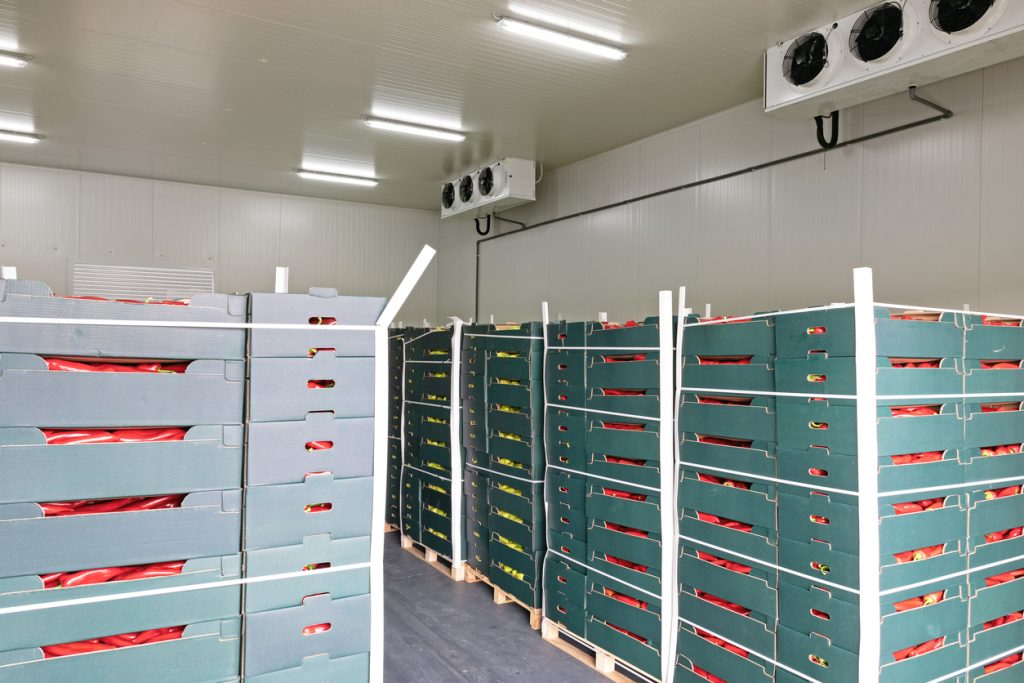
A cold storage warehouse for rent in Lagos is a specialized logistics facility designed for goods that must stay within controlled temperatures to remain safe and usable. Unlike normal warehouses, cold storage units maintain chilled or frozen conditions for products like food, pharmaceuticals, seafood, dairy, and chemicals.
In Lagos, demand for cold storage is rising fast because of the growth in FMCG distribution, frozen food importation through Apapa and Tin Can Island ports, and the expansion of food supply chains across mainland and island markets.
Travo.ng helps businesses secure cold storage warehouse solutions in Lagos while also coordinating refrigerated transport, cargo movement from port to storage, and distribution across retail and wholesale networks.
What a Cold Storage Warehouse Actually Does in Lagos Logistics
A cold storage warehouse is not just a “cool room”—it is a controlled logistics system.
It handles:
- Frozen food storage (fish, poultry, meat products)
- Chilled dairy and beverages
- Pharmaceutical and vaccine storage
- Perishable agricultural goods
- Temperature-sensitive imports
Depending on the setup, cold storage facilities in Lagos operate between:
- Chilled storage (0°C to 8°C)
- Frozen storage (-18°C and below)
Why Cold Storage Warehouses Are Critical in Lagos
Lagos is Nigeria’s main import gateway, and a large percentage of temperature-sensitive goods enter through its ports.
Cold storage is important because:
- Imported frozen foods must remain within regulated temperature ranges
- FMCG distributors need bulk chilled storage before retail distribution
- Pharmacies and hospitals require safe medical storage
- Food businesses depend on consistent supply chains
- Power and transport delays require backup temperature systems
Without cold storage, large portions of perishable cargo would be lost within hours.
Where Cold Storage Warehouses Are Located in Lagos
Cold storage facilities are spread across key logistics and commercial zones:
Ikeja Industrial Axis (Oregun, Ogba, Acme Road)
This is one of the most active cold storage zones.
- Close to FMCG distributors
- Easy access to airport and mainland markets
- Strong logistics infrastructure
Example: a 400 sqm cold room in Ikeja is listed around ₦20,000 per sqm monthly depending on specification and cooling capacity
You also find specialized cold storage facilities like:
- HVAC & R Professionals (Ogba axis)
- DeKoolar cold storage systems (Ifako-Ijaiye area)
- Unique Foods cold room operations in Ikeja
Apapa / Mile 2 / Amuwo-Odofin Axis
- Closest to ports (Tin Can & Apapa)
- Ideal for imported frozen goods
- Used for fast clearance-to-storage movement
This area is critical for seafood, meat, and frozen food importers.
Surulere / Ebute Metta / Yaba Axis
- Central distribution access
- Good for food wholesalers and retailers
- Supports quick dispatch to Lagos mainland
Examples include cold storage facilities like Holy Coldroom in Ebute Metta and other smaller temperature-controlled units across the axis.
Lekki / Ajah Axis
- Growing demand for modern food distribution
- Supports supermarkets and hospitality supply chains
- Less congestion for delivery trucks
Types of Cold Storage Warehouses in Lagos
1. Frozen Storage Warehouses
- Deep freeze conditions (-18°C and below)
- Used for meat, fish, poultry, and ice cream
2. Chilled Storage Warehouses
- 0°C to 8°C range
- Used for dairy, beverages, and fresh produce
3. Pharmaceutical Cold Rooms
- Strict temperature monitoring
- Used for vaccines and medicines
4. Multi-Temperature Warehouses
- Separate zones for frozen and chilled goods
- Used by large FMCG distributors
Real Cost of Cold Storage Warehouse for Rent in Lagos
Cold storage is more expensive than standard warehousing because of power and equipment costs.
Typical pricing:
- Small cold rooms: ₦10,000 – ₦30,000 per sqm monthly
- Medium facilities: ₦5M – ₦20M per year depending on usage scale
- Large industrial cold storage: custom pricing based on capacity and duration
Additional costs may include:
- Electricity and generator fuel
- Maintenance of cooling systems
- Handling and packaging fees
- Temperature monitoring services
Challenges of Cold Storage Warehousing in Lagos
Cold storage is essential—but operationally demanding:
- High electricity consumption and generator dependence
- Equipment maintenance costs
- Limited availability of large facilities
- Strict temperature compliance requirements
- Higher rental cost compared to standard warehouses
Any disruption in power supply can lead to major product loss.
Industries That Depend on Cold Storage in Lagos
FMCG and Frozen Food Importers
- Meat, fish, poultry distribution
- Supermarket supply chains
Pharmaceutical Companies
- Vaccine and drug storage
- Temperature-sensitive medical products
Hospitality Industry
- Hotels and restaurants
- Bulk food storage
Retail and Wholesale Distributors
- Large-scale cold product distribution
Agricultural Supply Chains
- Perishable produce preservation
Why Cold Storage Is Growing Rapidly in Lagos
Demand is increasing due to:
- Rising frozen food imports
- Expansion of supermarket chains
- Growth in food delivery and retail sectors
- Increased pharmaceutical logistics needs
- Urban population growth and food consumption
Cold storage is now a core part of Lagos supply chains—not a niche service.
How Travo.ng Supports Cold Storage Logistics in Lagos
Travo.ng helps businesses by:
- Connecting them with verified cold storage facilities in Lagos
- Coordinating refrigerated cargo movement from ports
- Supporting FMCG and food distribution logistics
- Managing delivery flow from storage to retail points
- Ensuring temperature-sensitive goods are handled properly across the supply chain
The goal is not just storage—it is preserving product quality through the entire logistics journey.
