


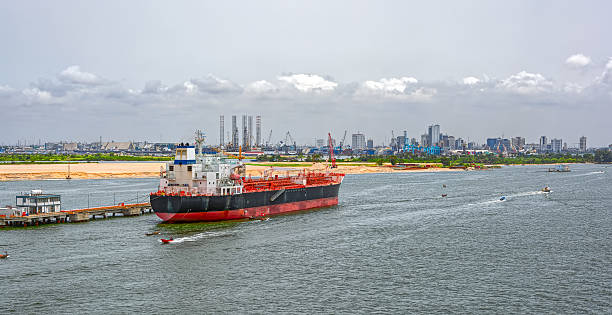
Bulk commodity transport in Nigeria is the system that keeps major industries running—from agriculture and mining to manufacturing and construction. It involves moving large quantities of raw or semi-processed goods such as grains, cement, petroleum products, fertilizers, and industrial materials across cities, ports, and regional distribution hubs.
Unlike standard cargo delivery, bulk transport is about volume, weight, and continuous supply flow. A single delay in movement can affect entire supply chains, especially in sectors that depend on daily production and nationwide distribution.
Travo.ng supports bulk commodity transport in Nigeria by coordinating large-scale logistics operations for businesses that move high-volume goods across interstate and industrial routes.
What Bulk Commodity Transport Means in Nigeria
Bulk commodity transport refers to the movement of unpackaged or large-volume goods that are usually transported in:
- Tankers
- Open bulk trucks
- Tipper trucks
- Grain carriers
- Container bulk shipments
These goods are typically measured in tons rather than individual units.
Common bulk commodities include:
- Cement and building materials
- Rice, maize, and other grains
- Fertilizers and agricultural inputs
- Crude oil derivatives and petroleum products
- Sand, gravel, and stones
- Industrial raw materials
- Chemicals for manufacturing
Why Bulk Transport Is Critical to Nigeria’s Economy
Nigeria’s economy depends heavily on bulk movement because most industries operate at scale.
For example:
- Construction companies need constant cement and sand supply
- Food distributors rely on grain movement from farms to cities
- Fuel distribution depends on large-volume tanker logistics
- Manufacturers require raw material flow to maintain production
Without bulk transport, production lines and supply chains would stop almost immediately.
How Bulk Commodity Transport Works in Nigeria
Bulk logistics is structured around high-capacity movement and coordinated scheduling.
1. Commodity Sourcing
Goods are sourced from:
- Farms (agriculture)
- Ports (imports)
- Factories (manufacturing)
- Depots (fuel and chemicals)
2. Loading Process
Depending on commodity type:
- Grain is loaded using conveyor systems
- Cement and sand are loaded via tipper trucks
- Liquids are pumped into tankers
- Containers are lifted using cranes
3. Transportation
Goods are moved using specialized trucks designed for heavy loads and long-distance travel.
4. Distribution
Upon arrival, commodities are:
- Delivered to warehouses
- Distributed to retailers
- Supplied to factories or construction sites
Major Bulk Transport Routes in Nigeria
Bulk commodity movement follows Nigeria’s key industrial and trade corridors:
- Lagos to Abuja (construction and retail supply chain)
- Lagos to Kano (agricultural and manufactured goods distribution)
- Port Harcourt to Lagos (fuel and industrial commodities)
- Lagos to Ibadan (fast-moving consumer and bulk goods)
- Kano to southern Nigeria (grain and agricultural distribution)
- Onne Port to inland states (imported bulk materials)
These routes support national trade and industrial stability.
Types of Bulk Commodity Transport Services
1. Agricultural Bulk Transport
Used for:
- Rice
- Maize
- Beans
- Fertilizers
2. Construction Bulk Transport
Used for:
- Cement
- Sand
- Gravel
- Stone aggregates
3. Petroleum Bulk Transport
Used for:
- Petrol
- Diesel
- Kerosene
- Industrial fuels
4. Industrial Raw Material Transport
Used for:
- Chemicals
- Metals
- Manufacturing inputs
5. Import/Export Bulk Logistics
Used for:
- Containerized bulk goods
- Port-to-inland distribution
Challenges of Bulk Commodity Transport in Nigeria
Bulk logistics faces several operational challenges:
1. Road Infrastructure
Heavy trucks often struggle with:
- Poor road surfaces
- Bridge weight limits
- Traffic congestion
2. Fuel Cost Fluctuations
Transportation cost changes affect pricing and scheduling.
3. Loading Delays
Bulk handling requires equipment and time, especially at ports and depots.
4. Weather Conditions
Rain affects:
- Road safety
- Loading efficiency
- Delivery timelines
5. Security Risks
High-value commodities require careful monitoring during transit.
Cost of Bulk Commodity Transport in Nigeria
Pricing depends heavily on volume and logistics complexity.
Key factors include:
- Weight and tonnage of goods
- Distance between pickup and delivery
- Truck type required
- Loading and offloading systems
- Fuel cost and road conditions
- Urgency of delivery
Typical estimates:
- Short-distance bulk transport: ₦50,000 – ₦200,000 per load
- Interstate bulk haulage: ₦200,000 – ₦800,000+
- Large industrial or port-based bulk logistics: ₦1,000,000+ depending on scale
Long-term contracts often reduce per-trip costs significantly.
Industries That Depend on Bulk Commodity Transport
Construction Industry
- Cement supply
- Sand and gravel distribution
Agriculture Sector
- Grain distribution from farms
- Fertilizer supply chains
Oil and Gas Industry
- Fuel distribution
- Industrial energy supply
Manufacturing Sector
- Raw materials for production
- Factory supply logistics
Trade and Import Businesses
- Port clearance and inland distribution
- Wholesale commodity movement
Why Bulk Transport Requires Professional Coordination
Bulk logistics is not just about trucks—it is about system efficiency.
Poor coordination can lead to:
- Supply chain disruptions
- Production downtime
- Financial losses
- Delivery delays across regions
Proper planning ensures:
- Continuous supply flow
- Reduced downtime
- Efficient distribution networks
Bulk Transport vs Standard Cargo Delivery
Bulk Transport
- Large volume goods
- Measured in tons
- Specialized trucks required
- Industrial-scale logistics
Standard Cargo Delivery
- Smaller packaged goods
- Retail and commercial shipments
- Regular trucks or vans
Bulk transport is designed for scale, not individual shipments.
Reliable Bulk Commodity Transport in Nigeria
Efficient bulk logistics depends on:
- Proper scheduling
- Vehicle availability
- Route optimization
- Cargo handling systems
- Experienced operators
Travo.ng provides bulk commodity transport in Nigeria, supporting agriculture, construction, industrial, and fuel distribution logistics with coordinated, large-scale delivery solutions designed for real Nigerian supply chain demands.
Meta Title:
