


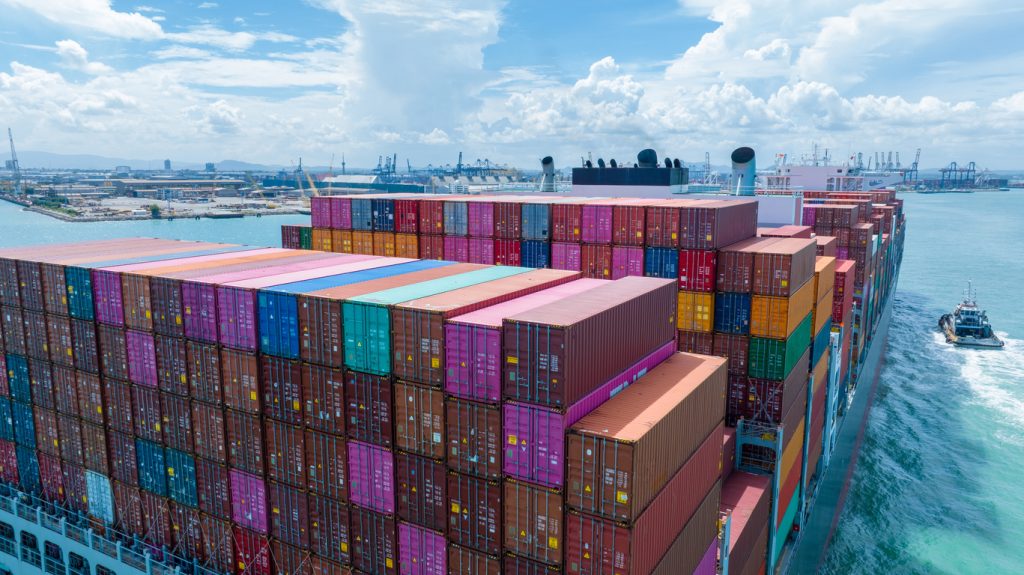
Onne Port has become one of the most important cargo and industrial logistics hubs in Nigeria, especially for oil and gas operations, containerized cargo, project equipment, and large-scale commercial shipments entering or leaving the South-South region.
For many businesses, cargo movement through Onne is not just about shipping containers. It involves customs coordination, inland transportation, storage planning, haulage scheduling, security considerations, and delivery timing across multiple Nigerian states.
Companies that underestimate the operational realities around Onne Port often face avoidable delays, storage charges, cargo congestion problems, and expensive logistics disruptions.
Whether you are moving imported equipment, commercial goods, industrial materials, or containerized shipments, understanding how Onne Port cargo logistics works can help you plan more effectively and reduce operational risks.
Travo.ng supports cargo coordination, interstate logistics movement, transport arrangements, and delivery support for businesses handling shipments connected to Onne Port and other commercial routes across Nigeria.
Why Onne Port Handles So Much Industrial Cargo
Unlike some ports that focus heavily on general commercial imports, Onne Port plays a major role in industrial and energy-sector logistics.
A large portion of cargo moving through the port includes:
- Oil and gas equipment
- Offshore support materials
- Industrial machinery
- Heavy-duty tools
- Construction equipment
- Engineering materials
- Containerized imports
- Project cargo
- Commercial goods for distribution
Businesses operating in Port Harcourt, Warri, Aba, Lagos, and Abuja often coordinate cargo movement directly from Onne because of the port’s strategic role in industrial supply operations.
The port is especially important for companies handling large-scale projects that require coordinated logistics support beyond ordinary cargo transportation.
What Usually Delays Cargo Movement Around Onne
Many businesses assume cargo delays happen only at the port itself, but several surrounding operational issues can affect delivery timelines.
Common delay factors include:
- Port clearance bottlenecks
- Documentation issues
- Truck scheduling delays
- Heavy-duty vehicle congestion
- Rainfall and road conditions
- Container processing queues
- Security checkpoints
- Delayed customs coordination
Road movement between Onne, Eleme, Port Harcourt, and interstate delivery corridors can also become difficult during peak industrial operations.
Businesses moving time-sensitive cargo usually plan transportation schedules carefully to avoid extended waiting periods and demurrage-related costs.
Why Truck Coordination Matters More Than Most People Expect
One major challenge around Onne Port logistics is truck availability and scheduling.
For container and bulk cargo movement, businesses often require:
- Flatbed trucks
- Container carriers
- Low-bed trailers
- Heavy-duty haulage vehicles
- Dedicated interstate cargo transport
Poor truck coordination can lead to:
- Delayed cargo evacuation
- Additional port storage charges
- Delivery rescheduling
- Increased operational costs
Companies handling industrial cargo usually arrange transportation before cargo clearance is completed to reduce waiting time once goods are released.
Travo.ng helps coordinate cargo transportation and delivery logistics based on shipment size, route requirements, and business timelines.
Interstate Cargo Movement From Onne Requires Careful Planning
A large percentage of cargo arriving through Onne does not remain within Rivers State.
Many shipments move toward:
- Lagos
- Abuja
- Aba
- Owerri
- Warri
- Benin City
- Kano
- Kaduna
Interstate cargo logistics becomes more complicated when handling:
- Heavy equipment
- Fragile industrial materials
- High-value cargo
- Bulk commercial inventory
- Multi-location deliveries
Businesses moving goods across Nigeria often combine haulage coordination with warehousing and scheduled delivery planning to improve efficiency.
The Real Cost Factors Behind Onne Port Cargo Logistics
Many customers focus only on transportation fees, but actual logistics costs usually involve several components.
These may include:
- Port handling charges
- Container movement costs
- Truck hire
- Cargo handling
- Storage fees
- Documentation processing
- Customs-related expenses
- Interstate transportation
- Offloading coordination
Typical cargo movement costs vary depending on:
- Cargo size
- Container type
- Distance
- Delivery urgency
- Vehicle requirements
- Cargo category
Heavy-duty project cargo and industrial equipment movement often cost significantly more because of escort requirements, specialized vehicles, and route restrictions.
Why Businesses Prefer Structured Logistics Coordination
As cargo operations become larger, businesses usually move away from informal transport arrangements.
Structured logistics coordination helps businesses:
- Reduce delays
- Improve cargo tracking
- Manage delivery scheduling
- Reduce handling risks
- Improve operational planning
- Coordinate multiple shipments more efficiently
This is especially important for:
- Manufacturing companies
- Oil servicing firms
- Construction companies
- Engineering contractors
- Large distributors
- Import businesses
For recurring cargo movement, organized logistics planning often saves more money than repeatedly arranging transport at the last minute.
Cargo Security Is a Major Concern Around Industrial Routes
Businesses handling high-value shipments through Onne often pay close attention to cargo security during movement.
This becomes especially important for:
- Electronics
- Industrial equipment
- Sensitive machinery
- Oil servicing tools
- Commercial inventory
Common security precautions include:
- Route coordination
- Scheduled dispatch timing
- Proper cargo documentation
- Controlled loading supervision
- Secure delivery verification
Businesses transporting valuable cargo usually avoid poorly coordinated loading environments that increase handling risks.
Weather Conditions Can Affect Cargo Operations
Heavy rainfall in Rivers State can affect cargo movement more than many customers anticipate.
During rainy periods:
- Truck movement slows down
- Road access conditions worsen
- Loading operations may delay
- Cargo protection becomes more important
Businesses handling sensitive goods typically improve waterproof packaging and schedule movement earlier during heavy rainfall periods.
For industrial equipment and electronics especially, proper packaging and covered transportation become essential.
Why Many Companies Combine Warehousing With Cargo Logistics
Some businesses moving cargo through Onne prefer temporary storage solutions before final delivery.
This helps when:
- Deliveries need phased distribution
- Multiple delivery locations are involved
- Customers are not ready for immediate offloading
- Cargo requires inventory sorting
- Interstate scheduling needs adjustment
Warehousing coordination also reduces pressure during busy operational periods when direct delivery scheduling becomes difficult.
Travo.ng supports logistics coordination that may include cargo movement planning, transport support, delivery scheduling, and business logistics assistance depending on shipment requirements.
Door-to-Door Cargo Coordination Reduces Operational Stress
For many businesses, direct delivery coordination saves significant time.
Door-to-door logistics support becomes especially useful for:
- Office equipment
- Industrial supplies
- Hotel inventory
- Commercial stock movement
- Construction materials
- Business relocation cargo
It also reduces:
- Multiple loading transfers
- Cargo handling risks
- Delivery confusion
- Pickup coordination stress
Businesses handling recurring deliveries usually prefer direct logistics coordination to maintain operational consistency.
Successful Onne Port Logistics Requires More Than Transportation Alone
Cargo logistics around Onne Port involves much more than moving goods from the port to another city. Successful operations depend heavily on planning, timing, transportation coordination, handling quality, documentation, and delivery management.
Whether you are moving industrial equipment, commercial cargo, imported goods, or interstate shipments, organized logistics coordination helps reduce delays and improve operational efficiency.
For businesses looking for dependable Onne Port cargo logistics support, Travo.ng provides practical cargo coordination and transport solutions designed around real Nigerian logistics and delivery conditions.
