


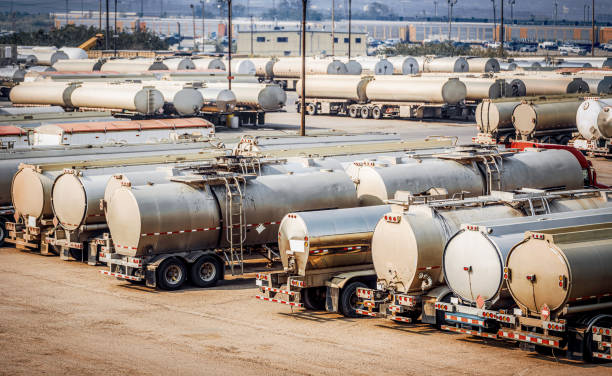
Fuel logistics is more than moving diesel or petrol from one location to another. Businesses need to know how much fuel they require, when it should arrive, where it needs to go and how the delivery will affect their operations.
Smart fuel logistics brings better planning, tracking and coordination into the fuel supply process. For businesses in Nigeria, this can make regular fuel procurement easier to manage and reduce avoidable delays.
What Smart Fuel Logistics Involves
A smart fuel logistics process can include:
- Planning fuel requirements in advance
- Scheduling deliveries around business operations
- Monitoring fuel consumption
- Coordinating delivery vehicles
- Keeping accurate delivery records
- Managing bulk and recurring orders
- Responding to urgent fuel requirements
The exact approach depends on the size and type of business.
Smart Diesel Delivery for Businesses
Businesses that depend on diesel generators can use consumption records to plan when their next delivery is required.
Offices, hotels, hospitals, factories, estates and warehouses can monitor generator running hours and litres consumed. This information helps them estimate future requirements instead of ordering fuel based purely on guesswork.
Fuel Logistics for Fleets
Transport and logistics companies have additional fuel management needs because vehicles are constantly moving between locations.
Fleet managers can coordinate fuel supply around depots, operating sites and scheduled routes. Keeping records of fuel issued to vehicles can also help businesses compare consumption between vehicles and assignments.
Bulk Fuel Delivery Planning
Bulk orders require more planning than small fuel purchases. The receiving location must have sufficient storage capacity, while the delivery schedule needs to account for access, traffic and operational requirements.
Businesses should compare the total delivered cost, required quantity, delivery timeframe and applicable supplier terms before confirming a bulk order.
Using Data to Prevent Fuel Shortages
Fuel consumption records can help businesses identify when their stock is likely to become low.
For example, a facility that records average daily diesel consumption can estimate how many operating days remain before replenishment becomes necessary. This gives management more time to arrange another delivery and reduces dependence on emergency orders.
Emergency Fuel Logistics
Even with good planning, unexpected situations can occur. Extended power outages, increased production or an unexpected change in fleet activity can increase fuel consumption.
Emergency delivery can provide an additional option when available stock becomes insufficient. Delivery timing will depend on location, order size, supplier availability and road conditions.
How Travo.ng Can Support Smart Fuel Logistics
Travo.ng can coordinate eligible fuel delivery and transportation logistics for businesses that need fuel moved to their operating locations.
Businesses can provide their location, fuel type, quantity and preferred delivery schedule so the appropriate supply and transportation arrangements can be confirmed.
This can support scheduled, bulk and urgent fuel requirements for commercial facilities, fleets, construction sites, estates and other business operations.
Making Fuel Management More Efficient
Smart fuel logistics starts with simple information. Businesses should know how much fuel they normally consume, how much storage space is available and when replenishment is required.
Combining this information with planned delivery schedules can make fuel procurement more predictable and help businesses keep their generators, vehicles and equipment operating without unnecessary fuel-related interruptions.
