


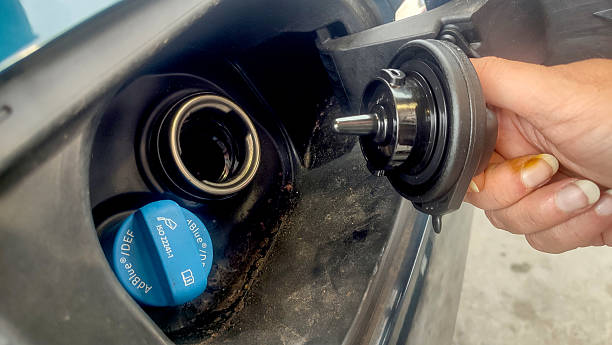
Fuel consumption tracking helps businesses know exactly how much fuel their vehicles, generators, boats, or other equipment are using. For companies operating fleets across Lagos, Abuja, Port Harcourt and other Nigerian cities, tracking fuel usage can make it easier to control costs and identify unusual consumption.
Instead of relying only on fuel receipts or drivers’ reports, businesses can compare fuel purchases with kilometres travelled, routes completed, vehicle performance and delivery schedules.
How fuel consumption tracking works
A basic fuel consumption tracking system records details such as:
- Fuel purchased and the amount paid
- Litres added to each vehicle
- Vehicle mileage before and after refuelling
- Distance travelled
- Driver or vehicle assigned to the trip
- Fuel consumed over a specific period
- Fuel consumption per kilometre
For example, if a delivery vehicle travels from Lagos to Ibadan and back, the company can compare the distance covered with the litres used. Repeating this over several trips creates a useful consumption history for that vehicle.
Why Nigerian fleet operators need fuel tracking
Fuel is one of the biggest running expenses for many transport and logistics businesses. Traffic congestion can also make fuel consumption difficult to predict, especially on busy Lagos routes.
Fuel consumption tracking can help businesses notice when a vehicle suddenly starts using more fuel than usual. This may point to poor maintenance, excessive idling, difficult routes, overloading or inaccurate fuel records.
For businesses handling deliveries between Lagos, Ibadan, Abuja, Benin City, Port Harcourt and other locations, this information can improve fuel budgeting and trip planning.
Tracking fuel consumption across multiple vehicles
Businesses with several vehicles should record fuel information separately for each vehicle instead of keeping one general fuel figure.
A simple fleet record can show the vehicle number, date, litres purchased, mileage, route and driver. Over time, managers can compare vehicles operating under similar conditions and investigate unusual differences.
This is particularly useful for courier companies, staff transportation, interstate logistics operators and businesses that make frequent deliveries.
Fuel consumption tracking for logistics operations
Fuel tracking becomes more useful when combined with proper trip planning. A delivery company can estimate fuel requirements before a journey and compare the estimate with actual consumption afterwards.
For example, a vehicle leaving Lagos for a delivery in Abeokuta may encounter traffic, multiple stops or additional deliveries. Recording these factors helps explain why the actual fuel consumption differs from the original estimate.
Businesses using Travo.ng for travel and logistics coordination can also plan transportation requirements around routes, schedules and delivery needs, helping them organise movement more efficiently.
What can cause high fuel consumption?
Higher-than-normal fuel usage does not always mean fuel is being lost. Common causes include:
- Heavy traffic and prolonged idling
- Poor tyre pressure
- Engine or injector problems
- Overloading
- Frequent short-distance trips
- Aggressive driving
- Poor route planning
- Long waiting periods during deliveries
- Air-conditioning use
- Road conditions
Tracking consumption over several trips makes it easier to separate normal changes from patterns that require attention.
Making fuel tracking part of fleet management
Fuel consumption tracking works best when it becomes part of the normal fleet management process. Drivers should record refuelling information consistently, while managers should review the figures regularly.
Businesses can then use the records to prepare more accurate fuel budgets, schedule vehicle maintenance and understand the real operating cost of different routes.
For companies moving people, parcels or cargo around Nigeria, combining fuel records with reliable transport and logistics planning can provide a clearer picture of overall trip costs.
