


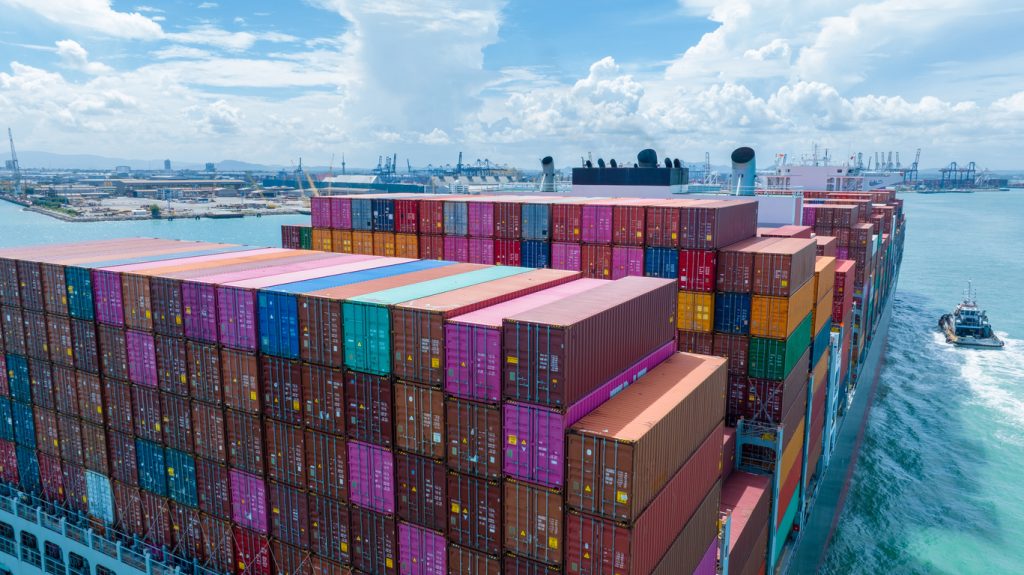
Wet bulk cargo transport in Nigeria refers to the movement of liquid-based goods such as petroleum products, chemicals, industrial liquids, edible oils, and other non-solid materials. Unlike containerized cargo, wet bulk requires specialized tanks, strict safety handling, and tightly controlled logistics processes.
Most of these shipments are coordinated through major logistics and port hubs like Apapa Port Complex and nearby oil and industrial terminals in Lagos, where liquid cargo is discharged, stored, and redistributed across Nigeria.
Because of the sensitive nature of liquids, even a small delay or handling mistake can lead to contamination, loss, or regulatory issues.
What Wet Bulk Cargo Transport Actually Means
Wet bulk cargo transport is the movement of liquids in large volumes without packaging them into containers or boxes.
In practical terms, it includes:
- Transportation of petroleum products (diesel, petrol, kerosene)
- Movement of industrial chemicals and solvents
- Bulk edible liquids such as vegetable oil
- Water and liquid raw materials for factories
- Petrochemical supply chain movement
These goods are transported in specialized tankers designed to handle liquids safely.
Why Wet Bulk Logistics Is Critical in Nigeria
Wet bulk transport is essential because:
- Nigeria’s energy sector depends on liquid fuel distribution
- Manufacturing industries require chemical inputs
- Food production relies on bulk edible oils
- Power and construction industries depend on fuel supply
- Distribution must be continuous to avoid shortages
Any disruption in wet bulk movement can affect multiple sectors at once.
Where Wet Bulk Cargo Operations Begin in Nigeria
Most wet bulk logistics starts from:
- Apapa Port Complex
- Petroleum depots and tank farms in Lagos and surrounding areas
- Industrial storage facilities and refinery distribution points
From these locations, products are distributed across Nigeria’s regions via tanker trucks and pipelines (where available).
How Wet Bulk Cargo Transport Works in Practice
A typical wet bulk logistics process includes:
- Arrival of liquid cargo at port or depot
- Storage in approved tanks or terminals
- Quality testing and compliance checks
- Loading into specialized tanker trucks
- Sealing and safety inspection
- Road transport to distribution points
- Offloading into storage tanks or industrial facilities
- Final distribution to end users
Every stage must follow strict safety and regulatory standards.
Types of Wet Bulk Cargo Transported in Nigeria
Wet bulk logistics covers several categories:
Petroleum Products:
- Petrol (PMS)
- Diesel (AGO)
- Kerosene (DPK)
Industrial Chemicals:
- Solvents
- Acids and chemical solutions
- Manufacturing liquids
Food-Grade Liquids:
- Vegetable oil
- Syrups and liquid food inputs
Other Liquids:
- Water supply logistics for industrial use
- Liquid raw materials for production
Real Challenges in Wet Bulk Cargo Transport in Nigeria
Wet bulk logistics faces serious operational challenges such as:
- Safety and spill risk during transport
- Poor road conditions affecting tanker stability
- Fuel theft and product diversion risks
- High regulatory compliance requirements
- Traffic congestion in Lagos industrial routes
- Limited availability of certified tanker operators
These challenges require strict coordination and monitoring.
Why Safety and Timing Are Critical
In wet bulk logistics:
- Delays can disrupt fuel supply chains
- Poor handling can cause contamination or loss
- Late delivery affects industrial production
- Storage limitations require fast distribution
- Market shortages can occur quickly
Timing and safety are equally important in every movement.
Common Mistakes in Wet Bulk Transport
Many operational issues come from:
- Using unverified tanker operators
- Poor sealing and product security control
- Lack of route planning and monitoring
- Ignoring regulatory compliance standards
- Overloading or incorrect tanker use
These mistakes increase risk and financial loss.
Who Needs Wet Bulk Cargo Transport in Nigeria
This service is essential for:
- Oil and gas companies
- Fuel distributors and depots
- Manufacturing industries
- Food processing companies
- Chemical production companies
- Large-scale industrial operators
Any business dealing with liquid bulk materials depends on it.
How Efficient Wet Bulk Logistics Should Work
A reliable system depends on:
- Certified tanker trucks and operators
- Proper loading and sealing procedures
- Real-time tracking of cargo movement
- Compliance with safety regulations
- Coordinated depot-to-destination planning
- Emergency response and backup systems
Without structure, wet bulk transport becomes high-risk.
How Travo.ng Supports Wet Bulk Cargo Transport in Nigeria
Travo.ng provides structured logistics coordination for wet bulk cargo movement across Nigeria, focusing on safety, efficiency, and controlled delivery.
Support typically includes:
- Wet bulk cargo coordination from Apapa Port Complex
- Tanker truck arrangement for liquid cargo transport
- Industrial and depot delivery coordination
- Route planning for safe interstate movement
- Real-time tracking and logistics updates
- Safety-focused handling and documentation support
- Backup logistics for delays or operational issues
The goal is to ensure liquid cargo moves safely, efficiently, and without disruption.
For businesses in Nigeria, this means reduced risk, improved supply stability, and better operational control across the liquid supply chain.
