


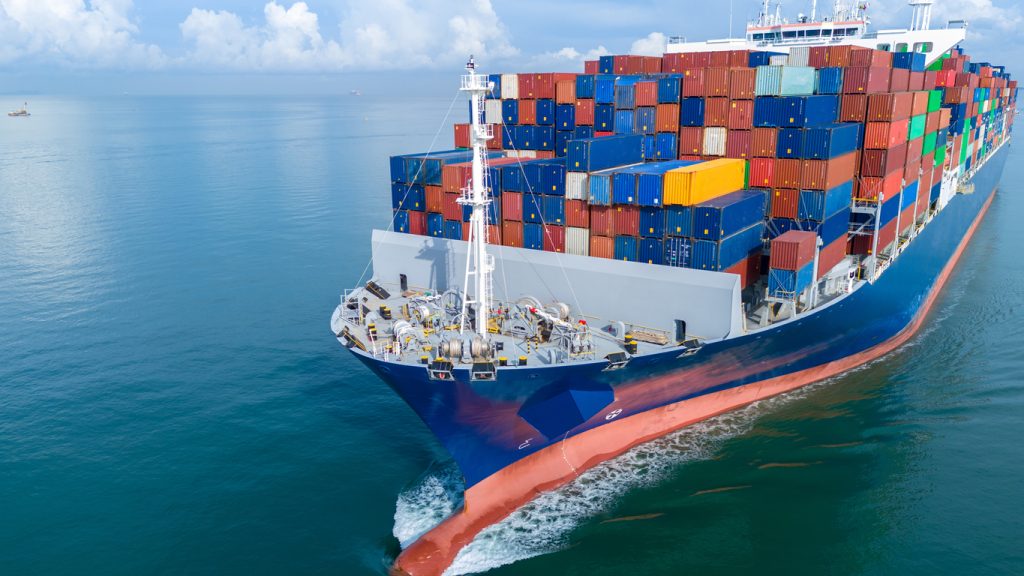
Export cargo handling services in Nigeria are what make it possible for local businesses, farmers, manufacturers, and traders to send goods out of the country in a structured, compliant, and time-sensitive way. It is not just about shipping—it is about preparing cargo properly, meeting international requirements, and ensuring goods actually leave Nigeria without being stuck at the port.
Most export operations pass through key logistics hubs like Apapa Port Complex and Tin Can Island Port, where cargo is inspected, documented, and processed before being loaded onto vessels heading to Europe, Asia, and other global destinations.
For exporters, the biggest challenge is not finding buyers—it is getting cargo cleared, handled, and shipped correctly on time.
What Export Cargo Handling Services Actually Means
Export cargo handling refers to the full physical and administrative process of preparing goods for international shipment.
In practical terms, it includes:
- Cargo packaging and export preparation
- Documentation and export declaration processing
- Inspection and compliance checks
- Port entry and terminal handling
- Container stuffing and sealing
- Customs approval for export release
- Loading cargo onto vessels or aircraft
It is the operational backbone of international trade.
Why Export Handling Is Important in Nigeria
Export logistics matters because:
- Nigeria exports agricultural and industrial goods globally
- International buyers require strict documentation compliance
- Delays can lead to contract cancellation or penalties
- Perishable goods need fast processing
- Exchange rates make timely export financially important
Without proper handling, even good-quality products can fail to reach buyers.
Where Export Cargo Operations Begin in Nigeria
Most export shipments are coordinated through Lagos due to infrastructure and port access:
- Apapa Port Complex
- Tin Can Island Port
- Export processing warehouses across Lagos mainland and industrial zones
From here, goods are shipped to international destinations via sea or air freight.
Step-by-Step Export Cargo Handling Process
A proper export operation typically follows this flow:
- Cargo collection from farm, factory, or warehouse
- Export documentation preparation
- Regulatory inspection and compliance checks
- Cargo transportation to port terminal
- Container stuffing and sealing
- Customs export approval
- Port handling and vessel scheduling
- Shipment departure to destination country
Each stage must be completed correctly to avoid rejection or delay.
Real Challenges in Export Cargo Handling in Nigeria
Exporters often face operational challenges such as:
- Documentation errors causing clearance delays
- Port congestion at Apapa and Tin Can terminals
- Limited access to export-approved warehouses
- High handling and storage costs
- Inspection delays for agricultural goods
- Coordination gaps between agents and transporters
These issues can affect delivery timelines and buyer confidence.
Why Timing Is Critical in Export Logistics
In export operations, timing directly affects profitability:
- Buyers expect strict delivery schedules
- Delays can cause contract penalties
- Perishable goods lose value quickly
- Shipping schedules are fixed and unforgiving
- Storage delays increase operational costs
Fast and accurate handling is essential for success.
Common Mistakes Exporters Make
Many export delays happen due to avoidable errors such as:
- Poor or incomplete export documentation
- Late cargo delivery to port
- Wrong packaging for international shipping standards
- Using uncoordinated clearing and forwarding agents
- Missing shipping deadlines
- Ignoring inspection requirements
These mistakes often lead to shipment rejection or delays.
Who Needs Export Cargo Handling Services in Nigeria
This service is essential for:
- Agricultural exporters (cocoa, sesame, cashew, etc.)
- Manufacturing companies exporting finished goods
- Oil and gas service suppliers
- FMCG and packaged goods exporters
- Trading companies handling international buyers
- Logistics and supply chain businesses
Any business exporting from Nigeria depends on it.
How Efficient Export Handling Should Work
A reliable export system depends on:
- Early documentation preparation before cargo arrival
- Proper packaging and labeling standards
- Fast coordination between warehouse and port teams
- Scheduled transport to avoid missed vessel deadlines
- Real-time communication with shipping lines
- Backup plans for inspection or delays
Without coordination, export shipments can easily miss sailing schedules.
How Travo.ng Supports Export Cargo Handling Services in Nigeria
Travo.ng provides structured export logistics coordination designed to ensure goods move smoothly from origin point to international shipping.
Support typically includes:
- Export cargo coordination at Apapa Port Complex and Tin Can Island Port
- Cargo pickup from farms, factories, and warehouses
- Export documentation and compliance support
- Container stuffing and sealing coordination
- Port handling and vessel scheduling assistance
- Inland transport to export terminals
- Real-time tracking and shipment updates
- Backup logistics for delays or inspection issues
The focus is on making export movement faster, compliant, and fully coordinated from origin to shipment.
For Nigerian exporters, this means fewer delays, better buyer satisfaction, and more reliable international trade operations.
