


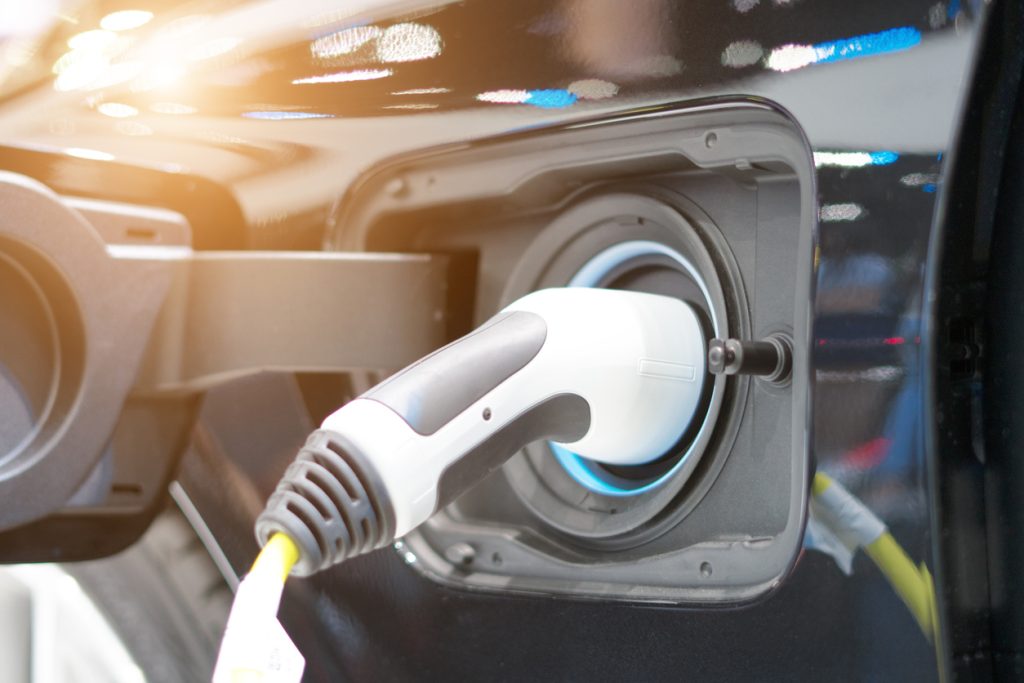
For Nigerian businesses running delivery vans, staff vehicles, ride-hailing cars or other high-mileage transport operations, fuel has become one of the hardest expenses to control. This is why EV fleet cost savings Nigeria is becoming a serious business consideration rather than simply an environmental discussion.
Electric vehicles will not automatically reduce costs for every company. The biggest savings usually appear where vehicles cover predictable daily distances, return to a central location and can be charged without relying heavily on expensive generator power.
For the right operation, however, the difference in running costs can be substantial.
Where EV Fleets Can Save the Most Money
Fuel is usually the first saving businesses notice.
A petrol vehicle consuming 10 litres per 100 kilometres would require 20 litres to cover 200 kilometres. At roughly ₦1,250–₦1,330 per litre in recent Nigerian operating-cost examples, that journey can cost around ₦25,000 or more in petrol alone.
Comparable EV operating models put electricity consumption around 16–17 kWh per 100 kilometres. Depending on the charging tariff, the electricity required for the same journey can cost considerably less. Recent Nigerian EV studies and operators have reported significantly lower energy costs per kilometre than petrol-powered vehicles.
Multiply that difference across 10, 20 or 50 vehicles travelling every working day and the savings begin to affect the company’s overall logistics budget.
Lagos Traffic Can Actually Suit Electric Vehicles
Stop-and-go traffic is frustrating for every fleet manager, but it does not affect electric vehicles in exactly the same way as petrol vehicles.
A delivery vehicle moving between Ikeja, Yaba, Surulere and Lagos Island may spend hours crawling through traffic while an internal-combustion engine continues consuming fuel. EVs can recover some energy through regenerative braking and generally avoid the same level of fuel wastage while idling.
This makes high-utilisation urban fleets particularly interesting candidates for electrification.
Businesses running courier services, corporate transportation, hotel transfers and scheduled city deliveries may therefore see better economics than companies whose vehicles spend most of their time parked.
Maintenance Can Produce Another Layer of Savings
Fuel is only part of the calculation.
Electric vehicles have fewer traditional drivetrain components requiring routine servicing. Fleet operators no longer have the same requirements for engine oil changes, spark plugs, exhaust-system repairs and several other combustion-engine maintenance items.
Research examining EV operating costs in Nigerian urban conditions also identifies lower routine maintenance requirements as an important potential saving.
For companies managing dozens of vehicles, reducing workshop visits can also improve vehicle availability. A vehicle that spends less time waiting for routine maintenance can spend more time completing deliveries or transporting customers.
Charging Strategy Determines the Real EV Fleet Cost Savings Nigeria Businesses Achieve
Buying EVs without planning charging infrastructure can quickly undermine the business case.
For example, repeatedly charging vehicles using petrol or diesel generators may eliminate much of the energy-cost advantage. Public fast charging may also cost more than scheduled depot charging.
A better setup is usually to determine:
- daily kilometres travelled by each vehicle;
- overnight parking location;
- electricity availability at the depot;
- charging time between shifts;
- number of chargers required; and
- backup arrangements during power interruptions.
Some Nigerian operators are already combining charging infrastructure with solar and battery storage because electricity reliability remains an important operational issue.
Start With the Vehicles That Work the Hardest
Businesses do not necessarily need to replace an entire fleet at once.
A more practical approach is to identify vehicles with predictable routes and high monthly fuel expenditure. A company could initially electrify five delivery vehicles operating within Lagos while retaining petrol vehicles for unpredictable interstate assignments.
After three to six months, management can compare electricity costs, kilometres travelled, maintenance expenses, downtime and driver productivity against similar petrol vehicles.
That gives the business its own Nigerian operating data before committing more capital.
Travo.ng can support businesses reviewing transport requirements through vehicle coordination, delivery services, corporate logistics support and other mobility solutions. For companies exploring electric fleet operations, the objective should not simply be purchasing EVs. It should be building a transport system where lower energy costs, sensible charging and efficient vehicle utilisation produce measurable savings month after month.
