


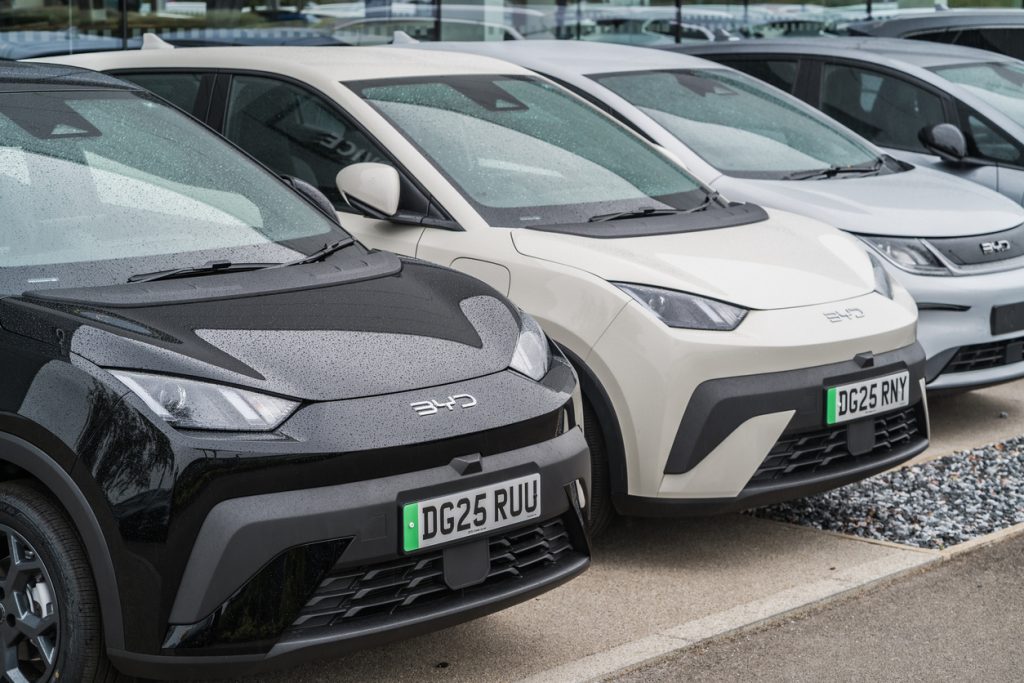
Interest in commercial electric vehicles in Nigeria is growing as businesses look for ways to reduce fuel spending, manage fleet costs and prepare for a transport market that is gradually moving beyond petrol and diesel.
For Nigerian companies, however, switching to electric vehicles is not simply about buying an EV. Fleet managers must think about charging access, driving distance, vehicle workload, maintenance support and where the vehicles will operate every day.
A delivery van working around Ikeja and Maryland has very different requirements from a truck travelling regularly between Lagos and Abuja. That operational difference should determine whether an electric vehicle makes financial sense.
Where Commercial Electric Vehicles Work Best in Nigeria
Electric vehicles are currently easier to integrate into operations where routes are predictable.
Businesses handling last-mile deliveries, staff transportation, warehouse movements or scheduled urban distribution can calculate approximately how many kilometres each vehicle covers daily. That makes charging easier to plan.
Commercial EVs may be practical for:
- E-commerce delivery fleets
- FMCG distribution within cities
- Courier and parcel operations
- Corporate staff transportation
- Airport transfer services
- Hotel and hospitality transport
- Warehouse-to-store deliveries
- Small business distribution fleets
A Lagos company operating vehicles mainly between Lekki, Victoria Island, Ikoyi and nearby mainland locations may find electrification easier than a fleet regularly covering unpredictable interstate routes.
Fuel Savings Are Only Part of the Calculation
Many businesses considering commercial electric vehicles in Nigeria focus immediately on petrol and diesel prices. Lower dependence on fuel can be attractive, especially for fleets where several vehicles operate every day.
But purchase price should not be considered alone.
A proper calculation should include the vehicle cost, expected daily mileage, charging equipment, electricity source, battery warranty, maintenance arrangements and how long the vehicle will remain in the fleet.
Downtime matters too. A vehicle that saves money on fuel but cannot complete its delivery schedule creates another operational cost.
Companies should therefore compare the total cost per kilometre against their existing petrol or diesel fleet rather than simply comparing vehicle prices.
Charging Has to Match the Daily Transport Schedule
Charging infrastructure remains one of the biggest practical considerations for Nigerian commercial EV operators.
A business with its own depot has an advantage. Vehicles can return to the same location every evening, charge overnight and resume deliveries the following morning.
Businesses dependent on public charging have less control.
Power availability also matters. Companies may need to combine grid electricity with solar systems, battery storage or another reliable energy arrangement. This is particularly important for fleets where vehicles cannot afford to miss morning dispatch because charging was interrupted overnight.
Start With Routes That Are Easy to Control
Businesses do not necessarily need to electrify an entire fleet at once.
A more practical approach is to identify two or three routes with predictable mileage and test electric vehicles there first.
For example, a distribution company could deploy an electric van for daily warehouse deliveries within Lagos while retaining conventional vehicles for longer interstate movement.
After several months, the company can compare charging costs, maintenance, kilometres travelled, downtime and driver feedback against its existing vehicles.
This gives management real operational data before expanding the fleet.
Transport Planning Becomes More Important With EV Fleets
Electric commercial vehicles require tighter route planning than many businesses are used to.
Dispatch teams need to know the expected distance, traffic conditions, payload and available charging time before assigning vehicles.
Heavy Lagos traffic can increase journey duration even when the actual distance is short. Interstate operations introduce additional considerations because reliable charging points may not always align with the intended route.
Travo.ng can support businesses with transport coordination, vehicle movement, delivery planning, cargo logistics and other business logistics requirements where fleet efficiency is important.
Building an Electric Commercial Fleet That Actually Works
The shift towards commercial electric vehicles in Nigeria will not happen at the same speed for every business.
A courier company completing fixed urban deliveries may adopt EVs sooner than a haulage company moving heavy cargo across several states.
The sensible starting point is operational data. Know how far your vehicles travel, what they carry, where they park overnight and how much downtime the business can tolerate.
Businesses that combine suitable vehicles with reliable charging and realistic route planning are more likely to achieve meaningful savings.
Travo.ng can also help companies coordinate deliveries, transport requirements and business logistics as they evaluate more efficient ways of moving people and goods across Nigeria.
