


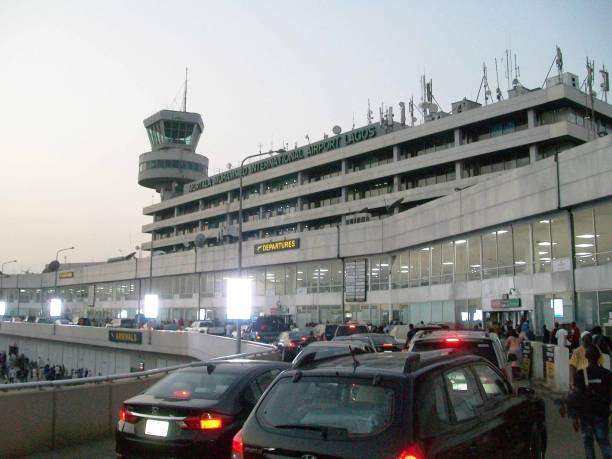
When people hear “presidential airport protocol in Lagos,” they often imagine a simple VIP pickup. In reality, arrivals at this level are highly structured movements involving timing control, protocol coordination, security alignment, and carefully managed transportation from the airport to official destinations.
Lagos is one of the most active entry points for high-level government and diplomatic movements in Nigeria. Whether it is a presidential visit, an international head-of-state delegation, or a top-tier government mission, airport operations must be handled with precision from the moment the aircraft lands at Murtala Muhammed International Airport.
At this level, there is no room for disorganization. Every minute is planned.
What Presidential-Level Airport Protocol Actually Means
Presidential airport protocol is not just transportation—it is coordinated national-level movement planning.
In practical terms, it includes:
- Pre-arrival coordination between protocol teams and airport authorities
- Controlled timing for aircraft landing and passenger disembarkation
- Structured movement from aircraft to arrival lounge
- Security-aligned passenger routing
- Executive convoy staging outside the terminal
- Controlled exit procedures from the airport environment
- Immediate transfer to official residence, venue, or meeting point
Everything is synchronized to ensure safety, timing accuracy, and uninterrupted movement.
Why Lagos Airport Requires Strict Protocol Coordination
Lagos is a high-traffic international hub, and airport movement can become complex quickly without planning.
Factors that influence presidential-level airport protocol include:
- High passenger volume at international terminals
- Simultaneous arrivals from multiple airlines
- Traffic conditions around airport access roads
- Security activity in surrounding areas
- Weather disruptions affecting flight timing
- Ongoing city movement toward Victoria Island and Ikoyi
Even minor delays can affect a tightly scheduled official program, especially when meetings with state officials, business leaders, or international partners are already fixed.
The Structure Behind High-Level Airport Arrivals
Presidential and top government arrivals typically follow a carefully controlled sequence:
- Pre-arrival briefing and movement confirmation
- Airport readiness coordination with protocol units
- Security positioning at designated airport zones
- Controlled aircraft arrival and disembarkation
- Structured passenger movement through approved routes
- Immediate transfer into secured vehicles
- Convoy movement to official destination
Each stage is coordinated to avoid disruption and maintain timing accuracy.
The Role of Protocol Teams at This Level
At presidential protocol level, airport coordination is handled by trained teams responsible for managing communication, timing, and movement flow.
Their responsibilities typically include:
- Coordinating arrival timing with airport authorities
- Managing VIP movement from aircraft to vehicle
- Ensuring security compliance during airport exit
- Aligning transport logistics with official schedules
- Communicating between airport and destination teams
- Managing contingency plans in case of delays
The goal is to ensure that the arrival process is smooth, controlled, and predictable.
Vehicle and Convoy Coordination for Presidential Arrivals
Transport arrangements for presidential protocol are not random—they are pre-assigned and staged before arrival.
Typical arrangements may include:
- Armored or executive SUVs for principal officials
- Escort vehicles for security coordination
- Support vehicles for protocol and staff teams
- Backup vehicles in case of operational changes
- Controlled convoy formation for movement efficiency
Vehicles are positioned before landing to ensure immediate departure upon exit from the airport.
Traffic Planning Between Lagos Airport and Key Destinations
One of the most important parts of presidential airport protocol is ground movement after arrival.
Routes from the airport to major government or diplomatic destinations—such as Ikoyi, Victoria Island, or official residences—must be carefully timed.
Traffic considerations include:
- Peak-hour congestion patterns
- Road closures or diversions
- Weather-related slowdowns
- Security-controlled movement corridors
- Event-related traffic disruptions in Lagos
A delay of even 20–30 minutes can affect an entire official schedule, so timing is tightly controlled.
Why Communication Is Critical in Presidential Airport Protocol
At this level, communication is constant and layered.
Teams must coordinate between:
- Airport protocol officers
- Security units
- Transport coordinators
- Government officials
- Destination advance teams
Even small miscommunication can lead to timing issues or convoy misalignment, which is why structured coordination systems are always used.
Common Risks When Protocol Is Not Properly Coordinated
Without structured airport protocol planning, several issues can arise:
- Delays in aircraft-to-vehicle transfer
- Misalignment between security and transport teams
- Congestion at airport exit points
- Uncontrolled movement through terminal areas
- Scheduling disruption for official engagements
- Increased pressure on ground coordination teams
This is why presidential airport movements are always pre-planned in detail.
How Travo.ng Supports High-Level Airport Protocol Coordination
Travo.ng provides structured airport assistance and transport coordination designed for executive and government-level movements in Lagos.
For presidential or high-level protocol operations, this can include:
- Pre-arrival coordination and scheduling support
- Executive airport pickup planning
- Vehicle and convoy arrangement
- Airport-to-destination transfer coordination
- Multi-team transport synchronization
- Backup logistics planning for delays or changes
The focus is on practical execution—ensuring arrivals are handled smoothly, without unnecessary delays or confusion, and in line with real operational conditions in Lagos.
Whether it involves diplomatic visits, state-level engagements, or high-profile official movements, the goal remains consistent: controlled, reliable, and professionally coordinated airport protocol operations.
