


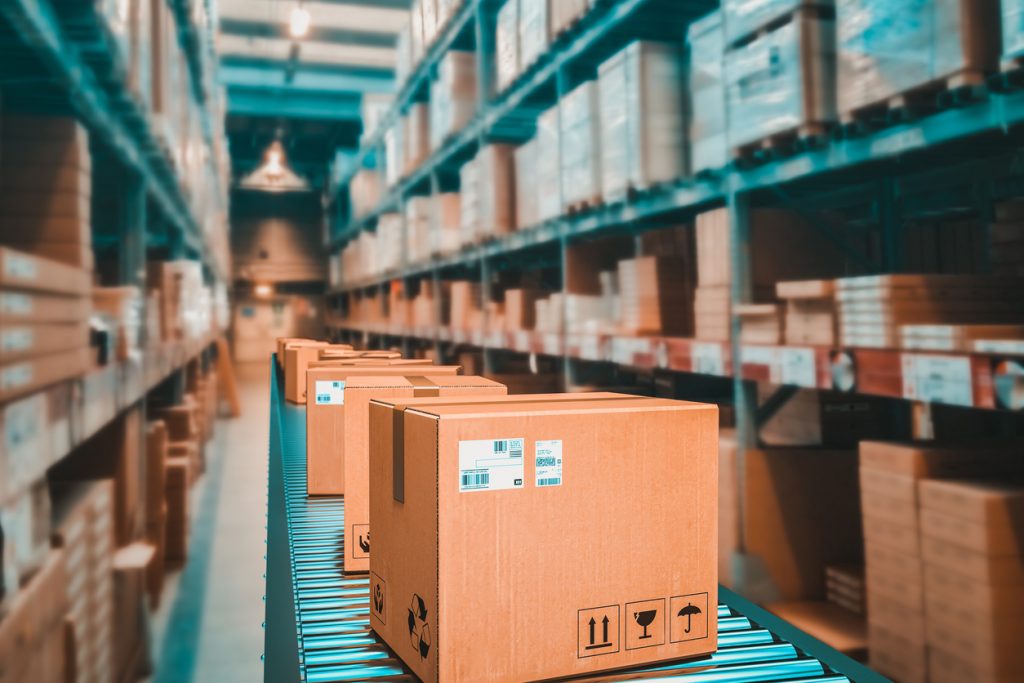
A China export warehouse can simplify the process for Kenyan businesses buying goods from multiple suppliers. Instead of shipping each order separately from China to Kenya, importers can have their purchases delivered to one warehouse where they are received, checked, stored and prepared for international shipping.
This is useful for retailers, wholesalers, online sellers and businesses sourcing products from Alibaba, 1688, Taobao, Yiwu markets and Chinese manufacturers.
How a China Export Warehouse Works
The process usually starts when your shipping provider gives you a warehouse address and customer reference in China.
- Place your orders: Chinese suppliers send your products to the warehouse using the correct receiving details.
- Receive the packages: Warehouse staff record incoming parcels and match them with your shipment information.
- Check the goods: Packages can be weighed, measured and inspected for obvious damage or discrepancies.
- Store the orders: Goods can remain in the warehouse while you wait for other suppliers to complete their deliveries.
- Consolidate the cargo: Multiple packages can be combined and repacked where appropriate.
- Prepare for export: The consolidated cargo is prepared for international transportation with the required documentation.
- Ship to Kenya: Goods can move by air or sea depending on the shipment size, urgency and budget.
Why Kenyan Importers Use Export Warehouses
Buying from several Chinese suppliers can create multiple packages and separate shipping arrangements. A central warehouse allows those orders to be brought together before export.
Consolidation can make cargo easier to track and may reduce the need for separate international shipments. However, savings depend on the weight, volume, packaging and freight method, so importers should compare the complete landed cost.
For sea freight, Mombasa is a major entry point for Kenyan imports, while air freight can be considered for smaller or urgent shipments.
Air Freight or Sea Freight?
Air freight is generally suitable for smaller, time-sensitive shipments where speed matters.
Sea freight is normally more suitable for bulky, heavy or larger commercial consignments. Importers with smaller volumes can also consider consolidated sea freight rather than booking an entire container.
The right option depends on your product type, cargo dimensions, urgency and budget.
What to Check Before Choosing a Warehouse
Before sending your suppliers the warehouse details, confirm:
- Warehouse receiving procedure
- Customer reference requirements
- Storage and handling charges
- Inspection and photography services
- Repacking and consolidation fees
- Weight and volume measurements
- Air and sea freight options
- Export documentation support
- Kenya customs arrangements
- Final delivery options
Clear pricing is important because additional warehouse, handling or destination charges can change your final import cost.
How Travo.ng Can Help
Travo.ng can help Kenyan importers coordinate China-to-Kenya shipping arrangements, including warehouse coordination, cargo consolidation and freight planning where applicable.
By bringing purchases from multiple suppliers together before export, businesses can have better visibility over their cargo and a more organised process for moving goods from China to Kenya.
For regular importers, a well-managed export warehouse can also provide a practical foundation for scaling stock purchases without creating unnecessary shipping complexity.
