


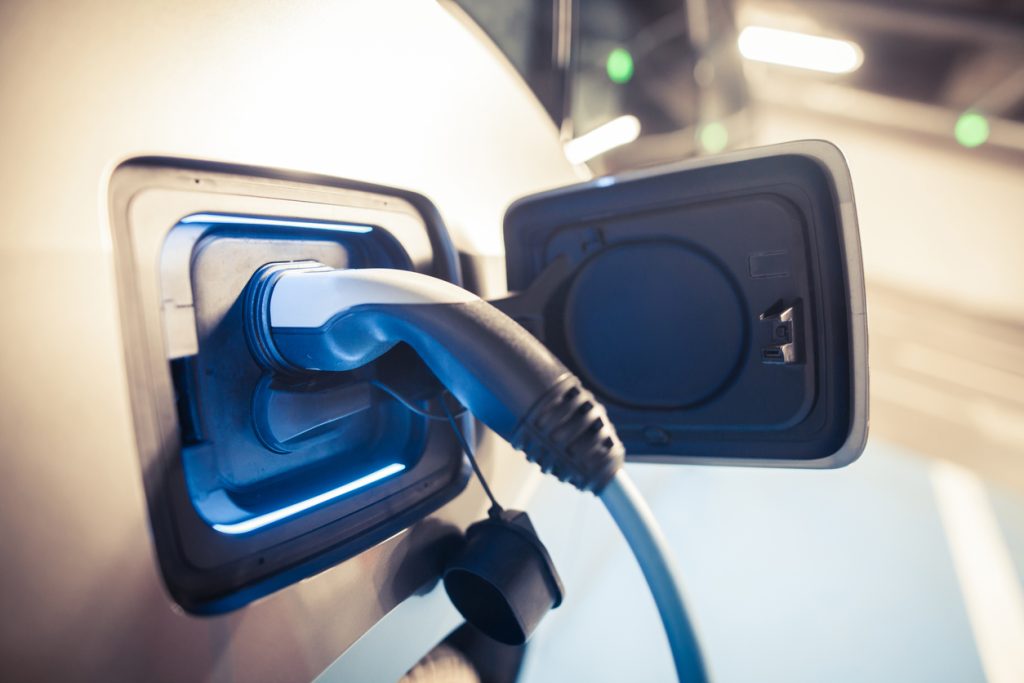
Electric vehicles are still developing as a mainstream transport option in Nigeria, but businesses that operate fleets, office complexes, hotels, estates and commercial facilities are already beginning to think about where those vehicles will charge.
Installing EV charging for business premises is different from simply buying a charger and connecting it to a wall. The available electricity supply, expected number of vehicles, parking arrangement and daily operating schedule all affect what type of charging setup makes practical sense.
For a Lagos office with two electric company cars, for example, overnight or workday charging may be enough. A logistics company planning to operate several electric delivery vehicles will need a more structured system because vehicles must be ready for dispatch at specific times.
Start With How Vehicles Actually Use the Premises
The first question should not be how many chargers to install. It should be how vehicles move through the property.
An office where staff vehicles remain parked from 8 a.m. until 5 p.m. has a long charging window. This means charging does not necessarily need to be extremely fast.
A delivery operation is different. Vehicles may return from routes around Ikeja, Lekki or Victoria Island and need to leave again within a few hours. Faster charging capacity and better scheduling may therefore be necessary.
Before installation, businesses should consider:
- Number of electric vehicles currently in use
- Expected fleet growth
- Average daily vehicle mileage
- How long vehicles remain parked
- Available electrical capacity
- Backup or renewable power arrangements
- Whether charging will be restricted to company vehicles or offered to customers
Planning around actual vehicle movement helps prevent unnecessary infrastructure spending.
Nigeria’s Power Situation Has to Be Part of the Plan
Reliable power is one of the biggest operational considerations when setting up commercial EV charging.
Simply installing several chargers does not guarantee that the site’s existing electrical system can comfortably support them alongside air conditioners, lifts, lighting, computers and other equipment.
Facilities using solar, battery storage or hybrid energy systems may have more flexibility, but the charging demand still needs to be properly calculated.
For businesses operating electric fleets, charging schedules can also reduce pressure on available power. Instead of every vehicle charging simultaneously, vehicles can be assigned different charging periods based on their next departure time.
Choosing Between Faster Charging and Lower Installation Costs
Not every business needs rapid charging.
A company vehicle parked at headquarters for six or eight hours can often use slower charging effectively. Faster chargers become more useful where vehicles have short turnaround periods or the charging station serves customers who cannot remain on-site for several hours.
The correct setup depends on operations rather than simply choosing the most powerful equipment available.
Businesses should also budget beyond the charger itself. Installation may involve electrical upgrades, cabling, protective equipment, parking modifications and ongoing maintenance.
A proper site assessment provides a more realistic cost estimate than purchasing charging equipment before checking the building’s electrical capacity.
EV Charging Can Support Commercial Fleet Operations
For companies considering electric delivery vans, staff vehicles or other fleet assets, charging infrastructure becomes part of transport planning.
A vehicle that is fully charged but unavailable when required can cause the same operational problem as a conventional vehicle without fuel.
Charging therefore needs to fit around dispatch schedules, route distances and vehicle availability.
Travo.ng supports businesses with transport coordination, fleet movement and wider business logistics planning. For organisations introducing electric vehicles, these services can complement charging infrastructure by helping coordinate how vehicles are deployed across daily operations.
Hotels, Offices and Retail Sites Have Different Needs
Commercial charging is not limited to logistics fleets.
Hotels may install chargers for guests who leave vehicles parked overnight. Shopping centres can provide charging while customers spend time on the premises. Residential estates and serviced apartments may need designated chargers for residents, while corporate offices can provide charging for company vehicles and employees.
Each setting has a different dwell time and usage pattern.
A hotel in Victoria Island, for instance, may prioritise overnight charging reliability. A busy commercial property in Lekki may need several shared charging bays with clear parking controls so completed vehicles do not block other users.
Plan for More Vehicles Than You Have Today
One common mistake is designing charging infrastructure around today’s fleet alone.
If a business currently operates two electric vehicles but expects to increase that number to eight within three years, the electrical and parking design should anticipate that growth where possible.
Installing additional cabling capacity during the original project can sometimes be easier than reopening finished parking areas later.
The same principle applies to transport operations. Businesses introducing electric vehicles should review charging, routes, driver schedules and fleet utilisation together rather than treating each as a separate issue.
Well-planned EV charging for business premises should make vehicle operations easier, not create another daily bottleneck. With realistic site planning and coordinated transport arrangements, Nigerian businesses can prepare their premises for electric mobility while keeping infrastructure aligned with actual operational needs.
