


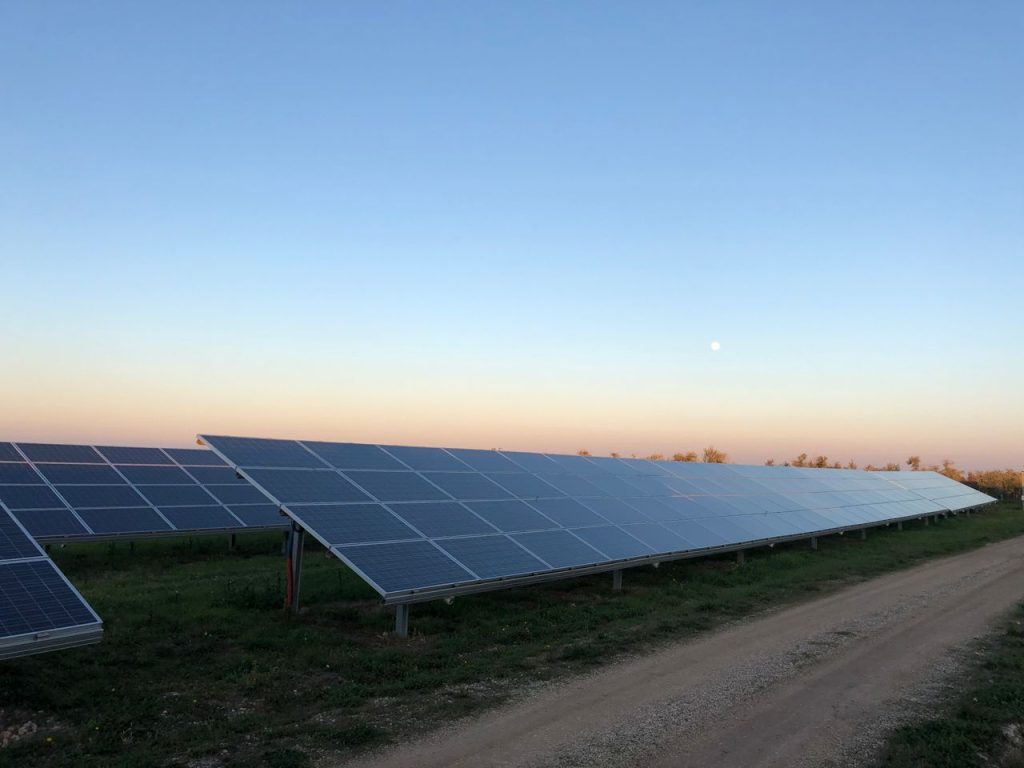
For many Nigerian businesses, the difficult part of switching to solar is not deciding whether solar makes sense. The real challenge is paying for a properly engineered system without taking a large amount of money out of working capital.
Solar EPC leasing in Nigeria offers another route. Instead of paying the entire cost of panels, batteries, inverters, installation and engineering upfront, a business can structure the project around agreed lease or energy-service payments.
This is particularly useful for factories, hotels, offices, warehouses, schools, farms and commercial properties that already spend heavily on diesel and unreliable grid electricity.
Travo.ng can support businesses looking for practical energy solutions by helping coordinate solar projects, equipment movement, procurement requirements and related logistics.
What Solar EPC Leasing Actually Covers
EPC means Engineering, Procurement and Construction. A proper EPC solar project involves much more than buying panels and placing them on a roof.
The process normally includes:
- Assessing the property’s electricity consumption
- Calculating daytime and nighttime loads
- Designing the solar and battery capacity
- Procuring panels, batteries, inverters and electrical components
- Transporting equipment to the project site
- Installing and commissioning the system
- Providing monitoring and maintenance arrangements
Under a leasing structure, the customer spreads the financial obligation rather than paying the complete project cost immediately.
Nigeria’s commercial solar market already uses ownership, leasing and service-based financing structures. Some arrangements involve fixed lease payments, while others charge customers based on electricity supplied through long-term energy agreements.
When Leasing Makes More Sense Than Buying Solar Outright
Consider a Lagos business that spends ₦2 million or more monthly across grid electricity, diesel, generator servicing and fuel-related downtime.
Even if a suitable solar installation could reduce those running expenses, purchasing the entire system outright may require capital the company would rather keep for inventory, salaries or expansion.
Solar leasing changes that calculation.
The business can compare its proposed monthly lease payment against what it currently spends generating electricity. The important question is not simply, “How much does the solar system cost?”
It is:
“What will our total monthly power cost become after the system is installed?”
This is why businesses should provide actual electricity bills, diesel consumption and generator operating hours before accepting a solar proposal.
Get the System Size Right Before Signing a Lease
Poor system sizing can turn a promising solar project into an expensive mistake.
A restaurant in Lekki will have a different load profile from a warehouse in Ikeja. A hotel may need electricity throughout the night, while an office complex may consume most of its power between 8 a.m. and 6 p.m.
Before agreeing to Solar EPC leasing in Nigeria, ask the provider to explain:
- Estimated daily electricity consumption
- Solar generation capacity
- Battery storage capacity
- Expected generator usage after installation
- Maintenance responsibilities
- Lease duration and payment structure
- Equipment ownership at the end of the contract
Some Nigerian providers offer lease-to-own arrangements, while other energy-service models allow customers to pay recurring fees without owning the equipment immediately.
Equipment Delivery Can Affect the Installation Schedule
Large commercial solar projects also involve serious logistics.
Panels may arrive through Lagos ports before being transported to warehouses or project locations. Batteries and inverters require careful handling, while mounting structures and electrical equipment may arrive from different suppliers.
A delayed component can hold up the entire installation.
Travo.ng can support this part of the project through cargo logistics, transport coordination, procurement support and delivery planning. For installations outside Lagos, equipment movement can also be coordinated to locations such as Abuja, Ibadan, Port Harcourt and other Nigerian cities.
Look Beyond the Monthly Lease Payment
The cheapest proposal is not automatically the best deal.
Businesses should compare equipment quality, expected generation, battery performance, maintenance coverage, contract escalation clauses and what happens when components fail.
Nigeria’s distributed renewable-energy market is attracting increasingly structured financing, including a $188 million facility launched in May 2026 to finance 191.33 MW of distributed solar projects. This reflects the growing role of financing in expanding access to commercial renewable energy.
For companies struggling with generator costs and inconsistent electricity supply, Solar EPC leasing in Nigeria can provide a practical route to better power without committing all project capital upfront.
With careful energy assessment, realistic financial modelling and properly coordinated equipment logistics, businesses can build a solar arrangement that supports both reliable electricity and healthier cash flow.
