


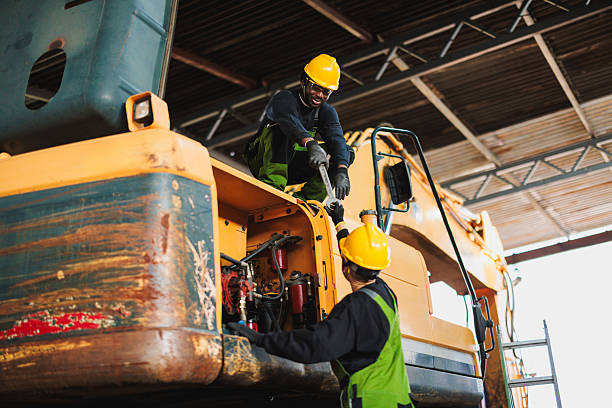
Equipment inspection mechanics play an important role in checking the condition, safety and reliability of machinery used in construction, logistics, manufacturing, agriculture and other industries. They inspect equipment, identify mechanical faults, recommend repairs and help prevent unexpected breakdowns.
Equipment inspection mechanic jobs are suitable for mechanics, mechanical technicians, heavy equipment technicians, plant mechanics and other technically trained professionals with practical experience inspecting and maintaining machinery.
What Does an Equipment Inspection Mechanic Do?
An equipment inspection mechanic examines machinery to determine its operating condition and identify defects.
Typical responsibilities include:
- Inspecting mechanical equipment
- Checking engines and drive systems
- Identifying worn components
- Diagnosing mechanical faults
- Checking hydraulic systems
- Inspecting brakes and steering
- Examining tyres and tracks
- Checking fluid levels
- Performing operational tests
- Recording inspection findings
- Recommending repairs
- Conducting post-repair inspections
The goal is to identify problems early and ensure equipment remains safe and reliable.
Types of Equipment You May Inspect
Depending on the employer, an equipment inspection mechanic may work on:
- Excavators
- Bulldozers
- Wheel loaders
- Forklifts
- Cranes
- Dump trucks
- Generators
- Compressors
- Agricultural machinery
- Construction equipment
- Industrial machinery
- Warehouse equipment
Experience with multiple types of equipment can increase your employment opportunities.
Engine Inspection
Many pieces of mobile equipment use diesel engines, so engine inspection knowledge is important.
A mechanic may check:
- Engine oil
- Coolant levels
- Fuel systems
- Belts and hoses
- Radiators
- Exhaust systems
- Turbochargers
- Engine leaks
- Unusual noises
- Excessive smoke
The technician should be able to identify signs of overheating, poor combustion, lubrication problems and other engine faults.
Hydraulic System Inspection
Hydraulic systems are common on excavators, loaders, cranes and other heavy equipment.
Inspection areas can include:
- Hydraulic pumps
- Cylinders
- Hoses
- Valves
- Hydraulic tanks
- Fittings
- Pressure systems
- Hydraulic fluid
Technicians should be able to identify leaks, pressure problems, damaged hoses and abnormal hydraulic operation.
Brakes, Steering and Suspension
Mobile equipment must have reliable braking and steering systems.
Inspection may include:
- Brake components
- Brake lines
- Steering systems
- Steering joints
- Suspension components
- Wheel bearings
- Axles
- Tyres
- Tracks
Any safety-critical defect should be properly documented and addressed before the equipment returns to service.
Electrical and Diagnostic Inspection
Modern equipment increasingly uses electronic control systems.
Useful skills include:
- Battery testing
- Alternator inspection
- Starter-system testing
- Wiring inspection
- Sensor testing
- ECU diagnostics
- Fault-code reading
- Diagnostic scanner operation
Electronic diagnostic skills can help technicians identify faults that cannot be detected through visual inspection alone.
Preventive Equipment Inspection
Regular inspection helps prevent major equipment failures.
A typical inspection can include:
- Visual examination.
- Fluid-level checks.
- Engine inspection.
- Hydraulic-system inspection.
- Brake and steering checks.
- Tyre or track inspection.
- Electrical-system testing.
- Lubrication checks.
- Operational testing.
- Documentation of defects.
Inspection frequency depends on the type of equipment, operating conditions and manufacturer’s maintenance requirements.
Equipment Condition Reports
Inspection mechanics may be responsible for preparing detailed reports.
Reports can include:
- Equipment identification
- Operating hours
- Current condition
- Defects identified
- Parts requiring replacement
- Recommended repairs
- Safety concerns
- Inspection date
- Technician’s observations
Accurate reports help maintenance managers decide whether equipment should continue operating, be repaired or be removed from service.
Pre-Operation Inspections
Construction and industrial companies may require equipment to be inspected before daily operations.
A pre-operation inspection may check:
- Engine condition
- Fluid levels
- Tyres or tracks
- Brakes
- Steering
- Hydraulic systems
- Safety guards
- Lights
- Warning systems
- Visible leaks
This can help identify potentially dangerous problems before equipment is operated.
Post-Repair Inspection
After repairs are completed, an inspection mechanic may verify that the equipment has been properly restored.
This can involve:
- Checking replaced components
- Testing the repaired system
- Checking for leaks
- Running the equipment
- Confirming proper operation
- Verifying safety systems
- Completing the maintenance report
The equipment should only return to normal operation after required checks have been completed.
What Qualifications Do Equipment Inspection Mechanics Need?
Requirements vary between employers.
Common qualifications include:
- OND Mechanical Engineering
- HND Mechanical Engineering
- Mechanical Engineering Technology
- Automotive Technology
- Heavy Equipment Technology
- Plant Mechanics
- Technical college training
- Trade Test certification
- NABTEB
- Practical apprenticeship experience
Candidates with heavy-equipment maintenance experience may have an advantage when applying for specialised inspection positions.
Experience Requirements
Entry-level positions may accept candidates with apprenticeship or technical-training experience.
More advanced positions may require several years of experience inspecting or repairing heavy equipment.
Experience with construction machinery, industrial plants, logistics equipment or fleet maintenance can strengthen your CV.
What Should You Put on Your CV?
Your CV should clearly show your inspection and maintenance abilities.
Include:
- Years of experience
- Equipment inspected
- Diesel-engine experience
- Hydraulic-system experience
- Electrical diagnostics
- Brake and steering inspection
- Preventive maintenance
- Fault diagnosis
- Condition reporting
- Diagnostic tools used
- Technical qualifications
For example:
“Four years’ experience inspecting and maintaining heavy equipment, with expertise in diesel engines, hydraulics, electrical diagnostics, brakes, steering, preventive maintenance and equipment condition reporting.”
Related Job Titles to Search
Don’t search only for “equipment inspection mechanic jobs.”
Also search for:
- Equipment Inspection Technician
- Equipment Inspector
- Heavy Equipment Inspector
- Heavy Equipment Mechanic
- Plant Mechanic
- Plant Technician
- Equipment Maintenance Technician
- Heavy Equipment Technician
- Machinery Inspector
- Mechanical Inspector
- Equipment Service Technician
- Maintenance Mechanic
- Field Service Technician
- Construction Equipment Technician
Searching related job titles can help you find more opportunities.
Applications and CV Submission
Candidates interested in equipment inspection mechanic opportunities and related maintenance positions should prepare an updated CV showing their practical experience, equipment knowledge, technical qualifications and inspection skills.
Applications and CVs should be sent to jobs@wigmoretrading.com.
Use Equipment Inspection Mechanic Application as the email subject and include your phone number, years of experience, qualifications, equipment inspected and technical specialisations.
How to Stand Out
Employers want inspection mechanics who can identify problems accurately and prevent equipment failures.
Highlight your ability to:
- Inspect equipment systematically
- Diagnose mechanical faults
- Inspect diesel engines
- Troubleshoot hydraulic systems
- Test electrical systems
- Identify worn components
- Conduct preventive inspections
- Prepare accurate condition reports
- Use diagnostic equipment
- Recommend appropriate repairs
Attention to detail is especially important because overlooked defects can result in equipment failure, costly downtime or safety incidents.
Safety Is Critical
Equipment inspection mechanics may work around heavy machinery, moving components, hydraulic pressure, electrical systems and elevated equipment.
Important safety practices include:
- Using appropriate PPE
- Proper equipment isolation
- Lockout procedures
- Safe working around hydraulic pressure
- Safe access to elevated machinery
- Proper use of inspection tools
- Maintaining safe distances from moving equipment
- Following manufacturer procedures
- Conducting controlled operational tests
Safety-critical defects should be reported immediately and equipment should not be operated until the required corrective action is completed.
Preparing for the Interview
Expect practical questions such as:
- How would you inspect a machine before operation?
- What signs indicate a diesel engine problem?
- How would you identify a hydraulic leak?
- What can cause abnormal equipment vibration?
- How would you inspect a machine’s braking system?
- What should be included in an equipment inspection report?
- How would you diagnose an electrical fault?
- When should equipment be removed from service?
- How would you conduct a post-repair inspection?
- What safety procedures should be followed before inspecting heavy equipment?
Use practical examples from your previous maintenance, workshop or apprenticeship experience.
Where Can Equipment Inspection Mechanics Work?
Potential employers include:
- Construction companies
- Logistics companies
- Mining companies
- Manufacturing companies
- Oil and gas companies
- Agricultural businesses
- Equipment dealerships
- Equipment rental companies
- Industrial plants
- Fleet-management companies
- Engineering companies
- Heavy-equipment service companies
Career Progression
An equipment inspection mechanic can progress through:
Apprentice → Junior Mechanic → Equipment Technician → Inspection Technician → Senior Inspector → Inspection Supervisor → Maintenance Manager
You can also specialise in:
- Heavy construction equipment
- Hydraulic systems
- Diesel engines
- Mobile plant
- Fleet equipment
- Industrial machinery
- Equipment diagnostics
- Condition monitoring
Additional training in equipment diagnostics, hydraulics, diesel technology, vibration analysis and condition monitoring can improve your career prospects.
A strong equipment inspection mechanic is ultimately someone who can identify equipment defects early, assess mechanical condition accurately, recommend appropriate repairs and help keep machinery safe, reliable and operational.
