


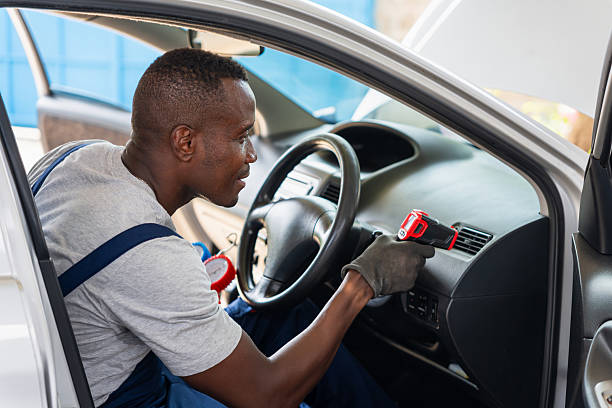
Vehicle inspection technicians play an important role in checking the mechanical condition, safety and roadworthiness of vehicles. They inspect vehicles, identify faults, document defects and help ensure that cars, buses, trucks and other vehicles meet required standards.
Vehicle inspection technician jobs are suitable for automotive technicians, mechanics, mechanical engineering graduates, vehicle maintenance professionals and technically trained candidates with experience diagnosing and inspecting vehicles.
Recent Nigerian job listings include vehicle inspection positions in Lagos requiring qualifications such as OND, HND or a bachelor’s degree in Mechanical Engineering, Automotive Engineering, Transport Management or related fields, together with practical inspection or automotive experience.
What Does a Vehicle Inspection Technician Do?
A vehicle inspection technician examines vehicles to identify mechanical, electrical and safety-related problems.
Typical responsibilities include:
- Conducting vehicle inspections
- Checking engine condition
- Inspecting transmissions
- Checking braking systems
- Inspecting steering and suspension
- Checking tyres and wheels
- Testing electrical systems
- Checking vehicle identification numbers
- Using diagnostic scanners
- Recording inspection findings
- Preparing inspection reports
- Identifying safety defects
- Conducting post-repair inspections
Vehicle inspection roles can involve examining both the interior and exterior condition of vehicles and checking major mechanical systems.
Engine Inspection Skills
A good inspection technician should understand how to identify signs of engine problems.
Important skills include:
- Checking engine oil condition
- Identifying oil leaks
- Checking coolant systems
- Detecting overheating problems
- Inspecting belts and hoses
- Checking engine noises
- Assessing exhaust smoke
- Checking engine performance
- Performing basic diagnostic tests
The technician should be able to distinguish between normal wear and faults requiring immediate attention.
Transmission Inspection
Vehicle inspection technicians may also assess manual and automatic transmissions.
Inspection areas can include:
- Gear shifting
- Clutch operation
- Transmission fluid
- Unusual noises
- Gearbox leaks
- Transmission response
- Driveshaft condition
A thorough inspection can help identify expensive transmission problems before a vehicle is purchased or returned to service.
Brake and Suspension Inspection
Brake and suspension systems are among the most important areas of vehicle inspection.
Technicians may inspect:
- Brake pads
- Brake discs
- Brake drums
- Brake fluid
- Brake lines
- Shock absorbers
- Springs
- Bushings
- Wheel bearings
- Steering components
Vehicle inspection work can also involve testing braking efficiency, suspension and wheel alignment using specialised equipment.
Electrical and Diagnostic Testing
Modern vehicles require technicians who understand computerised diagnostics.
Useful skills include:
- Using diagnostic scanners
- Reading fault codes
- Battery testing
- Alternator testing
- Starter-system inspection
- Sensor diagnosis
- Wiring inspection
- ECU diagnostics
- Checking warning lights
Some vehicle inspection positions specifically require the ability to use vehicle scanning equipment.
Vehicle Identification Inspection
Inspection technicians may also verify a vehicle’s identity and documentation.
This can include checking:
- Vehicle Identification Number
- Chassis number
- Engine number
- Odometer reading
- Registration information
- Ownership documents
Some inspection roles require technicians to compare vehicle identification numbers with ownership records and identify questionable odometer readings.
Pre-Purchase Vehicle Inspection
Private buyers, dealerships and vehicle businesses may employ technicians to inspect used vehicles before purchase.
A pre-purchase inspection can cover:
- Exterior body condition.
- Interior condition.
- Engine.
- Transmission.
- Suspension.
- Brakes.
- Steering.
- Electrical systems.
- Tyres and wheels.
- Vehicle documentation.
The technician then provides a report highlighting major defects and potential repair requirements.
Fleet Vehicle Inspection
Companies operating fleets also require regular vehicle inspections.
Fleet inspection technicians may conduct:
- Pre-deployment inspections
- Post-trip inspections
- Preventive maintenance checks
- Safety inspections
- Post-repair inspections
- Breakdown assessments
- Roadworthiness checks
This type of experience can lead to opportunities in logistics, transportation, delivery and fleet-management companies.
What Qualifications Do Vehicle Inspection Technicians Need?
Requirements vary between employers.
Common qualifications include:
- OND Mechanical Engineering
- HND Mechanical Engineering
- Automotive Engineering
- Automotive Technology
- Transport Management
- Motor Vehicle Mechanics
- Technical college certification
- Trade Test
- NABTEB
- Relevant automotive certifications
COREN recognises ND engineering qualifications and certain technical qualifications as routes toward registration as an engineering technician, subject to the required professional experience and examination.
Experience Requirements
Entry-level inspection roles may accept candidates with limited experience if they have relevant technical training.
More experienced positions may require one to several years of vehicle inspection, diagnosis, repair or fleet experience. Recent Nigerian inspection vacancies have requested experience ranging from around one year to three or more years depending on the role.
Practical experience as a mechanic can therefore be a strong foundation for moving into vehicle inspection.
What Should You Put on Your CV?
Your CV should demonstrate both inspection and mechanical knowledge.
Include:
- Years of automotive experience
- Vehicle types inspected
- Mechanical diagnosis
- Electrical diagnosis
- Diagnostic scanner experience
- Brake inspection
- Suspension inspection
- Engine inspection
- Transmission inspection
- Vehicle documentation checks
- Inspection reporting
- Technical qualifications
For example:
“Three years’ experience in vehicle inspection, diagnosis and maintenance, with expertise in engine, transmission, brake, suspension and electrical-system assessment and the use of automotive diagnostic equipment.”
Related Job Titles to Search
Don’t search only for “vehicle inspection technician jobs.”
Also search for:
- Vehicle Inspection Officer
- Vehicle Inspection Technician
- Automotive Inspection Technician
- Vehicle Inspector
- Automotive Inspector
- Fleet Inspection Technician
- Vehicle Quality Inspector
- Automotive Quality Inspector
- Vehicle Assessment Technician
- Vehicle Diagnostic Technician
- Pre-Purchase Vehicle Inspector
- Fleet Quality Assurance Officer
- Automotive Technician
Searching related job titles can help you find more opportunities.
Applications and CV Submission
Candidates interested in vehicle inspection technician opportunities and related automotive positions should prepare an updated CV showing their inspection experience, technical qualifications, diagnostic skills and vehicle-maintenance background.
Applications and CVs should be sent to jobs@wigmoretrading.com.
Use Vehicle Inspection Technician Application as the email subject and include your phone number, years of experience, qualifications, vehicle types inspected and technical specialisations.
How to Stand Out
Employers want inspection technicians who can identify faults accurately and produce reliable inspection reports.
Highlight your ability to:
- Inspect vehicles systematically
- Diagnose mechanical faults
- Use vehicle scanners
- Identify safety defects
- Inspect engines and transmissions
- Check brakes and suspension
- Assess electrical systems
- Verify vehicle identification numbers
- Prepare detailed reports
- Communicate findings clearly
Strong attention to detail is particularly important because inspection decisions can affect vehicle safety and purchasing decisions.
Safety and Professional Conduct
Vehicle inspection technicians must remain objective and follow established inspection procedures.
Important practices include:
- Using appropriate PPE
- Following inspection checklists
- Using testing equipment correctly
- Maintaining accurate records
- Avoiding conflicts of interest
- Following road-safety procedures
- Conducting safe vehicle tests
- Reporting defects honestly
Professional inspection work should be based on the actual condition of the vehicle rather than assumptions.
Preparing for the Interview
Expect practical questions such as:
- How would you inspect a used vehicle before purchase?
- What signs indicate engine problems?
- How would you identify a transmission fault?
- What should you check when inspecting a braking system?
- How would you use a diagnostic scanner?
- How can you identify suspension problems?
- What would you check if a vehicle has multiple dashboard warning lights?
- How would you document defects found during an inspection?
- How would you verify a vehicle’s identification details?
- What would make you recommend that a vehicle should not be put into service?
Use practical examples from your previous workshop, fleet or automotive experience.
Where Can Vehicle Inspection Technicians Work?
Potential employers include:
- Vehicle inspection centres
- Automotive dealerships
- Fleet-management companies
- Logistics companies
- Transport companies
- Vehicle marketplaces
- Insurance companies
- Automotive workshops
- Vehicle assessment companies
- Government vehicle-inspection agencies
Nigeria’s National Electronic Labour Exchange also provides a platform where job seekers can search for maintenance, engineering and technical opportunities.
Career Progression
A vehicle inspection technician can progress through:
Junior Technician → Vehicle Inspection Technician → Senior Inspector → Lead Inspector → Inspection Supervisor → Fleet Quality Manager
You can also specialise in:
- Pre-purchase inspections
- Fleet inspections
- Commercial vehicle inspections
- Vehicle diagnostics
- Quality assurance
- Roadworthiness testing
- Automotive valuation
- Vehicle compliance
Additional training in vehicle diagnostics, automotive electronics, inspection equipment and quality assurance can improve your career prospects.
A strong vehicle inspection technician is ultimately someone who can identify vehicle defects accurately, assess safety and mechanical condition objectively, use diagnostic equipment effectively and produce reliable inspection reports.
