


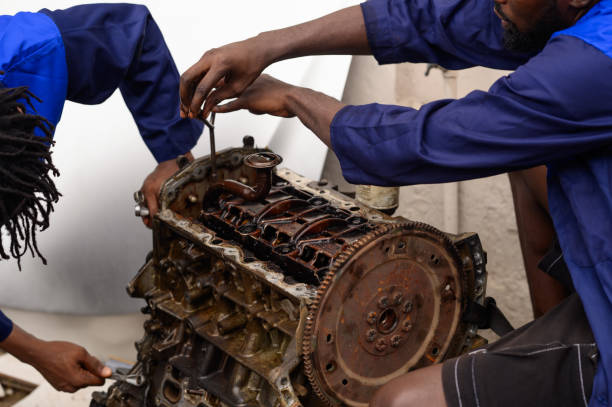
Small engines power a wide range of equipment used in homes, businesses, agriculture, landscaping, construction and industrial operations. When these engines develop faults, skilled technicians are needed to diagnose, repair and maintain them.
Small engine mechanic jobs in Lagos are suitable for mechanics, engine technicians, generator technicians and vocationally trained professionals with practical experience repairing petrol and diesel-powered equipment.
Small-engine mechanics commonly diagnose, repair and test engines used in equipment such as generators, pumps, lawn equipment, chainsaws and other compact machinery.
What Does a Small Engine Mechanic Do?
A small engine mechanic maintains and repairs compact engines and the equipment they power.
Typical responsibilities include:
- Inspecting small engines
- Diagnosing engine faults
- Performing routine servicing
- Cleaning and adjusting carburettors
- Replacing spark plugs
- Servicing fuel systems
- Troubleshooting ignition systems
- Repairing cooling systems
- Replacing worn components
- Testing engines after repairs
- Performing preventive maintenance
- Keeping service records
Types of Equipment You May Work On
Depending on the employer, a small engine mechanic may work on:
- Portable generators
- Water pumps
- Lawn mowers
- Brush cutters
- Chainsaws
- Pressure washers
- Concrete mixers
- Small agricultural machines
- Motorised pumps
- Small construction equipment
Some mechanics specialise in particular equipment, while others service several types of small engines.
Petrol and Diesel Engine Skills
A good small engine mechanic should understand both petrol and diesel engine fundamentals.
Useful skills include:
- Fuel-system diagnosis
- Carburettor servicing
- Fuel-injection systems
- Spark-plug replacement
- Ignition troubleshooting
- Compression testing
- Air-filter servicing
- Cooling-system maintenance
- Lubrication
- Engine timing
Knowledge of both two-stroke and four-stroke engines can also increase the range of equipment you can repair.
Generator Repair Skills
Generator maintenance is an important area for small-engine mechanics in Nigeria.
A technician may work on:
- Petrol generators
- Small diesel generators
- Portable generators
- Generator engines
- Starting systems
- Fuel systems
- Cooling systems
- Control components
- Alternators
Mechanics who combine engine knowledge with basic electrical troubleshooting can take on more generator-related work.
Fuel-System Troubleshooting
Fuel problems are common causes of small-engine failure.
A mechanic should be able to inspect:
- Fuel tanks
- Fuel lines
- Fuel filters
- Carburettors
- Fuel pumps
- Injectors
- Fuel quality
- Air intake systems
If an engine cranks but refuses to start, the technician should systematically check fuel delivery, ignition, compression and air supply rather than replacing parts unnecessarily.
Electrical and Ignition Skills
Modern small equipment may contain electrical and electronic components.
Useful skills include:
- Battery testing
- Spark testing
- Starter-motor diagnosis
- Charging-system testing
- Wiring inspection
- Switch testing
- Sensor diagnosis
- Multimeter use
These skills are especially useful when working on electric-start generators and modern engine systems.
Preventive Maintenance
Regular servicing helps small engines remain reliable.
Preventive maintenance can include:
- Changing engine oil.
- Cleaning or replacing air filters.
- Checking spark plugs.
- Inspecting fuel systems.
- Checking belts and hoses.
- Inspecting cooling systems.
- Checking batteries.
- Cleaning engine components.
- Checking fasteners and moving parts.
- Testing the equipment after servicing.
Proper maintenance records can also help identify recurring problems.
Mobile and Field Service
Some small-engine mechanics work as mobile technicians, travelling to customers when equipment fails.
A field-service job may involve:
- Travelling to the customer’s location
- Inspecting the equipment
- Diagnosing the fault
- Carrying repair tools
- Replacing faulty components
- Testing the machine
- Explaining the problem to the customer
- Recording the completed repair
This can be particularly useful for generators, pumps and other equipment that is difficult to transport.
What Qualifications Do Small Engine Mechanics Need?
Requirements vary between employers.
Common qualifications include:
- Technical college training
- Automotive Technology
- Mechanical Engineering
- OND Mechanical Engineering
- Engine Repair training
- Generator Technician training
- Vocational training
- Trade Test certification
- Practical apprenticeship experience
For many hands-on positions, practical ability and demonstrated repair experience are extremely important.
What Should You Put on Your CV?
Your CV should clearly show your practical engine experience.
Include:
- Years of experience
- Engine types worked on
- Equipment repaired
- Generator experience
- Petrol and diesel experience
- Fuel-system knowledge
- Electrical troubleshooting
- Diagnostic tools used
- Preventive maintenance
- Breakdown repairs
- Technical qualifications
- Apprenticeship experience
For example:
“Four years’ experience servicing and repairing small petrol and diesel engines, including generators, water pumps and power equipment, with expertise in fuel systems, ignition, diagnostics and preventive maintenance.”
Related Job Titles to Search
Don’t search only for “small engine mechanic jobs Lagos.”
Also search for:
- Small Engine Technician
- Engine Technician
- Generator Mechanic
- Generator Technician
- Power Equipment Mechanic
- Power Equipment Technician
- Petrol Engine Mechanic
- Diesel Technician
- Equipment Repair Technician
- Mechanical Technician
- Field Service Technician
- Maintenance Technician
- Pump Mechanic
Searching these related titles can reveal more opportunities.
Applications and CV Submission
Candidates interested in small engine mechanic opportunities and related technical positions should prepare an updated CV showing their practical engine experience, equipment knowledge and technical qualifications.
Applications and CVs should be sent to jobs@wigmoretrading.com.
Use Small Engine Mechanic Application as the email subject and include your phone number, years of experience, qualifications, equipment handled and areas of technical specialisation.
How to Stand Out
Employers want technicians who can identify faults quickly and repair equipment properly.
Highlight your ability to:
- Diagnose engine problems
- Service petrol and diesel engines
- Repair generators
- Troubleshoot fuel systems
- Diagnose ignition problems
- Perform preventive maintenance
- Repair pumps and compact machinery
- Respond to equipment breakdowns
- Work independently
- Maintain accurate service records
Customer-service skills can also be useful for mechanics working directly with equipment owners.
Safety Is Important
Small engines still involve fuel, electricity, heat, rotating components and exhaust gases.
Mechanics should understand:
- Fuel safety
- Fire prevention
- Battery safety
- Electrical isolation
- Proper ventilation
- PPE
- Safe lifting
- Moving-component hazards
- Safe engine testing
Equipment should always be tested in a safe environment after repairs.
Preparing for the Interview
Expect practical questions such as:
- How would you diagnose an engine that cranks but will not start?
- What can cause a petrol engine to lose power?
- How would you diagnose a generator that starts and then stops?
- What causes an engine to overheat?
- How would you clean and diagnose a carburettor?
- What checks should be performed during routine servicing?
- How would you diagnose a weak spark?
- Which diagnostic tools have you used?
Give practical examples from your previous repair or apprenticeship experience.
Where Can Small Engine Mechanics Work?
Potential employers include:
- Generator service companies
- Equipment dealers
- Agricultural businesses
- Construction companies
- Landscaping companies
- Equipment rental companies
- Pump-service companies
- Industrial maintenance businesses
- Hardware and power-equipment companies
- Independent repair workshops
Lagos also has businesses specialising in small-engine and generator repairs, showing the range of equipment-service work available in the broader mechanical sector.
Career Progression
A small engine mechanic can progress through:
Apprentice → Junior Mechanic → Small Engine Technician → Senior Technician → Lead Technician → Workshop Supervisor
You can also specialise in:
- Generator repair
- Marine outboard engines
- Agricultural equipment
- Hydraulic pumps
- Power equipment
- Small diesel engines
- Field service
Additional training in electrical diagnostics, generator systems, hydraulics and modern engine controls can increase your career opportunities.
A strong small engine mechanic is ultimately someone who can diagnose compact engine faults accurately, repair equipment efficiently, minimise downtime and keep generators, pumps and other powered machinery operating safely and reliably.
