


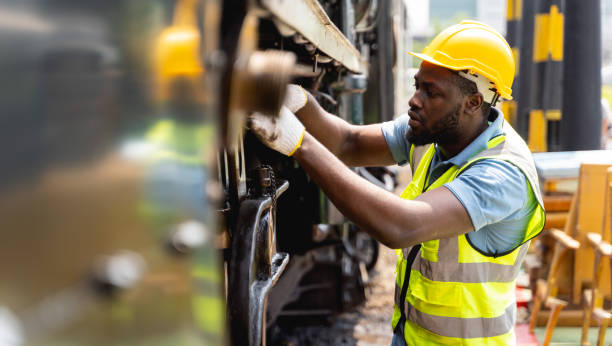
Civil engineering and construction projects rely on heavy equipment to excavate, move, grade and compact materials. Excavators, bulldozers, graders, loaders, rollers and dump trucks must remain operational to keep projects progressing.
Civil equipment mechanic jobs are suitable for heavy-duty mechanics, plant technicians, diesel mechanics and equipment maintenance professionals with practical experience maintaining construction and earthmoving machinery.
What Does a Civil Equipment Mechanic Do?
A civil equipment mechanic maintains, diagnoses and repairs machinery used on civil engineering and infrastructure projects.
Typical responsibilities include:
- Inspecting heavy equipment
- Performing preventive maintenance
- Diagnosing mechanical faults
- Servicing diesel engines
- Repairing hydraulic systems
- Troubleshooting electrical faults
- Maintaining transmissions
- Repairing braking and steering systems
- Replacing worn components
- Responding to equipment breakdowns
- Testing machinery after repairs
- Maintaining service records
Mechanics may work in a central workshop or travel to different construction and civil engineering project sites.
Types of Civil Equipment You May Work On
Depending on the employer, mechanics may maintain:
- Excavators
- Bulldozers
- Motor graders
- Wheel loaders
- Backhoe loaders
- Road rollers
- Asphalt pavers
- Milling machines
- Dump trucks
- Water tankers
- Cranes
- Compactors
- Concrete machinery
Experience with trucks, agricultural equipment, mining machinery or other heavy equipment can also be useful.
Diesel Engine Skills Are Important
Many civil engineering machines use heavy-duty diesel engines.
Useful knowledge includes:
- Diesel engine servicing
- Fuel-system diagnosis
- Injector troubleshooting
- Turbocharger inspection
- Cooling-system maintenance
- Lubrication systems
- Exhaust systems
- Engine sensors
- Electronic engine management
Mechanics who can work on both mechanical and electronically controlled diesel systems can handle a broader range of modern machinery.
Hydraulic Skills Are Highly Valuable
Hydraulic systems are used extensively in civil construction equipment.
They control components such as:
- Excavator arms
- Loader buckets
- Bulldozer blades
- Grader attachments
- Compactor systems
- Steering systems
A mechanic should understand hydraulic pumps, cylinders, valves, hoses, filters and pressure systems.
Strong hydraulic troubleshooting skills can help technicians identify problems without unnecessarily replacing expensive components.
Electrical and Diagnostic Skills
Modern civil equipment increasingly uses electronic control systems.
Useful skills include:
- Electrical troubleshooting
- Multimeter testing
- Sensor diagnosis
- ECU diagnostics
- Fault-code interpretation
- Battery testing
- Wiring diagrams
- Electronic control systems
A technician who understands mechanical, hydraulic and electrical systems can be more versatile in a civil engineering equipment workshop.
Preventive Maintenance
Civil equipment often works for long hours in dusty, rough and demanding environments.
Preventive maintenance may include:
- Engine oil and filter replacement.
- Hydraulic-fluid inspection.
- Cooling-system checks.
- Air-filter inspection.
- Track and tyre checks.
- Brake inspection.
- Battery testing.
- Hydraulic hose inspection.
- Lubrication.
- General safety inspection.
Regular servicing helps reduce unexpected breakdowns and costly project delays.
Field Repairs and Breakdown Support
Civil equipment mechanics may spend considerable time working directly at project sites.
A field repair can involve:
- Travelling to the construction site
- Inspecting failed equipment
- Diagnosing the fault
- Carrying tools and spare parts
- Repairing the equipment
- Testing the machine
- Completing a service report
Technicians need to be comfortable working independently, particularly when equipment fails far from a fully equipped workshop.
What Qualifications Do Civil Equipment Mechanics Need?
Requirements vary between employers.
Common qualifications include:
- Mechanical Engineering
- Automotive Technology
- OND Mechanical Engineering
- HND Mechanical Engineering
- Heavy Equipment Technology
- Plant Mechanics
- Technical college training
- Trade Test certification
- Manufacturer-specific equipment training
Practical experience with heavy construction machinery can be especially valuable.
What Should You Put on Your CV?
Your CV should clearly show your experience with civil and heavy equipment.
Include:
- Years of experience
- Equipment types maintained
- Diesel-engine experience
- Hydraulic-system experience
- Electrical troubleshooting
- Diagnostic tools used
- Preventive maintenance
- Breakdown repairs
- Field-service experience
- Technical qualifications
- Safety training
For example:
“Five years’ experience maintaining excavators, graders, loaders and other civil construction equipment, with expertise in diesel engines, hydraulic systems, electrical diagnostics and preventive maintenance.”
Related Job Titles to Search
Don’t search only for “civil equipment mechanic jobs.”
Also search for:
- Plant Mechanic
- Plant Technician
- Heavy Equipment Mechanic
- Heavy-Duty Mechanic
- Construction Equipment Mechanic
- Civil Equipment Technician
- Earthmoving Equipment Technician
- Diesel Mechanic
- Field Service Technician
- Mobile Equipment Technician
- Equipment Maintenance Technician
- Construction Plant Technician
Employers may use different job titles for similar equipment-maintenance roles.
Applications and CV Submission
Candidates interested in civil equipment mechanic opportunities and related heavy-equipment positions should prepare an updated CV showing their equipment experience, technical qualifications, diagnostic skills and maintenance background.
Applications and CVs should be sent to jobs@wigmoretrading.com.
Use Civil Equipment Mechanic Application as the email subject and include your phone number, years of experience, qualifications and the types of equipment you have maintained.
How to Stand Out
Civil engineering companies want mechanics who can minimise machinery downtime and keep projects running.
Highlight your ability to:
- Diagnose faults accurately
- Repair heavy equipment
- Maintain diesel engines
- Troubleshoot hydraulic systems
- Diagnose electrical faults
- Perform preventive maintenance
- Respond to site breakdowns
- Work independently
- Maintain service records
- Follow site safety procedures
If you have worked on major road, bridge, drainage or other infrastructure projects, mention that experience on your CV.
Safety Is Critical
Civil construction machinery can involve heavy loads, moving components, high-pressure hydraulics and hazardous work environments.
Mechanics should understand:
- Equipment isolation
- Lockout/tagout
- Hydraulic safety
- Safe lifting procedures
- PPE requirements
- Electrical safety
- Site traffic procedures
- Pre-operation inspections
- Safe equipment testing
Machinery should only be returned to operation after the repair has been properly completed and the equipment has been confirmed safe.
Preparing for the Interview
Expect practical questions such as:
- How would you diagnose an excavator that suddenly loses hydraulic power?
- What can cause a diesel engine to overheat?
- How would you troubleshoot a machine that will not start?
- What causes hydraulic pressure to drop?
- How do you carry out preventive maintenance on a grader?
- How would you respond to a machinery breakdown at a remote construction site?
- How do you determine whether equipment is safe to return to operation?
- Which diagnostic tools have you used?
Use practical examples from your actual maintenance experience.
Where Can Civil Equipment Mechanics Work?
Potential employers include:
- Civil engineering companies
- Road construction contractors
- Building contractors
- Infrastructure companies
- Quarry companies
- Mining companies
- Construction equipment dealers
- Heavy-equipment rental companies
- Equipment maintenance companies
- Government infrastructure contractors
Mechanics can also work for equipment manufacturers and service providers that support construction fleets.
Career Progression
A civil equipment mechanic can progress through:
Mechanic → Senior Mechanic → Lead Plant Technician → Equipment Supervisor → Plant Maintenance Manager
You can also specialise in:
- Heavy-duty diesel systems
- Earthmoving equipment
- Hydraulic systems
- Electrical diagnostics
- Construction machinery
- Field service
- Equipment reliability
Additional training in hydraulics, diesel technology, electrical systems, advanced diagnostics and manufacturer-specific equipment can improve your career prospects.
A strong civil equipment mechanic is ultimately someone who can keep heavy machinery reliable, diagnose faults efficiently, minimise project downtime and help civil engineering operations run safely and productively.
