


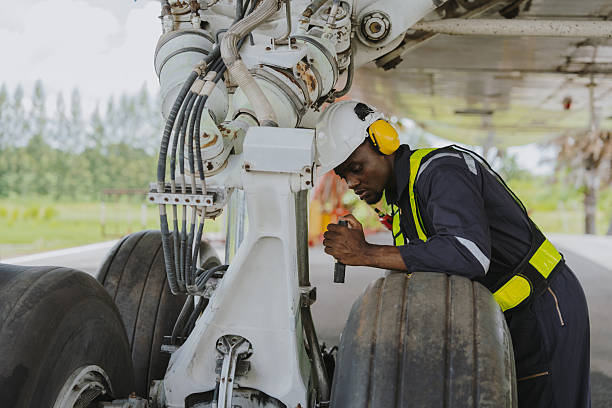
Ports and cargo terminals rely on heavy equipment to move containers, trucks and other goods efficiently. When this machinery breaks down, cargo-handling operations can be delayed, making skilled mechanics essential.
Terminal equipment mechanic jobs are suitable for heavy-duty mechanics, mechanical technicians and equipment maintenance professionals with experience in diesel engines, hydraulics, electrical systems and industrial machinery.
What Does a Terminal Equipment Mechanic Do?
A terminal equipment mechanic maintains, services and repairs machinery used in port and terminal operations.
Typical responsibilities include:
- Inspecting terminal equipment
- Performing preventive maintenance
- Diagnosing mechanical faults
- Repairing diesel engines
- Maintaining hydraulic systems
- Troubleshooting electrical faults
- Repairing transmissions and braking systems
- Servicing steering and suspension systems
- Replacing worn components
- Responding to equipment breakdowns
- Testing equipment after repairs
- Completing maintenance records
The main objective is to keep terminal machinery safe, reliable and available for operations.
Types of Terminal Equipment You May Work On
Depending on the employer, terminal mechanics may work on:
- Reach stackers
- Empty container handlers
- Forklifts
- Terminal tractors
- Container handlers
- Rubber-tyred gantry cranes
- Mobile harbour cranes
- Heavy-duty loaders
- Container trucks
- Other cargo-handling equipment
Experience with one type of heavy equipment can provide a foundation for learning other machines.
Diesel Engine Knowledge Is Valuable
Many terminal machines use heavy-duty diesel engines.
Useful skills include:
- Diesel engine servicing
- Fuel-system diagnosis
- Injector troubleshooting
- Turbocharger inspection
- Cooling-system maintenance
- Lubrication systems
- Exhaust systems
- Engine sensors
- Engine-management systems
Mechanics with previous experience working on trucks, buses or construction equipment may be able to transfer many of their skills into terminal equipment maintenance.
Hydraulic Systems Are Important
Terminal machinery often relies on hydraulic systems for lifting, steering and other functions.
A technician should understand:
- Hydraulic pumps
- Hydraulic motors
- Hydraulic cylinders
- Control valves
- Hydraulic hoses
- Filters
- Pressure systems
- Leak diagnosis
Good hydraulic troubleshooting skills can be particularly valuable when working with reach stackers, container handlers and other lifting equipment.
Electrical and Diagnostic Skills
Modern terminal equipment combines mechanical components with sophisticated electronic controls.
Useful skills include:
- Electrical troubleshooting
- Multimeter testing
- Sensor diagnosis
- ECU diagnostics
- Fault-code interpretation
- Battery testing
- Wiring diagrams
- Electronic control systems
Mechanics who can diagnose both mechanical and electrical problems can be more valuable to terminal operators.
Preventive Maintenance
Terminal equipment should be maintained regularly to reduce unexpected breakdowns.
A preventive maintenance programme may include:
- Engine oil and filter checks.
- Hydraulic-fluid inspection.
- Brake inspection.
- Tyre checks.
- Battery testing.
- Cooling-system inspection.
- Hydraulic hose checks.
- Transmission servicing.
- Electrical-system inspection.
- Safety-system checks.
Maintenance should follow the equipment manufacturer’s recommendations and the employer’s maintenance procedures.
Breakdown Response
Terminal mechanics may work in environments where equipment must be restored quickly.
When machinery breaks down, the mechanic may:
- Inspect the equipment
- Identify the symptoms
- Perform diagnostic tests
- Determine the cause
- Repair or replace faulty components
- Test the equipment
- Complete a service report
- Return the machine to operation when it is safe
Because terminals can operate continuously, some positions may involve shifts, standby duties or emergency breakdown support.
What Qualifications Do Terminal Equipment Mechanics Need?
Requirements vary by employer.
Common qualifications include:
- Trade Test Certificate
- OND Mechanical Engineering
- HND Mechanical Engineering
- Mechanical Engineering
- Automotive Technology
- Heavy Equipment Technology
- Technical college qualifications
- Relevant equipment-maintenance certifications
Practical experience is highly valuable, especially experience with heavy-duty vehicles, forklifts, cranes, reach stackers or other industrial equipment.
What Should You Put on Your CV?
Your CV should clearly show your heavy-equipment experience.
Include:
- Years of experience
- Equipment types maintained
- Diesel-engine experience
- Hydraulic experience
- Electrical troubleshooting
- Diagnostic tools used
- Preventive maintenance
- Breakdown repairs
- Transmission experience
- Brake and steering repairs
- Technical qualifications
- Safety training
For example:
“Five years’ experience maintaining heavy mobile equipment, including reach stackers, forklifts and terminal tractors, with expertise in diesel engines, hydraulics, electrical diagnostics and preventive maintenance.”
Related Job Titles to Search
Don’t search only for “terminal equipment mechanic jobs.”
Also search for:
- Mobile Equipment Mechanic
- Port Equipment Mechanic
- Heavy-Duty Mechanic
- Terminal Mechanic
- Equipment Maintenance Technician
- MHE Technician
- Forklift Technician
- Reach Stacker Technician
- Crane Mechanic
- Heavy Equipment Technician
- Field Service Technician
- Mobile Equipment Technician
- Fleet Maintenance Technician
Employers may use different job titles even when the responsibilities are very similar.
Applications and CV Submission
Candidates interested in terminal equipment mechanic opportunities and related heavy-equipment positions should prepare an updated CV showing their mechanical experience, equipment knowledge, diagnostic abilities and technical qualifications.
Applications and CVs should be sent to jobs@wigmoretrading.com.
Use Terminal Equipment Mechanic Application as the email subject and include your phone number, years of experience, qualifications, equipment handled and areas of technical specialisation.
How to Stand Out
Terminal operators want mechanics who can keep equipment operational without compromising safety.
Highlight your ability to:
- Diagnose faults accurately
- Work on heavy-duty machinery
- Repair hydraulic systems
- Maintain diesel engines
- Troubleshoot electrical problems
- Perform preventive maintenance
- Respond to breakdowns
- Reduce equipment downtime
- Follow manufacturer procedures
- Maintain service records
- Follow HSE requirements
If you have worked in a port, terminal, manufacturing plant, construction site or other industrial environment, make that experience prominent on your CV.
Safety Is Extremely Important
Terminal equipment can carry heavy loads and involves moving machinery, high-pressure hydraulics and electrical systems.
Mechanics should understand:
- Lockout/tagout
- Equipment isolation
- Hydraulic safety
- Electrical safety
- PPE requirements
- Safe lifting procedures
- Pre-operation inspections
- Safe testing procedures
- HSE reporting
A repaired machine should only return to service after appropriate testing and confirmation that it is safe to operate.
Preparing for the Interview
Expect practical questions such as:
- How would you diagnose a reach stacker that has lost lifting power?
- What can cause hydraulic pressure to drop?
- How would you diagnose an electrical fault on a forklift?
- What checks should be performed during preventive maintenance?
- How would you troubleshoot repeated engine overheating?
- How would you respond to an equipment breakdown during busy terminal operations?
- How do you determine whether a machine is safe to return to service?
- Which diagnostic tools have you used?
Use practical examples from your previous maintenance experience.
Where Can Terminal Equipment Mechanics Work?
Potential employers include:
- Container terminals
- Port operators
- Shipping companies
- Logistics companies
- Warehouses
- Distribution centres
- Equipment dealerships
- Heavy-equipment service companies
- Manufacturing businesses
- Industrial maintenance companies
Mechanics can also find opportunities with companies that sell, rent or service forklifts, reach stackers, cranes and other material-handling equipment.
Career Progression
A terminal equipment mechanic can progress through:
Mechanic → Senior Mechanic → Lead Technician → Equipment Supervisor → Maintenance Supervisor → Maintenance Manager
You can also specialise in:
- Crane maintenance
- Reach stacker maintenance
- Forklift maintenance
- Hydraulics
- Heavy-duty diesel systems
- Industrial electrical systems
- Mobile equipment diagnostics
Additional training in advanced diagnostics, hydraulics, electrical systems and specialised terminal machinery can improve your long-term career prospects.
A strong terminal equipment mechanic is ultimately someone who can maintain complex machinery, diagnose faults efficiently, follow strict safety procedures and keep critical terminal equipment available for continuous cargo operations.
