


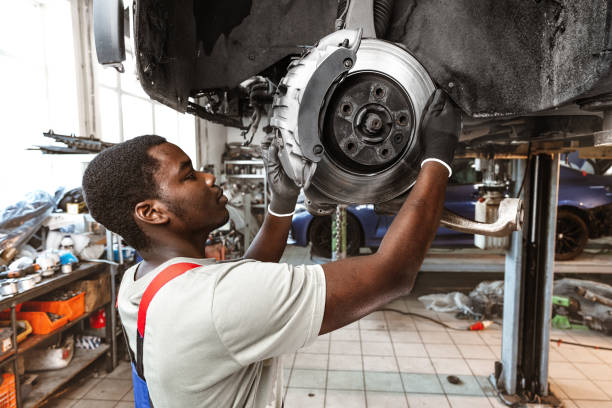
Lagos has a strong demand for people who can maintain and repair vehicles, machinery and industrial equipment. From automotive workshops and transport fleets to factories and engineering companies, practical mechanical skills can open several career paths.
Technical mechanic training in Lagos is a useful option for people who want to develop hands-on skills rather than rely entirely on classroom learning. The right programme can teach mechanical repair, diagnostics, maintenance and equipment troubleshooting while preparing trainees for real workplace situations.
What Do You Learn During Technical Mechanic Training?
Depending on the programme, training can cover:
- Engine maintenance and repair
- Mechanical fitting
- Vehicle servicing
- Braking and suspension systems
- Transmission and clutch systems
- Pumps and compressors
- Bearings and shafts
- Hydraulic systems
- Pneumatic systems
- Automotive electrical systems
- Preventive maintenance
- Fault diagnosis
- Workshop safety
The more comprehensive programmes combine mechanical knowledge with electrical, electronic and automation skills. The Institute for Industrial Technology’s Lagos industrial-maintenance programme, for example, covers mechanical systems alongside hydraulics, pneumatics, sensors, electrical motor controls and PLCs. (IIT Nigeria)
Practical Workshop Experience Matters
A technical mechanic should be able to work with real equipment, not just explain how a system works in theory.
Training can progress from simple tasks to more advanced work:
- Learning workshop safety and tool handling.
- Inspecting mechanical components.
- Performing basic servicing.
- Assisting experienced technicians.
- Testing and diagnosing faults.
- Repairing components under supervision.
- Carrying out preventive maintenance.
- Testing equipment after repairs.
Practical training is a major part of several Lagos technical programmes. IIT’s general technical courses, for example, use an approximately 70% practical and 30% theory approach. (IIT Nigeria)
Automotive or Industrial Mechanics?
Your career goal should influence the type of training you choose.
Automotive mechanic training is more focused on cars, trucks and other road vehicles. It can cover engines, transmissions, brakes, vehicle electronics and diagnostics.
Industrial mechanical training focuses more on plant and production equipment such as pumps, compressors, motors, conveyors and mechanical systems.
If you want to work in vehicle repair, look for an automotive-focused programme. If your goal is factory maintenance or industrial engineering, plant maintenance or mechanical fitting may be more appropriate.
Diagnostics Is Becoming More Important
Modern vehicles and industrial equipment increasingly use electronic controls and sensors. A technician who understands diagnostics can therefore have an advantage over someone who only knows traditional mechanical repairs.
Useful additional skills include:
- Diagnostic scanner operation
- Multimeter testing
- Sensor testing
- Automotive electrical systems
- ECU diagnostics
- Hydraulic troubleshooting
- Pneumatic systems
- Basic PLC knowledge
Lagos-based automotive programmes are already incorporating diagnostics and modern vehicle technology alongside traditional mechanical repair. (Carmedis)
How Long Does Technical Mechanic Training Take?
There is no single duration. It depends on whether you choose a short vocational course, an automotive technician programme or a longer industrial-maintenance programme.
For example, NIATEC currently lists a five-month automotive foundation course followed by one month of industrial training, while its Auto Technician International Standard programme lasts 12 months plus 3–6 months of industrial training. (NIATEC INSTITUTE)
For industrial maintenance, IIT currently offers a Plant Maintenance Technology programme lasting six months or more full-time, or 12 months or more part-time. The programme is approximately 70% practical. (IIT Nigeria)
There are also mechanical engineering vocational qualifications in Lagos lasting around four to six months. (MPVTL)
Who Can Apply?
Technical mechanic training can be suitable for:
- Secondary-school leavers
- Apprentices
- Junior mechanics
- Artisans
- Engineering students
- Engineering graduates
- Existing technicians
- People changing careers
- Anyone interested in practical mechanical work
Entry requirements depend on the programme. Some short vocational courses accept school-leavers, while more advanced programmes may require technical qualifications or previous experience.
What Should You Look for in a Training Centre?
Don’t choose a training centre simply because it advertises a certificate.
Check whether you will receive:
- Hands-on workshop training
- Access to real equipment
- Experienced instructors
- Mechanical fitting practice
- Diagnostics training
- Preventive maintenance
- Hydraulic and pneumatic training
- Electrical fundamentals
- Safety training
- Industrial attachment where applicable
For example, Government Technical College Odomola-Epe in Lagos says a significant portion of its training takes place in workshops and laboratories, with practical exposure to tools and equipment. (GTC Odomola)
What Should You Put on Your CV?
If you’re applying for technical mechanic training or a trainee opportunity, your CV should focus on practical potential.
Include:
- Educational qualifications
- Mechanical training
- Workshop experience
- Apprenticeship experience
- Vehicles or machinery you’ve worked on
- Mechanical skills
- Electrical skills
- Diagnostic experience
- Welding or fabrication skills
- Tools you can use
- Technical certificates
If you have already assisted a mechanic or technician, describe the actual work you performed rather than simply writing “mechanical experience.”
Applications and CV Submission
Candidates interested in technical mechanic training and related technical opportunities should prepare an updated CV showing their educational background, practical experience, mechanical skills and willingness to learn.
Applications and CVs should be sent to jobs@wigmoretrading.com.
Use Technical Mechanic Training Application as the email subject and include your phone number, qualifications and relevant workshop experience in your CV.
Preparing for the Interview
You may be asked:
- Why do you want to become a mechanic or technician?
- What mechanical tools have you used?
- What is preventive maintenance?
- What could cause a machine or vehicle to overheat?
- What could cause excessive vibration?
- How would you approach equipment that suddenly stops working?
- What safety precautions should you take before starting a repair?
If you’re a beginner, don’t exaggerate your experience. Show that you’re serious about technical work, willing to learn and prepared to follow workshop safety procedures.
Building a Career From Technical Mechanic Training
Technical mechanic training in Lagos can provide a foundation for careers in automotive repair, industrial maintenance, plant operations, equipment servicing and mechanical engineering support.
As you gain experience, consider adding vehicle diagnostics, hydraulics, pneumatics, electrical systems, fuel injection, diesel technology and automation to your skill set.
The goal should not simply be to obtain a certificate. The real value comes from learning how to inspect equipment, identify the cause of a fault, carry out repairs safely and prevent recurring breakdowns.
