


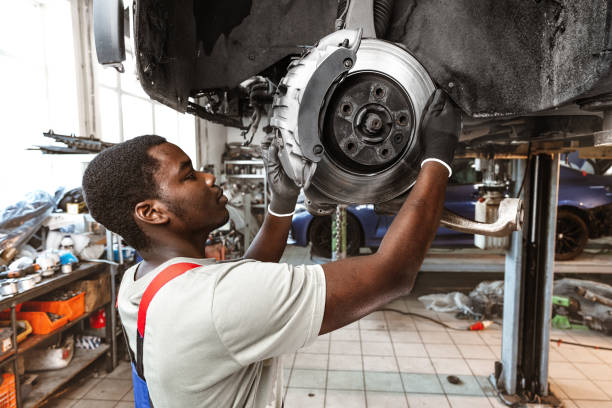
Nigeria’s transport, logistics, construction and industrial sectors rely heavily on diesel-powered vehicles and equipment. Trucks, buses, generators, heavy-duty machines and other commercial equipment need technicians who understand diesel engines and can diagnose problems before they become expensive breakdowns.
A diesel technician apprenticeship in Nigeria can provide a practical route into this field, especially for people who prefer learning through workshop experience rather than classroom theory alone.
Recent Nigerian technical programmes have specifically included heavy diesel technician training, advanced vehicle diagnosis and auto-electrical skills, showing the growing importance of combining traditional diesel mechanics with modern diagnostics.
What Do You Learn During a Diesel Technician Apprenticeship?
A good apprenticeship can introduce you to:
- Diesel engine servicing and repair
- Fuel injection systems
- Turbochargers
- Cooling and lubrication systems
- Engine overhauling
- Starting and charging systems
- Diesel diagnostics
- Electrical systems
- Braking systems
- Transmission and drivetrain
- Preventive maintenance
- Fault diagnosis
- Workshop safety
The goal is to progress from basic maintenance to confidently diagnosing and repairing diesel-powered equipment.
Practical Workshop Experience Is Essential
Diesel technology is difficult to master by reading manuals alone. Apprentices need to work around experienced technicians and gradually take responsibility for actual repair jobs.
A typical progression can look like this:
- Learn workshop safety and tool handling.
- Identify major diesel-engine components.
- Perform basic servicing.
- Inspect fuel and cooling systems.
- Assist with engine repairs.
- Test batteries and charging systems.
- Learn fuel-injection diagnosis.
- Use diagnostic equipment.
- Assist with engine overhauls.
- Diagnose and repair faults under supervision.
Diesel technician training programmes commonly combine engine maintenance, electrical systems, fuel systems, hydraulics, brakes and troubleshooting.
Diesel Diagnostics Is Becoming More Important
Modern diesel vehicles are increasingly electronically controlled. A technician may therefore need to understand both mechanical components and electronic systems.
Useful skills include:
- Diagnostic scanners
- Fault-code interpretation
- Sensor testing
- ECU systems
- Multimeter testing
- Fuel-system diagnosis
- Electrical troubleshooting
- Engine-management systems
NIATEC’s automotive foundation programme, for example, teaches students to differentiate petrol and diesel systems while working on engine, transmission, brake and other vehicle systems.
What Vehicles Can a Diesel Technician Work On?
Depending on your training and experience, you may eventually work on:
- Trucks
- Buses
- Commercial vehicles
- Construction equipment
- Agricultural machinery
- Heavy-duty vehicles
- Industrial diesel engines
- Generators
- Fleet vehicles
Truck maintenance is a particularly relevant area. A previous ITF-NECA programme at Truckmasters in Lagos was designed to prepare trainees for diesel and truck technician careers, including maintenance, repair and diagnostic operations.
Apprenticeship vs Formal Diesel Training
Both routes can be useful.
Apprenticeship:
- Strong workshop exposure
- Learn directly from experienced technicians
- Practical, hands-on progression
- Good for beginners
Formal training:
- Structured curriculum
- More systematic technical theory
- Diagnostics and modern vehicle technology
- Potential certification
- May include industrial attachment
The best option can be a combination of both: structured technical training followed by genuine workplace experience.
How Long Does Diesel Technician Training Take?
There is no single duration for every programme.
Some structured Nigerian programmes have run for six months, while other automotive technician programmes last a year or longer and include industrial training. For example, NIATEC’s current Auto Technician International Standard programme runs for 12 months followed by 3–6 months of industrial training.
The Federal Ministry of Education’s TVET Initiative also currently offers six-month and one-year vocational training routes for eligible Nigerians, including people entering technical careers without previous formal qualifications.
Where Can Diesel Technicians Work?
With sufficient practical experience, diesel technicians can pursue opportunities with:
- Transport companies
- Logistics companies
- Truck fleets
- Construction companies
- Heavy-equipment businesses
- Manufacturing companies
- Generator service companies
- Agricultural businesses
- Automotive workshops
- Vehicle dealerships
- Industrial maintenance companies
Possible job titles include Diesel Technician, Diesel Mechanic, Heavy-Duty Technician, Truck Technician, Fleet Maintenance Technician and Automotive Diagnostic Technician.
What Should You Look for in an Apprenticeship?
Don’t choose an apprenticeship simply because the workshop has many vehicles.
Check whether you will actually be allowed to learn and perform tasks under supervision.
Look for:
- Experienced diesel technicians
- Real diesel engines
- Diagnostic equipment
- Fuel-injection training
- Electrical troubleshooting
- Engine overhaul experience
- Preventive maintenance
- Heavy-duty vehicle exposure
- Proper safety procedures
- Gradual progression into more difficult repairs
The most valuable apprenticeship is one where you eventually move from watching to assisting, then performing repairs under supervision.
What Should You Put on Your CV?
If you’re applying for a diesel technician apprenticeship, your CV should focus on practical ability and willingness to learn.
Include:
- Educational qualifications
- Mechanical training
- Workshop experience
- Apprenticeship experience
- Diesel-engine knowledge
- Vehicle maintenance experience
- Electrical skills
- Diagnostic experience
- Equipment you’ve worked on
- Tools you can use
- Relevant technical certificates
If you’ve worked on trucks, buses, generators or heavy equipment, list them specifically.
Applications and CV Submission
Candidates interested in diesel technician apprenticeship and related technical opportunities should prepare an updated CV showing their education, practical experience, mechanical skills and willingness to learn.
Applications and CVs should be sent to jobs@wigmoretrading.com.
Use Diesel Technician Apprenticeship Application as the email subject and include your phone number, qualifications and relevant workshop experience in your CV.
Preparing for the Interview
You may be asked:
- What is the difference between a diesel and petrol engine?
- What could cause a diesel engine not to start?
- What causes excessive black smoke?
- What does a fuel injector do?
- How would you diagnose loss of engine power?
- What can cause an engine to overheat?
- Why is preventive maintenance important?
- What safety precautions should you take when working on a diesel engine?
If you’re a beginner, don’t pretend to have advanced experience. Demonstrate that you’re mechanically interested, willing to learn and comfortable working in a workshop environment.
Building a Career as a Diesel Technician
A diesel technician apprenticeship in Nigeria can provide the foundation for a career in truck maintenance, fleet operations, heavy equipment, industrial machinery and commercial vehicle repair.
As you gain experience, consider developing additional skills in electronic diagnostics, fuel injection, hydraulics, automotive electrical systems and fleet maintenance.
The strongest diesel technicians are not simply good at changing parts. They can identify the actual cause of a fault, repair it correctly and help prevent the same problem from happening again.
