


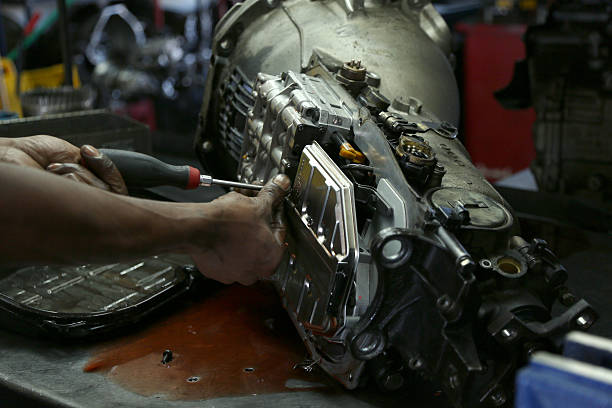
Heavy equipment is used across Nigeria’s construction, logistics, manufacturing, agriculture, mining, ports and industrial sectors. Excavators, loaders, bulldozers, forklifts, cranes, dump trucks and other machines require technicians who understand diesel engines, hydraulics, electrical systems and mechanical components.
For anyone interested in heavy equipment mechanic training, the most useful programmes combine technical theory with hands-on work on real machinery. Nigerian training providers currently offer programmes covering heavy equipment maintenance, diesel engines, hydraulics and related technical skills.
What Do You Learn During Heavy Equipment Mechanic Training?
A comprehensive programme can introduce trainees to:
- Diesel engine maintenance and repair
- Hydraulic systems
- Pneumatic systems
- Electrical and electronic systems
- Transmissions and drivetrains
- Braking systems
- Steering and suspension
- Fuel systems
- Preventive maintenance
- Corrective maintenance
- Equipment diagnostics
- Machine inspection and safety
Heavy equipment technicians need to understand how these systems interact. A hydraulic problem, for example, may require more than simply replacing a hose; the technician may need to check pressure, pumps, valves and other components to identify the actual cause.
Which Machines Can You Work On?
Training can prepare technicians to work with different categories of heavy machinery, including:
- Excavators
- Bulldozers
- Wheel loaders
- Dump trucks
- Forklifts
- Graders
- Cranes
- Compactors
- Agricultural machinery
- Industrial equipment
Some Nigerian training organisations specifically provide heavy-equipment programmes covering equipment such as excavators, trucks and other construction machinery.
Why Diesel and Hydraulic Skills Matter
Many heavy machines rely heavily on diesel engines and hydraulic systems.
A technician may need to diagnose problems such as:
- Engine overheating
- Loss of hydraulic pressure
- Slow hydraulic movement
- Excessive smoke
- Difficult starting
- Transmission problems
- Hydraulic oil leaks
- Abnormal engine noise
- Electrical faults
Learning to use diagnostic tools alongside traditional mechanical inspection can help a technician find the root cause instead of simply replacing parts.
Practical Training Is Essential
Heavy equipment is different from working on ordinary passenger cars. The components are larger, the systems can be more complex and repairs often require specialised tools and safety procedures.
A useful training programme should give students opportunities to:
- Inspect heavy machinery.
- Identify mechanical faults.
- Perform routine servicing.
- Test hydraulic systems.
- Diagnose diesel-engine problems.
- Remove and install components.
- Carry out preventive maintenance.
- Test equipment after repairs.
The Institute for Industrial Technology’s Lagos industrial-maintenance programme, for example, incorporates practical training in hydraulics, pneumatics, engines, electrical systems and other maintenance disciplines.
Safety Should Be Part of the Training
Heavy equipment maintenance involves significant mechanical and workplace hazards. Proper isolation, lifting procedures, PPE and equipment inspection are essential.
Training should cover areas such as:
- Equipment isolation
- Safe lifting
- Lockout procedures
- Hydraulic-pressure hazards
- Workshop safety
- Personal protective equipment
- Machine inspection
- Safe use of tools
Heavy-equipment safety programmes in Lagos also cover inspection, maintenance, testing and equipment-specific safety requirements.
Where Can a Heavy Equipment Mechanic Work?
After gaining practical experience, technicians can pursue opportunities with:
- Construction companies
- Logistics companies
- Mining companies
- Manufacturing plants
- Agricultural businesses
- Ports and terminals
- Equipment dealerships
- Oil and gas companies
- Industrial maintenance companies
- Heavy-equipment rental businesses
Port operations can also provide opportunities for heavy-equipment technicians. A Nigerian skills initiative, for example, has combined practical workshop training with internship placements for heavy-equipment maintenance at Apapa port operations.
What Should You Look for in a Training Programme?
Before enrolling, check whether the programme provides actual hands-on experience.
Look for training that includes:
- Real heavy machinery
- Diesel engine practice
- Hydraulic troubleshooting
- Electrical diagnostics
- Preventive maintenance
- Equipment inspection
- Fault diagnosis
- Workshop safety
- Experienced instructors
- Practical assessments
Some Caterpillar-related technician training available through Mantrac Nigeria includes online modules covering machinery, electricity, engines and hydraulics, with a foundation certification pathway.
What Qualifications Can Help?
Depending on the employer and training programme, useful backgrounds include:
- Secondary-school education
- Technical or vocational training
- Trade Test qualifications
- OND
- HND
- Mechanical Engineering
- Automotive Engineering
- Previous workshop experience
You don’t necessarily need an engineering degree to begin developing practical heavy-equipment skills. A strong technical foundation and hands-on experience can provide a pathway into technician-level work.
What Should You Put on Your CV?
If you’re applying for heavy equipment mechanic training or trainee opportunities, highlight practical skills rather than exaggerating your experience.
Include:
- Educational qualifications
- Mechanical training
- Apprenticeship experience
- Workshop experience
- Diesel-engine knowledge
- Hydraulic experience
- Electrical troubleshooting
- Equipment you’ve worked on
- Diagnostic tools you can use
- Technical certifications
- Willingness to work on heavy machinery
If you’ve worked on excavators, trucks, generators, forklifts or agricultural machinery, list the specific equipment.
Applications and CV Submission
Candidates interested in heavy equipment mechanic training and related technical opportunities should prepare an updated CV showing their education, mechanical experience, practical skills and willingness to learn.
Applications and CVs should be sent to jobs@wigmoretrading.com.
Use Heavy Equipment Mechanic Training Application as the email subject and include your phone number, qualifications and relevant workshop experience in your CV.
Preparing for the Interview
You may be asked practical questions such as:
- What can cause a diesel engine to overheat?
- What could cause an excavator to lose hydraulic power?
- How would you diagnose a machine that won’t start?
- What does preventive maintenance involve?
- What safety steps should you take before repairing heavy equipment?
- How would you investigate an abnormal hydraulic leak?
- What diagnostic tools have you used?
If you’re applying for training, be honest about your experience. Demonstrating curiosity, discipline, mechanical interest and willingness to learn can be more important than pretending to already be an expert.
Building a Career in Heavy Equipment Maintenance
Heavy equipment mechanic training can lead to careers as a heavy-duty mechanic, equipment technician, diesel technician, hydraulic technician, fleet maintenance technician or maintenance supervisor.
As you gain experience, adding skills in electronic diagnostics, hydraulics, electrical systems, condition monitoring and modern equipment technology can make you more competitive.
For anyone entering the field, prioritise training that provides real hands-on experience with heavy machinery, because practical troubleshooting is what turns mechanical knowledge into professional ability.
