


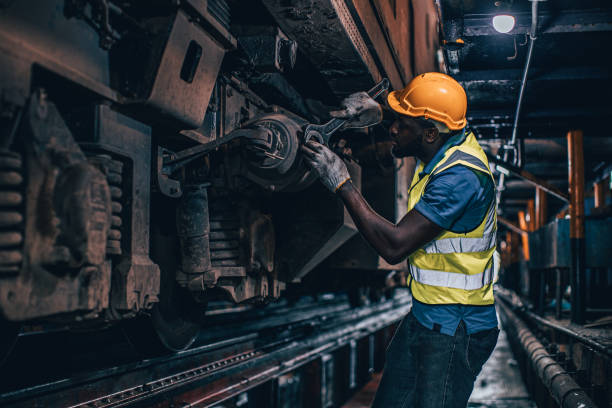
When machinery or vehicles develop a fault, corrective maintenance mechanics are responsible for finding the cause, repairing the problem and getting the equipment safely back into operation. Unlike preventive maintenance, which is planned before a failure occurs, corrective maintenance usually responds to an identified fault or breakdown.
For technicians searching for corrective maintenance mechanic jobs, employers typically value strong troubleshooting skills, practical repair experience and the ability to work efficiently when equipment is unavailable.
What Does a Corrective Maintenance Mechanic Do?
A corrective maintenance mechanic investigates equipment problems and carries out the necessary repairs.
Typical duties include:
- Diagnosing mechanical faults
- Responding to equipment breakdowns
- Repairing or replacing damaged components
- Dismantling and reassembling machinery
- Troubleshooting mechanical systems
- Repairing pumps, motors, bearings and drive systems
- Working on hydraulic and pneumatic equipment
- Carrying out emergency repairs
- Testing equipment after repairs
- Recording maintenance activities
The job can involve anything from replacing a failed bearing on a production machine to repairing a vehicle that has developed a mechanical fault.
Why Troubleshooting Skills Matter
Corrective maintenance is not simply about replacing a broken component. A technician needs to determine why the component failed.
For example, if a machine repeatedly damages its bearings, replacing the bearing without investigating alignment, lubrication, vibration or loading could result in another failure shortly afterwards.
A good mechanic therefore checks the wider system before completing the repair.
Skills Employers Look For
Employers may look for technicians with experience in:
- Mechanical fault diagnosis
- Equipment repairs
- Preventive and corrective maintenance
- Hydraulic systems
- Pneumatic systems
- Motors and pumps
- Bearings and gearboxes
- Mechanical alignment
- Welding and fabrication
- Electrical troubleshooting
- Technical drawing interpretation
- Maintenance documentation
Experience with diagnostic equipment and industrial machinery can also make a candidate more competitive.
Where Can Corrective Maintenance Mechanics Work?
Potential employers include:
- Manufacturing companies
- Industrial plants
- Construction companies
- Transport businesses
- Logistics companies
- Fleet maintenance operations
- Heavy-equipment companies
- Food-processing businesses
- Equipment service companies
- Automotive workshops
A mechanic working in a factory may respond to production equipment failures, while a fleet mechanic may handle unexpected vehicle breakdowns.
Corrective Maintenance in Vehicle Fleets
Transport and logistics companies depend on vehicles being available every day. When a vehicle develops a serious fault, a corrective maintenance mechanic may need to diagnose the problem quickly and determine whether the vehicle can be repaired immediately or requires workshop attention.
Common problems can involve:
- Engine systems
- Brakes
- Suspension
- Transmission
- Cooling systems
- Electrical systems
- Starting and charging systems
Strong diagnostic skills can help reduce unnecessary downtime.
What Should You Put on Your CV?
When applying for corrective maintenance mechanic jobs, focus on your actual repair experience.
Include:
- Years of mechanical experience
- Equipment or vehicles you have worked on
- Breakdown-repair experience
- Diagnostic equipment you can use
- Mechanical and electrical skills
- Hydraulic and pneumatic experience
- Welding or fabrication skills
- Preventive maintenance experience
- Technical qualifications
- Previous employers
If you have experience responding to urgent breakdowns, mention specific examples of the types of faults you have resolved.
Applications and CV Submission
Candidates interested in corrective maintenance mechanic opportunities should prepare an updated CV highlighting their mechanical repair, troubleshooting and maintenance experience.
Applications and CVs should be sent to jobs@wigmoretrading.com.
Use Corrective Maintenance Mechanic Application as the email subject and include your current phone number, qualifications and relevant work experience in your CV.
Preparing for the Interview
An employer may present a breakdown scenario and ask how you would approach it.
You could be asked how you would:
- Diagnose a machine that suddenly stops working.
- Identify the cause of repeated component failure.
- Repair a damaged mechanical assembly.
- Troubleshoot a hydraulic or pneumatic fault.
- Respond to an urgent production breakdown.
- Decide whether to repair or replace a component.
- Test equipment after completing a repair.
Explain your process logically. Employers want technicians who can find the root cause rather than repeatedly fixing the same symptom.
Building a Career in Corrective Maintenance
Corrective maintenance experience can provide a strong foundation for careers in industrial maintenance, fleet maintenance, equipment reliability and technical supervision.
Developing additional skills in electrical systems, automation, diagnostics, hydraulics and predictive maintenance can help a mechanic progress into more specialised technical positions.
For anyone searching for corrective maintenance mechanic jobs, practical repair experience, systematic troubleshooting and the ability to restore equipment safely and efficiently can make your CV more competitive.
