


Factories, construction companies, logistics operators and other businesses rely on machinery that has to keep running consistently. When a production machine breaks down, even a few hours of downtime can affect output, deliveries and operating costs. This creates opportunities for technicians with practical experience in machinery repair jobs in Nigeria.
Current Nigerian vacancies include mechanical technicians responsible for operating, maintaining and troubleshooting production machinery, as well as machine technicians handling preventive, corrective and breakdown maintenance.
What Does a Machinery Repair Technician Do?
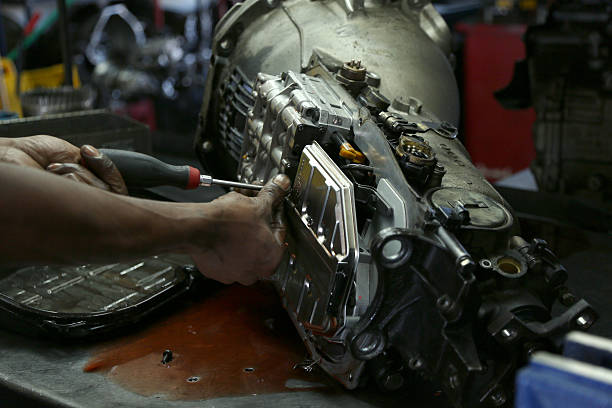
A machinery repair technician identifies faults, repairs damaged components and helps keep industrial equipment operating safely.
Typical responsibilities include:
- Diagnosing mechanical faults
- Repairing production machinery
- Carrying out preventive maintenance
- Responding to equipment breakdowns
- Replacing worn or damaged components
- Installing and aligning machinery
- Troubleshooting hydraulic and pneumatic systems
- Inspecting machines for potential failures
- Using maintenance tools and measuring equipment
- Keeping maintenance and repair records
Depending on the workplace, technicians may work on conveyors, pumps, motors, packaging machines, mixers and other production equipment.
What Skills Do Employers Look For?
Employers generally want technicians who can identify the cause of a breakdown rather than simply replace parts.
Useful skills include:
- Mechanical troubleshooting
- Preventive and corrective maintenance
- Hydraulic systems
- Pneumatic systems
- Bearings and gear systems
- Motors and drive systems
- Machine alignment
- Welding and fabrication
- Reading mechanical drawings
- Use of workshop and measuring tools
- Basic electrical troubleshooting
Current Nigerian machinery-related vacancies specifically mention mechanical, hydraulic, pneumatic and electrical troubleshooting, as well as the ability to read technical drawings.
Manufacturing Experience Can Give You an Advantage
Manufacturing companies depend heavily on equipment uptime, so technicians with factory experience can be particularly useful.
A typical shift might involve inspecting machinery before production, responding to a conveyor failure, replacing a worn bearing, correcting machine alignment and recording the work completed.
Some current Nigerian positions require two to five years of experience in manufacturing environments and familiarity with production machines and mechanical systems.
Machinery Repair Is More Than Fixing Breakdowns
Good maintenance technicians also work to prevent breakdowns from happening in the first place.
Preventive maintenance can involve:
- Lubricating moving components
- Checking belts and bearings
- Inspecting gears
- Checking hydraulic pressure
- Inspecting pneumatic lines
- Tightening loose connections
- Monitoring abnormal noise or vibration
- Replacing components before failure
This approach can help companies reduce unexpected downtime and extend equipment life.
Where Can Machinery Repair Technicians Work?
Potential employers include:
- Manufacturing companies
- FMCG businesses
- Construction companies
- Logistics companies
- Industrial plants
- Mining operations
- Food-processing companies
- Packaging companies
- Equipment maintenance businesses
- Material-handling operations
There are also field-service roles where technicians travel to customer sites to maintain heavy-duty and material-handling equipment.
What Should You Put on Your CV?
When applying for machinery repair jobs in Nigeria, make your CV specific about the equipment you can maintain and repair.
Include:
- Years of mechanical experience
- Types of machinery you have worked on
- Preventive maintenance experience
- Breakdown repair experience
- Hydraulic and pneumatic skills
- Welding and fabrication skills
- Diagnostic tools you can use
- Ability to read technical drawings
- Relevant technical qualifications
- Previous employers or industrial experience
If you have worked with production lines, conveyors, pumps, compressors or packaging machines, list those systems specifically.
Applications and CV Submission
Candidates interested in machinery repair opportunities should prepare an updated CV highlighting their mechanical maintenance, troubleshooting and equipment-repair experience.
Applications and CVs should be sent to jobs@wigmoretrading.com.
Use Machinery Repair Technician Application as the email subject and include your current phone number, qualifications and relevant work experience in your CV.
Preparing for the Interview
A technical interview may involve practical machinery breakdown scenarios.
You could be asked how you would:
- Diagnose a machine that suddenly stops during production.
- Identify the cause of abnormal machine vibration.
- Troubleshoot a hydraulic failure.
- Repair a conveyor or drive system.
- Determine whether a component should be repaired or replaced.
- Carry out preventive maintenance.
- Make machinery safe before beginning repairs.
Be ready to explain your troubleshooting process step by step. Employers want technicians who can identify the root cause and prevent the same failure from repeatedly occurring.
Building a Career in Machinery Repair
Machinery repair technicians can progress into roles such as maintenance supervisor, mechanical technician, field service technician or maintenance engineer. Developing additional skills in automation, electrical systems, hydraulics, pneumatics and predictive maintenance can make a technician more valuable.
For anyone searching for machinery repair jobs in Nigeria, strong hands-on experience, systematic troubleshooting and knowledge of industrial equipment can make your CV stand out.
