


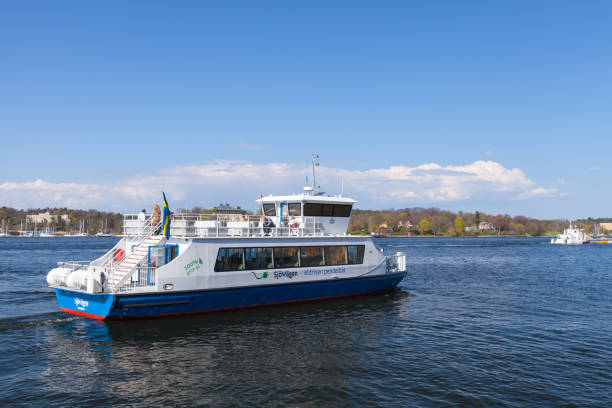
Urban water mobility Lagos is becoming an important part of the city’s plans to create a more connected, sustainable and efficient public transportation system. With extensive waterways and persistent road congestion, Lagos is increasingly looking to its lagoon and inland waterways as another way to move commuters across the city.
The Omi Eko Project is at the centre of this transformation, with plans for a structured urban water transport network supported by electric ferries, modern terminals and improved waterways infrastructure. In June 2026, the European Investment Bank announced €170 million in financing for the project.
What Is Urban Water Mobility?
Urban water mobility refers to using waterways as part of a city’s public transportation network.
In Lagos, this includes:
- Passenger ferries
- Commuter boats
- Electric ferries
- Ferry terminals and jetties
- Water-to-road connections
- Digital ticketing
- Water transport for daily commuting
- Water-based tourism and commercial transportation
Rather than treating water transportation as a separate service, the goal is to integrate it with road and rail transportation.
Omi Eko and Lagos Urban Mobility
The Omi Eko Project is designed to transform Lagos’s waterways into a modern mass-transit system.
The project plans to establish 15 structured ferry routes covering 140 kilometres, upgrade or expand 25 ferry terminals, and introduce 75 electric vessels capable of carrying up to 440 passengers each.
The project is intended to improve connectivity, reduce travel times and provide more accessible transportation for communities located around Lagos’s waterways.
Electric Ferries in Lagos
Electric ferries are one of the most significant features of the future urban water mobility system.
The planned vessels will operate using electric power, helping reduce greenhouse-gas emissions and water pollution compared with conventional fossil-fuel-powered vessels. The project also includes infrastructure for passenger stations, jetties and vessel maintenance.
This could make Lagos one of the leading African cities to incorporate electric passenger ferries into a large-scale urban transport network.
Water Transport as an Alternative to Road Traffic
One of the major reasons for developing urban water mobility is to give commuters an alternative to congested roads.
A passenger could travel:
Home → Bus or car → Ferry terminal → Electric ferry → Arrival terminal → Bus or other transport → Destination
This type of journey allows commuters to use the waterways for the part of their trip where road congestion is most severe.
The Omi Eko project is expected to improve journey times and provide time and cost savings for commuters.
Modern Ferry Terminals
Urban water mobility requires more than boats.
Modern terminals and jetties are necessary to provide safe boarding, passenger facilities, ticketing systems and connections with other forms of transportation.
Omi Eko includes the development and upgrading of 25 ferry terminals, with the wider project incorporating passenger stations, jetties and supporting infrastructure.
Smart Water Transportation
Technology will also play an important role in Lagos’s future water mobility system.
The Omi Eko programme includes Intelligent Transport Systems for areas such as:
- Fare collection
- Passenger information
- Vessel control
- Transport operations
This can make ferry services easier to plan and more closely connected to the rest of Lagos’s public transportation network.
Connecting Water, Road and Rail
The future of urban mobility in Lagos is expected to be multimodal.
A commuter may use a bus to reach a ferry terminal, travel by water and then connect to another road or rail service.
The Omi Eko project is designed to support intermodal connectivity, allowing water transportation to complement rather than operate separately from other public transport services.
Benefits of Urban Water Mobility
A stronger water transport network could provide several benefits for Lagos.
Reduced Road Congestion
Moving more passengers through waterways can reduce pressure on heavily congested road corridors.
Faster Journeys
Ferries can bypass sections of road traffic, potentially reducing commuting times on suitable routes.
Cleaner Transportation
Electric vessels can reduce greenhouse-gas emissions and water pollution.
Better Access for Waterfront Communities
Modern ferry routes can connect communities that may have limited access to convenient road transportation.
Economic Opportunities
Expanded water transportation can support jobs and businesses in ferry operations, marine services, maintenance, tourism and related industries.
The Future of Urban Water Mobility in Lagos
The Omi Eko Project is intended to significantly increase the role of water transportation in Lagos. The European Investment Bank says the project aims to increase the share of waterborne transport from less than 1% currently to up to 8% by 2032.
In July 2026, Lagos also commenced the Project Management, Operations and Design consultancy phase for Omi Eko, marking another step towards implementation.
This points towards a future in which ferries are not simply an occasional alternative to road transportation but an integrated component of Lagos’s urban mobility network.
How Travo.ng Can Help
Travo.ng can help coordinate urban water transportation in Lagos, including ferry journeys, passenger transfers and multimodal travel arrangements where available.
Customers can provide their:
- Pickup location
- Destination
- Travel date
- Preferred departure time
- Number of passengers
- One-way or return requirement
This makes it easier to plan a journey that combines water transportation with other available transport options.
Why Choose Travo.ng?
Travo.ng can simplify transportation planning by helping customers coordinate different parts of their journey.
Whether you need a daily ferry commute, passenger transfer, business transportation or a road-to-water connection, Travo.ng can help organise the journey according to your requirements.
Urban Water Mobility in Lagos
Lagos is moving towards a future where its waterways play a much larger role in everyday transportation. Through Omi Eko, electric ferries, modern terminals, intelligent transport systems and multimodal connections, the city is working to make water transportation safer, cleaner and more accessible.
As the project progresses, urban water mobility could help Lagos reduce road congestion, improve access to waterfront communities and provide commuters with a more sustainable way to travel across the city.
Travo.ng can help coordinate urban water mobility solutions in Lagos according to your route, schedule and passenger requirements.
