


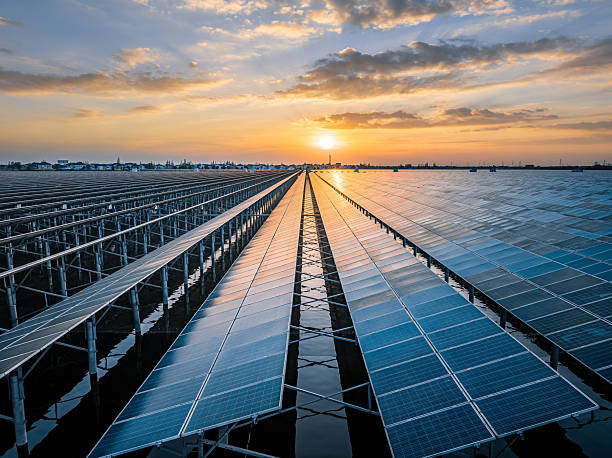
A Solar power purchase agreement in Nigeria is becoming a practical option for businesses that want dependable electricity without paying the full cost of a solar installation upfront.
For many Nigerian businesses, electricity is no longer a small operating expense. Diesel purchases, generator servicing, fuel shortages and unpredictable grid supply can affect everything from production schedules to customer service. A solar power purchase agreement, commonly called a solar PPA, offers another way to secure power while spreading the financial responsibility over a longer period.
Instead of buying the entire solar system, a business typically agrees to purchase the electricity generated by a solar installation at an agreed rate.
How a Solar PPA Usually Works in Nigeria
Under a typical arrangement, a solar energy provider installs and operates solar panels and related equipment at a customer’s premises.
The customer pays for the electricity generated rather than purchasing the equipment immediately.
For example, a warehouse in Ikeja that runs refrigeration equipment, computers, lighting and security systems may require substantial daytime electricity. Installing a large solar system outright could require significant capital.
With a PPA arrangement, the business may be able to use solar-generated electricity while keeping more of its capital available for stock, equipment or expansion.
Agreement structures differ, so businesses should carefully review:
- Electricity pricing
- Contract duration
- Minimum energy purchase requirements
- System maintenance responsibilities
- Equipment ownership
- Payment terms
- Performance expectations
- Procedures for ending or renewing the agreement
These details matter more than simply choosing the lowest advertised electricity rate.
Businesses That Can Gain the Most From Solar PPAs
Solar PPAs generally make the most sense where electricity consumption is regular and predictable.
A supermarket operating from morning until late evening, for instance, may use electricity continuously for refrigeration, air conditioning, lighting and payment systems.
Other businesses that may benefit include:
- Hotels and serviced apartments
- Warehouses
- Manufacturing facilities
- Schools
- Hospitals and clinics
- Shopping complexes
- Offices
- Restaurants
- Cold storage facilities
Companies with heavy daytime electricity demand can often make better use of solar generation because panels produce most of their electricity during daylight hours.
Compare the Agreement With Your Current Energy Costs
Before signing a Solar power purchase agreement in Nigeria, calculate what electricity is already costing the business.
Do not look only at the monthly diesel bill.
Include generator servicing, lubricant changes, replacement parts, fuel transportation, generator replacement costs and losses caused by power interruptions.
A Lagos business spending heavily on diesel every month may discover that its actual electricity cost is much higher than management initially assumed.
Once this figure is clear, it becomes easier to compare a proposed solar electricity rate with existing energy expenses.
Check Your Location Before Designing the System
The physical site can affect whether a proposed solar arrangement works properly.
A commercial building in Lekki may have enough roof space for hundreds of panels, while a crowded property on Lagos Island could have limited installation space.
Installers normally need to consider issues such as available roof area, shading, structural strength, electricity consumption patterns and space for inverters or batteries.
Businesses operating rented premises should also confirm what modifications the landlord permits before committing to a long-term energy agreement.
Do Not Ignore Backup Power Requirements
Solar electricity does not automatically eliminate every power problem.
A business operating overnight may still require batteries, grid electricity or generator backup because solar panels primarily generate power during daylight hours.
That is why energy consumption should be studied before choosing the system.
A hotel in Abuja, for example, has a very different electricity profile from a warehouse that operates mainly between 8am and 6pm.
The most practical solution should reflect how the facility actually uses electricity.
Travo.ng Can Support Solar Energy Project Logistics
Installing commercial solar systems involves more than signing an agreement.
Panels, batteries, inverters, mounting equipment and other components must often be transported between warehouses, suppliers and installation sites.
Travo.ng can support businesses and project teams with cargo logistics, delivery coordination, vehicle hire and transport services required during solar installations.
For projects involving equipment movement from Lagos to Abuja, Port Harcourt, Ibadan or other Nigerian cities, organised transport planning can help reduce delays and prevent expensive equipment from being left at the wrong location.
Review the Contract Before Making a Long-Term Commitment
A solar PPA may run for several years, so businesses should understand exactly what they are signing.
Ask what happens if the property is sold, the company relocates or electricity demand changes significantly.
You should also understand who repairs faulty equipment, how system performance is measured and what happens when components require replacement.
A well-structured Solar power purchase agreement in Nigeria can help a business reduce dependence on generators while avoiding the financial pressure of purchasing a large solar system outright.
The important step is choosing an arrangement based on real electricity consumption, realistic operating requirements and clear contractual terms.
When equipment transportation and installation logistics are also properly coordinated, businesses can move from unreliable power arrangements toward a more predictable energy setup without creating unnecessary disruption to daily operations.
