


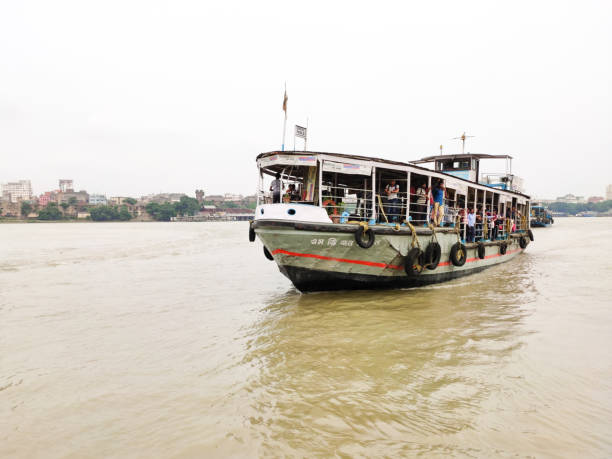
Omi Eko sustainable transport is Lagos State’s initiative to develop a cleaner, more efficient and more inclusive public water transportation system. The project is designed to reduce dependence on road transportation, improve mobility across Lagos waterways and support the state’s long-term environmental and urban development goals.
What Is Omi Eko Sustainable Transport?
Omi Eko is a sustainable inland waterway transportation project focused on creating a modern ferry network across Lagos.
The project is designed to establish 15 structured ferry routes covering approximately 140 kilometres of waterways, connecting 25 ferry terminals and jetties. It also includes a fleet of electric-powered passenger vessels and supporting infrastructure.
Why Is Omi Eko Considered Sustainable?
Omi Eko is designed around several principles of sustainable transportation, including cleaner energy, efficient public transport and improved access to mobility.
The project aims to:
- Reduce greenhouse gas emissions
- Reduce air pollution
- Reduce water pollution
- Improve energy efficiency
- Encourage public transportation
- Reduce road congestion
- Improve passenger safety
- Support more inclusive urban mobility
The European Union describes the project as supporting greener, more inclusive and climate-resilient urbanisation in Lagos.
Electric Ferries and Cleaner Transportation
Electric ferries are one of the most important features of Omi Eko.
The project includes approximately 75 electric vessels, with each vessel designed to carry up to 440 passengers. Using electric propulsion is expected to significantly reduce greenhouse gas emissions and air and water pollution compared with conventional fuel-powered vessels.
Omi Eko and Reduced Road Congestion
Lagos is heavily dependent on road transportation, which contributes to congestion and long commuting times.
By moving more passengers onto waterways, Omi Eko is intended to provide an alternative transportation option for people travelling between communities connected by water.
This shift from road transportation to public water transportation can help reduce pressure on major road corridors while providing another option for daily commuters.
Sustainable Ferry Terminals
Sustainability is not limited to the vessels themselves.
The Omi Eko project includes the development and upgrading of 25 ferry terminals and jetties. Some facilities are planned to include power generation and electric charging infrastructure to support the electric ferry network.
The terminals are also intended to connect water transportation with other public transport modes, creating a more integrated mobility system.
Omi Eko and Climate-Friendly Mobility
The project forms part of Lagos’s wider effort to develop low-carbon and climate-resilient transportation.
The Omi Eko programme is intended to improve energy efficiency, reduce local pollution and greenhouse gas emissions and provide convenient access to public transportation for different groups of residents.
Sustainable Transport for Lagos Commuters
Daily commuters can benefit from a water transportation system that provides an alternative to road travel.
Omi Eko is expected to support transportation for:
- Workers
- Students
- Business travellers
- Local residents
- Tourists
- Other daily passengers
A reliable ferry network can make public transportation more accessible to people living and working around Lagos waterways.
Omi Eko and Sustainable Tourism
Cleaner ferry transportation can also support tourism in Lagos.
Visitors can use water transportation to reach suitable waterfront destinations while experiencing a transportation system designed around lower-emission technology.
Improved ferry terminals and better route organisation can also make water-based tourism easier to coordinate.
Omi Eko and Sustainable Urban Development
The Omi Eko project is part of a broader approach to sustainable urban mobility in Lagos.
Rather than relying entirely on road infrastructure, the project uses the city’s extensive waterways as part of the public transportation network.
This approach can help Lagos make better use of its natural waterways while creating additional transportation connections between communities.
Is Omi Eko Fully Operational?
The Omi Eko project is still being implemented.
In July 2026, Lagos State commenced the Project Management, Operations and Design Consultancy phase, supporting the development of the project’s operational and technical framework.
Therefore, the full sustainable ferry network should not yet be treated as a completely operational city-wide system.
Environmental Benefits of Omi Eko
The project is expected to provide several environmental benefits, including:
- Lower transport-related emissions
- Reduced air pollution
- Reduced water pollution
- Greater use of electric propulsion
- More efficient public transportation
- Reduced dependence on road travel
The wider project is designed to support a lower-carbon transportation system for Lagos.
How Travo.ng Can Help
Travo.ng can help coordinate water transportation and sustainable mobility arrangements in Lagos where suitable routes and operators are available.
Passengers can provide their departure location, destination, travel date, passenger numbers and preferred departure time to help identify an appropriate ferry transportation option.
Plan Your Sustainable Water Journey
Omi Eko represents a major step towards sustainable water transportation in Lagos. Through electric ferries, upgraded terminals, structured waterways and improved public transport connections, the project aims to make mobility cleaner, more efficient and more accessible.
As implementation continues, passengers should confirm the current operating status of specific routes and services before making travel arrangements.
Travo.ng can help coordinate Lagos water transportation based on your route, schedule, passenger numbers and travel requirements.
