


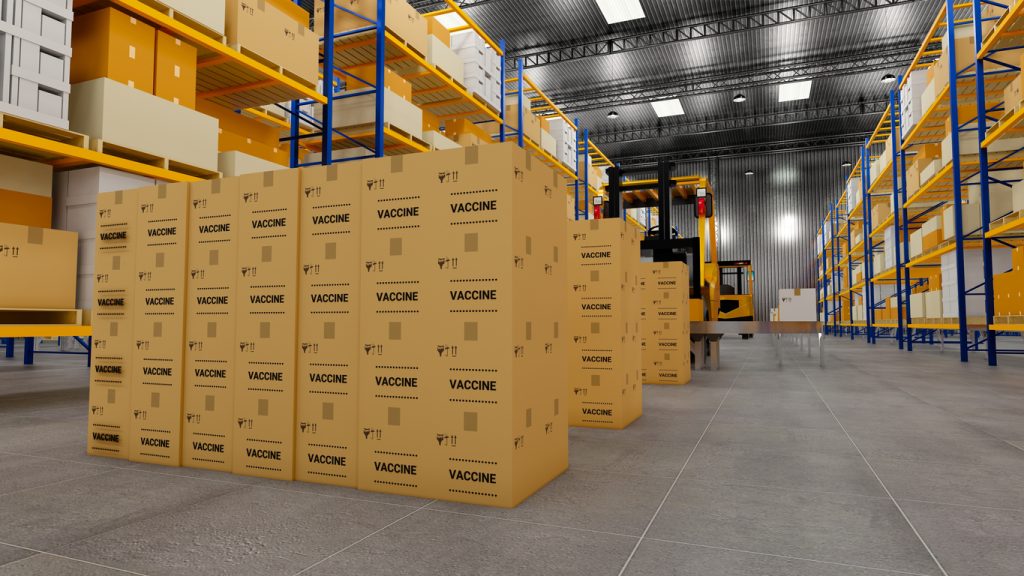
Finding a reliable Smart warehouse for food Lagos is becoming increasingly important for food distributors, supermarkets, restaurants, importers, and growing e-commerce businesses. Food storage in Lagos is not simply about finding an empty warehouse and moving cartons inside. Temperature, humidity, stock rotation, power supply, delivery timing, and inventory visibility can all affect whether food reaches customers in good condition.
This becomes even more important when products are perishable or sensitive to heat. A shipment arriving at Apapa, for example, may need to be moved quickly into proper storage before Lagos traffic or unloading delays affect product quality.
Travo.ng helps businesses coordinate food storage, cargo movement, delivery, and distribution so goods can move through Lagos with fewer avoidable delays.
What a Smart Food Warehouse Should Actually Handle
A modern food warehouse should provide more than physical storage space. Businesses need to know what stock they have, where it is located, and when products should leave the facility.
Depending on the type of food being stored, an effective warehouse operation may include:
- Inventory monitoring and stock records
- Batch and expiry-date tracking
- First-expiry-first-out stock rotation
- Cold or temperature-controlled storage
- Loading and dispatch coordination
- Delivery scheduling
- Secure handling of packaged food
- Regular stock reconciliation
For a distributor handling beverages, packaged foods, frozen products, or supermarket supplies, these systems reduce the risk of discovering expired or damaged stock after significant money has already been lost.
Lagos Heat and Power Supply Cannot Be Ignored
Food storage conditions in Lagos require careful planning. Temperatures can rise quickly inside poorly ventilated warehouses, especially during the hotter parts of the year.
Products such as frozen foods, dairy items, meat, seafood, vegetables, and certain beverages may require controlled temperatures throughout storage and transportation.
Cold storage facilities also need dependable power arrangements. Businesses should ask how refrigeration is maintained during grid outages and what backup systems are available.
A smart warehouse should also have monitoring systems capable of identifying temperature changes before they become serious enough to damage inventory.
Warehouse Location Can Affect Your Delivery Costs
Choosing the cheapest warehouse is not always the cheapest logistics decision.
A business making daily deliveries around Ikeja, Maryland, Yaba, Surulere, and Lagos Island may spend considerably more on transportation if its stock is stored far outside its main delivery area.
The same applies to businesses receiving imported goods through Apapa or Tin Can Island.
Before selecting a smart warehouse for food in Lagos, consider:
- Where most products arrive from.
- Where most customers are located.
- How frequently stock leaves the warehouse.
- Whether deliveries happen during peak traffic periods.
- What types of vehicles are needed for distribution.
The right warehouse location can shorten delivery routes and reduce unnecessary fuel and driver hours.
How Food Businesses Can Reduce Stock Losses
One common warehouse problem is poor stock rotation.
If newer cartons are dispatched while older stock remains behind, products with shorter expiry periods may eventually become unsellable. This is especially costly for businesses handling large quantities of packaged foods.
Proper inventory management should make it easy to identify stock by arrival date, batch number, and expiry date.
Regular physical checks are still important. Technology improves visibility, but warehouse teams must also confirm that recorded stock matches what is physically available.
Businesses moving food between warehouses, retail outlets, restaurants, and customers can also use Travo.ng for cargo logistics and delivery coordination.
Plan Distribution Before the Warehouse Starts Filling Up
Storage and delivery should not be treated as separate problems.
Imagine a food distributor bringing several truckloads of products into Lagos ahead of Christmas. Demand may increase quickly, but traffic around major commercial areas also becomes heavier.
Without a dispatch plan, goods can sit in storage while customers wait for replenishment.
A better approach is to plan:
- Expected inbound quantities
- Storage capacity
- Fast-moving products
- Daily delivery volumes
- Vehicle requirements
- Priority customer locations
This helps prevent warehouse congestion and makes last-mile distribution easier to manage.
Moving Food From Storage to Customers
The final stage is often where an otherwise good warehouse operation struggles.
A restaurant may need ingredients early in the morning. A supermarket may require replenishment before a weekend rush. A distributor may need multiple drops across Lekki, Victoria Island, Ikeja, and other parts of Lagos.
That requires proper transport coordination rather than simply calling a vehicle when stock is ready.
Travo.ng can support businesses with cargo movement, courier and delivery services, vehicle coordination, and wider business logistics requirements. This allows companies to connect warehousing with practical movement of goods to their customers.
Choosing the Right Smart Warehouse for Food Lagos
Before committing to a facility, inspect how the warehouse operates rather than relying only on photographs or advertised capacity.
Ask about temperature management, stock tracking, security, pest control, backup power, loading procedures, access for delivery vehicles, and how quickly goods can be dispatched.
A good Smart warehouse for food Lagos should ultimately help your business protect inventory and move products efficiently.
With Travo.ng, businesses can coordinate storage-related logistics, cargo transportation, and deliveries across Lagos and other Nigerian cities, creating a smoother supply chain from arrival to final distribution.
