


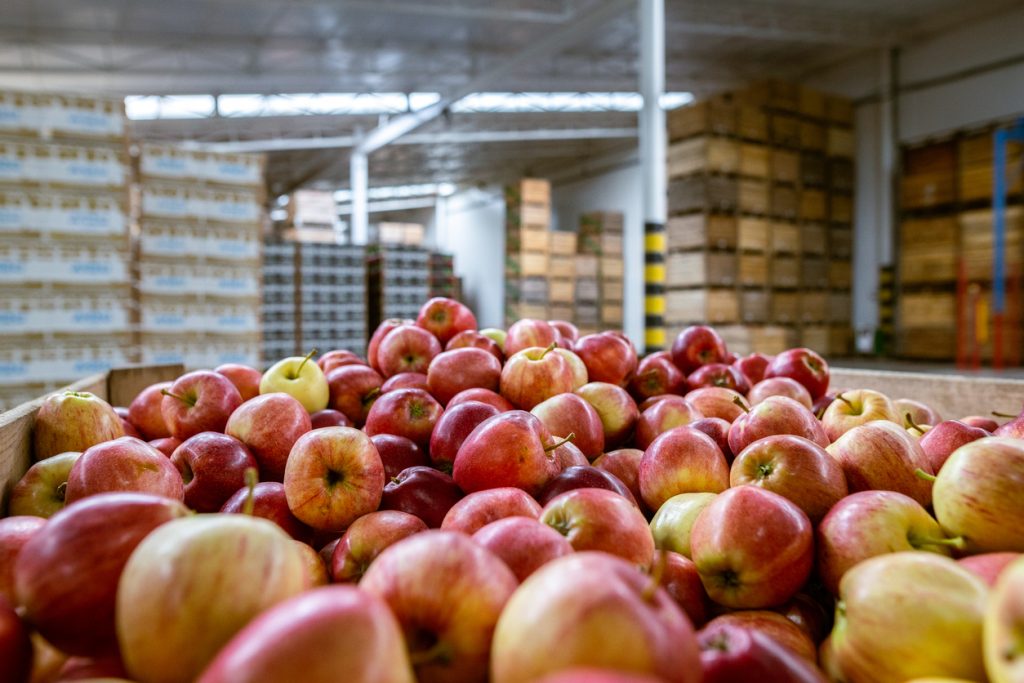
Finding reliable storage for growing food business Lagos becomes a serious operational issue once your business moves beyond a few cartons kept in a shop, kitchen, or spare room. More stock means more pressure on space, inventory control, deliveries, and product handling.
This is common for food distributors, online grocery sellers, restaurants, caterers, packaged food brands, importers, and wholesalers operating around Lagos. A business may start comfortably from Surulere or Yaba, then suddenly need to hold supplies for customers across Lekki, Ikeja, Victoria Island, or the mainland.
At that stage, the right storage arrangement can make daily operations much easier.
When Your Current Storage Space Is No Longer Enough
One clear warning sign is when new stock arrives before existing products have moved out.
Boxes begin blocking walkways, products become difficult to count, and staff waste time searching for specific items. For food businesses, poor organisation can also increase the risk of damaged packaging, expired products, contamination, or unnecessary stock losses.
A growing business should consider external storage when:
- Bulk purchases are becoming more frequent
- Customer orders are increasing
- Stock is being kept in unsuitable residential spaces
- Deliveries are delayed because products are difficult to locate
- The business needs separate space for different product categories
- Seasonal demand requires temporarily holding more inventory
The aim is not simply to rent a bigger room. Your storage arrangement should support how products enter, stay, and leave your operation.
Choose Storage Based on the Food You Actually Sell
Not every food product requires the same environment.
Packaged noodles, beverages, canned products, flour, cereals, and sealed dry foods normally have different requirements from frozen meat, dairy products, fresh vegetables, or seafood.
Before booking warehouse space, confirm whether your products require:
- Dry storage
- Temperature-controlled storage
- Cold rooms or frozen storage
- Shelving or pallet space
- Short-term overflow storage
- Regular loading and dispatch access
A business selling packaged snacks across Lagos, for example, may mainly need clean, dry and organised warehouse space. A frozen food distributor will have much stricter temperature requirements.
Understanding this difference prevents businesses from paying for unsuitable space or risking valuable inventory.
Location Can Affect Your Delivery Costs Every Day
Storage location matters almost as much as the warehouse itself.
Imagine a business making frequent deliveries to Lekki, Ajah and Victoria Island while keeping stock far outside its main customer area. Every dispatch may involve additional fuel, driver time and Lagos traffic.
The reverse also applies. A company supplying retailers around Ikeja, Agege, Ogba and Maryland may find mainland storage more practical than keeping inventory deep on the Island.
When evaluating storage for growing food business Lagos, look beyond the monthly storage charge. Consider how often vehicles will collect goods and where most orders are going.
A slightly more expensive facility in a practical location can sometimes reduce total logistics expenses.
Build Storage and Delivery Around the Same Operation
One mistake growing businesses make is arranging warehousing separately from transportation.
The warehouse may be available, but every dispatch becomes another problem: finding a vehicle, coordinating a driver, loading the goods and confirming delivery.
Travo.ng can support businesses that need storage combined with practical logistics services. Depending on the operation, this can include cargo movement, courier services, delivery coordination, vehicle hire and business logistics support.
For example, a packaged food supplier can hold stock and arrange scheduled distribution to shops rather than organising transport from scratch whenever a retailer places an order.
Keep Better Records as Your Stock Volume Increases
Once dozens or hundreds of cartons are moving through storage, memory is no longer a reliable inventory system.
Record what enters the facility, quantities dispatched, remaining stock, damaged items and products approaching expiry.
Food businesses should also follow first-expiry-first-out practices where appropriate. Stock with the closest expiry dates should usually be dispatched before newer batches.
Good inventory discipline reduces waste and makes it easier to know when another purchase is actually necessary.
Plan Extra Space Before Busy Sales Periods
Demand can increase sharply around Christmas, Ramadan, Easter, weddings, corporate events and other high-volume periods in Lagos.
Waiting until your warehouse is completely full before searching for additional space can create unnecessary pressure.
Growing businesses should forecast expected orders and arrange temporary or longer-term capacity early.
Travo.ng can help coordinate suitable storage and movement of goods as your operation expands. Instead of allowing limited space to slow down sales, you can build a storage and delivery structure that grows alongside your food business.
The right setup keeps stock organised, makes dispatch easier and gives your team more room to focus on selling and serving customers across Lagos.
