


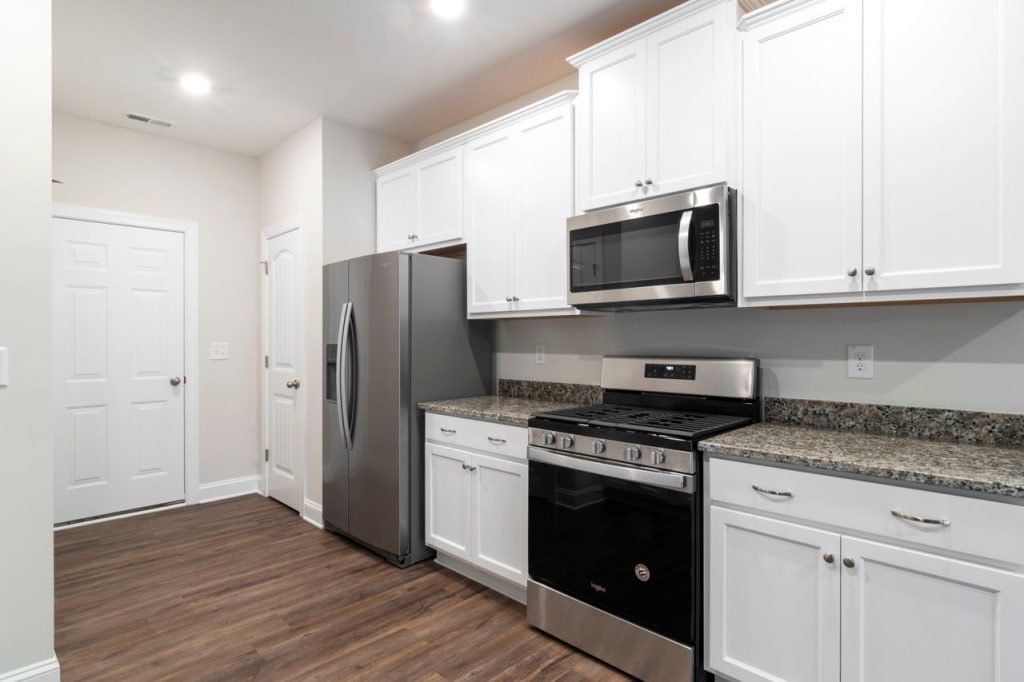
Running a central kitchen in Lagos involves more than preparing food in large quantities. Restaurants, catering companies, hotels, cloud kitchens and food vendors also need somewhere reliable to keep ingredients, packaging materials and finished products before distribution. This is where Central kitchen storage Lagos becomes an important part of daily operations.
Storage problems can quickly disrupt a food business. Fresh ingredients may arrive before there is enough space for them, packaging materials can block preparation areas, and finished orders may need temporary holding before drivers begin deliveries. With proper storage and transport coordination, businesses can keep their kitchen organised while reducing unnecessary delays.
What a Central Kitchen Actually Needs to Store
Central kitchens normally handle larger quantities than individual restaurant branches. A business supplying meals to outlets in Lekki, Ikeja and Victoria Island, for example, may receive several days’ worth of ingredients at once.
Depending on the operation, storage may be required for:
- Dry food ingredients and packaged products
- Bottled drinks and beverages
- Disposable food containers and takeaway packs
- Cooking supplies and non-perishable stock
- Cleaning materials kept separately from food
- Catering equipment and serving materials
- Finished packaged goods awaiting dispatch
Perishable products such as meat, dairy, seafood and some vegetables require suitable temperature-controlled facilities rather than ordinary warehouse space. Businesses should always confirm whether a facility can maintain the required temperature before sending sensitive stock there.
Lagos Traffic Makes Storage Location More Important
Choosing storage based only on price can create expensive transport problems.
A central kitchen operating around Lekki but using storage far outside its distribution area may spend more on vehicle movements than it saves on warehouse charges. During weekday traffic, a simple stock transfer across Lagos can take considerably longer than expected.
Location should therefore be considered alongside storage cost.
For kitchens serving customers around Lekki, Victoria Island and Ikoyi, access to major Island routes matters. Businesses supplying Ikeja, Maryland, Yaba or Surulere should similarly think about how easily vehicles can move between the storage point, kitchen and delivery destinations.
Travo.ng can help coordinate the movement of supplies between storage facilities, central kitchens and distribution locations.
How to Avoid Overstocking Your Kitchen
One common operational mistake is keeping every item inside the kitchen simply because it may be needed later.
That usually creates congestion.
Bulk cartons of takeaway packs, bottled drinks, sacks of dry ingredients and catering supplies can occupy valuable preparation space. A more practical arrangement is to keep immediate requirements inside the kitchen while storing reserve stock separately.
For example, if a catering business has enough packaging materials for three weeks but only needs one week’s supply on-site, the remaining cartons can stay in storage and be transferred when stock levels fall.
This approach makes stock counting easier and gives kitchen teams more working space.
Plan Storage Together With Delivery
Storage works better when it is connected to a clear movement schedule.
A central kitchen supplying several branches might arrange stock transfers early in the morning before heavy Lagos traffic develops. Another operation may consolidate ingredients into scheduled deliveries rather than sending vehicles to collect small quantities several times a day.
When arranging Central kitchen storage Lagos, businesses should consider:
- How often stock enters the facility.
- How quickly ingredients are consumed.
- Which items require refrigeration or freezing.
- How frequently stock must move back to the kitchen.
- What vehicle size is required for each transfer.
- Whether deliveries will continue to restaurant branches or customers.
These details help prevent unnecessary vehicle trips and last-minute shortages.
Moving Stock Between Storage and Your Kitchen
Reliable transport is just as important as having warehouse space.
Travo.ng can support food businesses with delivery services, cargo logistics and transport coordination when supplies need to move between warehouses, central kitchens, restaurant branches or other business locations.
For larger movements, vehicle requirements should be planned around the quantity and nature of the goods. A few cartons may only require a small delivery vehicle, while bulk kitchen supplies or equipment may need a van or larger vehicle.
Businesses moving temperature-sensitive products should also avoid leaving goods unnecessarily exposed during loading, traffic delays or unloading.
Building a More Reliable Lagos Food Operation
Good Central kitchen storage Lagos planning gives food businesses more control over inventory without turning valuable kitchen space into a warehouse.
The most effective arrangement usually combines suitable storage, sensible stock levels and dependable transport between the facility and the kitchen.
For restaurants, caterers, cloud kitchens and hospitality businesses that need help coordinating stock movement, Travo.ng can arrange practical logistics and delivery support across Lagos. With storage movements planned properly, kitchen teams can spend less time dealing with stock problems and more time preparing and distributing orders efficiently.
