


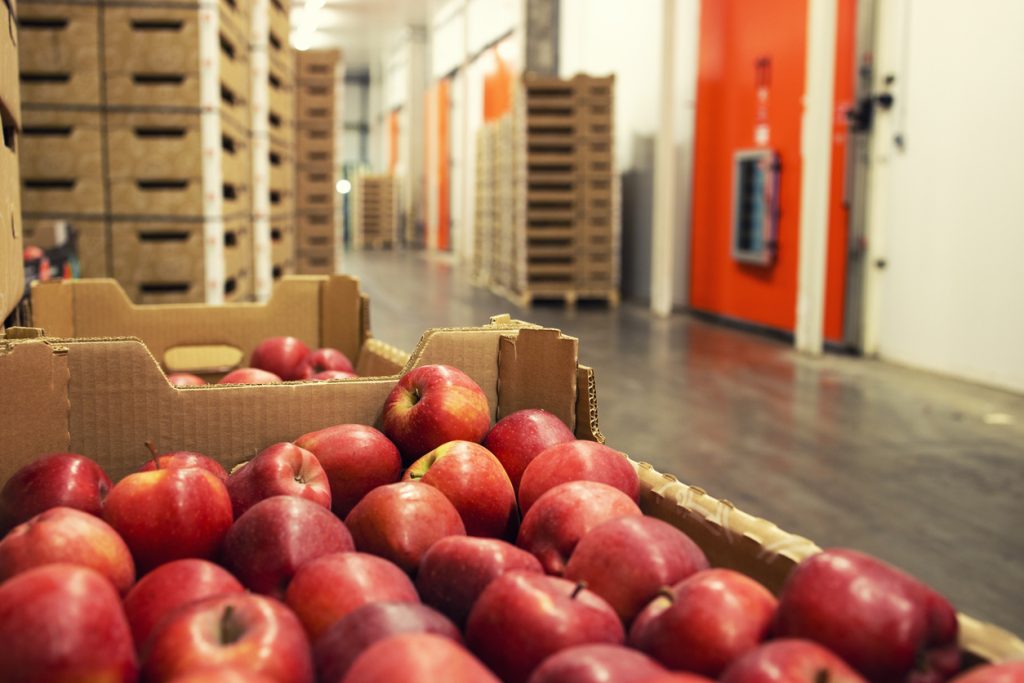
Finding dependable perishable goods storage Lagos is important when you are handling products that can lose quality within hours if temperature, ventilation, or handling conditions are poor. Fresh vegetables, frozen foods, dairy products, meat, seafood, medicines, and certain beverages all require more than an ordinary warehouse.
In Lagos, the challenge is not simply finding somewhere to keep goods. Businesses also have to think about unstable power supply, traffic delays, loading times, temperature control, and how quickly products can move from storage to customers.
For restaurants, supermarkets, food distributors, importers, caterers, and online grocery businesses, a proper storage arrangement can prevent costly spoilage.
What Perishable Goods Actually Need in Lagos
Different products require different storage conditions. Frozen chicken cannot be handled the same way as tomatoes, yoghurt, or fresh fish.
Before choosing a facility, confirm whether your goods require:
- Chilled storage
- Frozen storage
- Temperature-controlled warehousing
- Dry but ventilated storage
- Short-term holding before distribution
- Cold-chain transportation after storage
Temperature requirements should be agreed before goods arrive. A consignment that spends several hours waiting outside a cold room during unloading can already suffer quality deterioration even if it is eventually stored correctly.
This becomes particularly important for businesses receiving goods through Apapa, Tin Can Island, or logistics hubs around Ikeja before distributing them to areas such as Lekki, Victoria Island, Surulere, Yaba, and the Lagos Mainland.
How Long Can You Store Fresh and Frozen Products?
There is no single storage period for all perishables.
Some fresh produce may only need overnight or two-day storage before market distribution. Frozen foods can remain stored much longer when the required temperature is maintained consistently.
Businesses should plan storage according to their sales cycle rather than simply booking the cheapest space available.
For example, a caterer preparing for a large weekend event may only require cold storage for two or three days. An importer bringing frozen products into Lagos may need several weeks of storage while wholesalers collect their allocations.
Travo.ng can help coordinate storage together with cargo movement and delivery arrangements so that goods are not left sitting unnecessarily between different logistics providers.
Lagos Traffic Can Affect Your Cold Chain
One problem people underestimate is the journey after goods leave storage.
A refrigerated product might be perfectly preserved inside a facility but exposed to heat for several hours during transportation. Moving frozen or chilled products from Ikeja to Lekki during evening traffic, for example, requires better planning than moving ordinary cartons.
Dispatch timing matters.
For larger deliveries, early-morning movement can reduce time spent in traffic. Smaller deliveries may require insulated packaging or temperature-controlled vehicles depending on the product.
Businesses arranging perishable goods storage in Lagos should therefore consider storage and transportation as one continuous process rather than two separate jobs.
What Determines the Cost of Perishable Goods Storage?
Cold storage usually costs more than standard warehousing because refrigeration equipment, electricity, backup power, monitoring, and specialised handling all add to operating expenses.
Your final cost may depend on:
- Quantity or volume of goods
- Required temperature
- Number of days or weeks required
- Pallet, carton, or cubic-metre space
- Loading and unloading requirements
- Generator or backup-power arrangements
- Pickup and onward delivery
- Special handling requirements
A business storing a few cartons for 48 hours will normally have a different pricing structure from a distributor reserving several pallets for a month.
Ask for a quotation based on your actual quantity and storage duration rather than relying on a general warehouse rate.
Avoid Sending Goods Before Confirming Storage Conditions
A common mistake is transporting perishables before confirming that the receiving facility has available cold-room space.
During busy periods, especially around Christmas, Easter, Ramadan, major events, and festive food-distribution periods, suitable storage capacity can tighten quickly.
Before dispatching your goods, confirm the storage temperature, available capacity, receiving time, unloading arrangements, backup power, and collection procedure.
It is also wise to label cartons clearly and keep an inventory of quantities delivered into storage.
Arrange Perishable Goods Storage and Delivery With Travo.ng
Travo.ng helps businesses and individuals coordinate perishable goods storage Lagos together with related logistics requirements.
Depending on the shipment, support can include cold-storage coordination, cargo pickup, delivery services, transport planning, warehousing arrangements, and movement of goods to retailers, restaurants, businesses, or final customers.
Instead of arranging storage with one provider and then searching separately for transportation, businesses can organise the movement as one practical logistics process.
For food distributors, caterers, retailers, importers, and other businesses handling temperature-sensitive products, planning storage before the goods start moving is one of the simplest ways to reduce spoilage, avoid delays, and protect the value of every shipment.
