


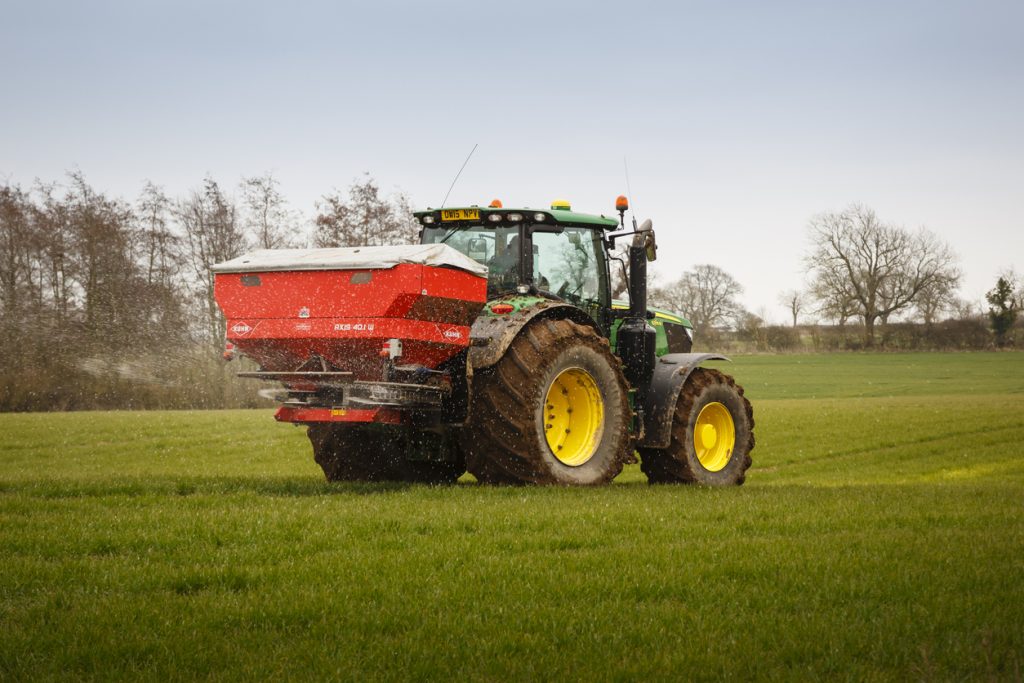
Fertilizer is one of the biggest recurring expenses for many commercial farms in Nigeria, but simply applying more fertilizer does not automatically produce a better harvest. Poor timing, unsuitable nutrient combinations, transportation delays and inconsistent application can all reduce the value farmers receive from what they spend.
This is where fertilizer optimization services become useful. The aim is to help farms use fertilizer more efficiently while coordinating the sourcing and movement of agricultural inputs so that the right products reach the farm when they are actually needed.
For farms operating outside major commercial centres, logistics is often just as important as choosing the fertilizer itself. Travo.ng can support the transport, cargo movement and delivery coordination required to move agricultural inputs from suppliers to farming locations across Nigeria.
What Fertilizer Optimization Actually Involves
Fertilizer optimization starts with understanding what a particular crop and soil require rather than applying the same quantity everywhere.
Depending on the farm, the process may consider:
- Soil nutrient conditions
- Crop type and expected yield
- Fertilizer formulation
- Application quantity
- Planting schedule
- Rainfall and irrigation conditions
- Previous fertilizer use
- Cost per hectare
A maize farmer in Kaduna, for example, may require a different nutrient programme from a vegetable farmer around Ogun State. Even two farms growing the same crop can have different fertilizer requirements because of soil conditions and previous farming activity.
Professional agronomic advice or soil testing should therefore guide fertilizer decisions.
Timing Can Be as Important as Quantity
One problem farmers regularly face is receiving agricultural inputs later than planned.
If fertilizer is supposed to arrive shortly before a scheduled application but the truck is delayed for several days, the farm may miss the best application window. During the rainy season, poor road conditions around rural farming communities can make the problem worse.
That is why fertilizer optimization services should also consider the supply chain.
For larger farms, fertilizer may need to move from warehouses or distributors in Lagos, Kano, Abuja or other commercial centres to farms several hundred kilometres away. Transport planning should account for road conditions, truck capacity, loading arrangements and the condition of the fertilizer during transit.
Travo.ng can help coordinate suitable cargo transport for these movements.
Calculating What the Farm Really Needs
Buying fertilizer without calculating actual requirements often results in either shortages or excess stock.
Before arranging delivery, farms should estimate:
- Total hectares being cultivated.
- Recommended application rate per hectare.
- Number of applications required.
- Quantity already available in storage.
- Additional quantity that must be purchased.
For example, if a 100-hectare farm requires four 50kg bags per hectare for a particular application, approximately 400 bags must be available for that stage of the farming cycle.
Calculating requirements before transport is booked also helps determine the appropriate vehicle size and reduces unnecessary multiple trips.
Moving Fertilizer to Farms Without Unnecessary Delays
Agricultural logistics can become complicated when farms are located far from major highways.
A supplier might deliver only to a city warehouse, leaving the farmer responsible for moving the goods to the final destination. Farms may therefore need a combination of interstate haulage and shorter local delivery arrangements.
When coordinating fertilizer transportation, confirm:
- Pickup location
- Number and weight of bags
- Farm delivery location
- Road accessibility
- Loading and unloading arrangements
- Required delivery date
- Whether covered transport is necessary
Fertilizer should also be protected from moisture during transportation and storage because damaged packaging or exposure to water can affect product quality.
Planning Fertilizer Deliveries Around the Farming Calendar
Waiting until fertilizer is urgently needed before arranging transport creates avoidable pressure.
Commercial farms are better served by planning input movement around planting and application schedules. During periods when many farms are buying fertilizer at the same time, transport availability can tighten and delivery costs may rise.
A farm expecting several fertilizer applications can arrange deliveries in batches rather than storing an entire season’s supply at once, provided reliable transport is available.
This approach can reduce storage pressure while keeping enough fertilizer available for upcoming field operations.
Using Travo.ng for Agricultural Input Logistics
Successful fertilizer optimization depends on more than deciding how much fertilizer to apply. Farmers also need reliable sourcing arrangements, realistic delivery planning and dependable transportation.
Travo.ng supports businesses and agricultural operators with cargo logistics, delivery services and transport coordination for moving goods across Nigeria. Farms can use these services to coordinate fertilizer pickups from suppliers, arrange interstate transportation and move other agricultural inputs to operational locations.
When fertilizer recommendations are combined with proper purchasing and logistics planning, farms can reduce unnecessary expenditure, avoid application delays and make better use of every delivery.
For farmers and agricultural businesses trying to improve their input planning, fertilizer optimization services should therefore cover the complete process—from determining what is required to ensuring the fertilizer reaches the farm at the right time.
