


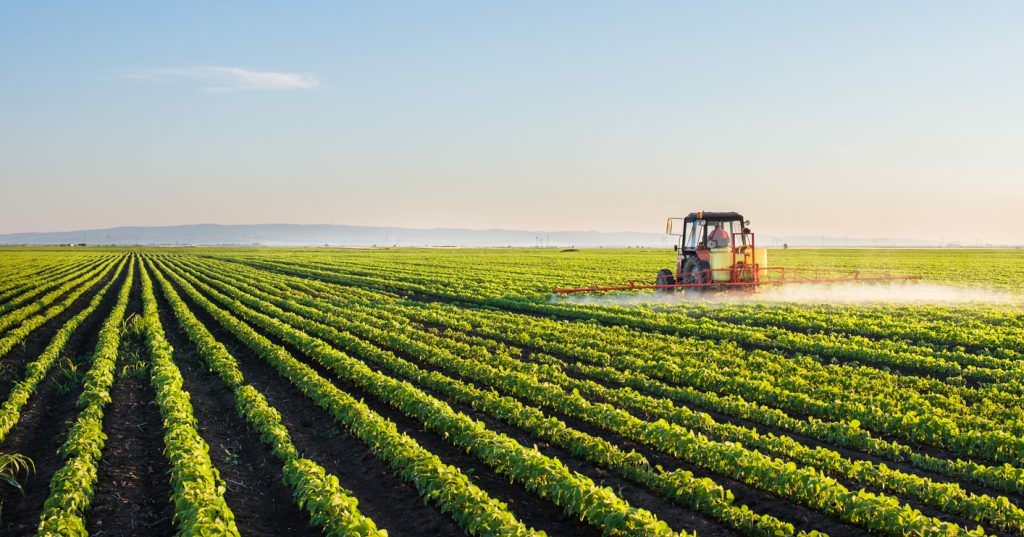
Choosing the best crops for my land is not simply about planting whatever is popular in the market. In Nigeria, the right crop depends on your soil type, rainfall pattern, location, access to water, available labour, and how easily harvested produce can reach buyers.
A crop that performs well on farmland around Benue may struggle on a dry plot in Kano. Likewise, land in Ogun State that supports cassava and maize successfully may require drainage work before vegetables can be grown commercially.
Before spending heavily on seeds, fertilizer, equipment, or transportation, it is worth understanding what your land can realistically support.
Start With the Soil Before Choosing a Crop
The first practical step is to check the soil rather than relying only on how fertile the land looks.
A basic soil test can reveal important information such as pH level, nutrient content, and whether the soil is predominantly sandy, clay, or loamy. These factors influence which crops will grow successfully.
For example:
- Cassava performs well in many well-drained Nigerian soils.
- Maize generally does well in fertile, well-drained loamy soil.
- Rice is suitable for areas with dependable water supply or lowland conditions.
- Yam prefers loose, well-drained soil that allows tubers to develop properly.
- Tomatoes and peppers require good drainage and careful water management.
- Groundnuts generally perform better in lighter, sandy-loam soils.
Testing even a small commercial farm before planting can prevent the expensive mistake of investing in a crop that is poorly suited to the land.
Best Crops for My Land in Different Parts of Nigeria
Location can narrow the options considerably.
In southern states such as Ogun, Oyo, Edo, Delta, Enugu and parts of Cross River, farmers commonly consider cassava, maize, plantain, yam, vegetables and oil palm where conditions permit.
Across parts of Benue, Nasarawa and Niger, crops such as maize, yam, rice, soybean and cassava are widely cultivated.
In northern areas including Kano, Kaduna, Katsina and Jigawa, crops such as millet, sorghum, maize, groundnuts, beans and irrigated vegetables may be more practical depending on water availability.
This does not mean every piece of land within the same state can support identical crops. Two farms only a few kilometres apart can have different drainage, soil depth and water access.
Think About Buyers Before Planting Several Hectares
Good yields are only valuable when there is a practical route to market.
A farmer planting tomatoes, peppers or leafy vegetables near Lagos, Abuja or another large urban market may have strong demand, but these crops also require fast movement after harvest. Delayed pickup during hot weather can quickly turn a profitable harvest into damaged produce.
Cassava, yam and grains usually provide slightly more flexibility, although storage and transportation still need proper planning.
Before planting commercially, ask:
- Who will buy the harvest?
- How far is the nearest major market or processor?
- Can trucks reach the farm during the rainy season?
- Will the produce require refrigerated or same-day transportation?
- Is temporary storage available after harvesting?
These questions are especially important for farms located away from major roads.
Transport Can Affect Which Crop Is Actually Profitable
Farm logistics is often ignored when people calculate expected agricultural returns.
Imagine producing vegetables successfully on farmland outside Ibadan but having no dependable vehicle available when harvesting starts. Waiting an extra day for transport can reduce quality and selling price.
Bulk crops create a different challenge. Moving several tonnes of maize, cassava, yam or other produce requires suitable vehicles, loading coordination and dependable delivery arrangements.
Travo.ng can support agricultural businesses with cargo logistics, vehicle hire, transport coordination and business logistics support where required. Farmers and produce traders can arrange movement from farms to warehouses, processors, markets or distribution locations instead of trying to organise vehicles at the last minute.
Do a Small Trial Before Expanding
If you are still asking, “What are the best crops for my land?”, avoid committing the entire farm immediately.
Planting a smaller section first allows you to observe germination, pest pressure, drainage, rainfall response and actual yield. You can also calculate the real cost of labour, farm inputs, harvesting and transporting produce to market.
Once a crop performs well and there is proven demand, expanding becomes a more informed business decision.
The strongest farming plans combine suitable soil, the right crop, dependable buyers and reliable transportation. Choosing what to plant should therefore begin with the land itself and end with a clear plan for moving the harvest profitably from the farm to the customer.
