


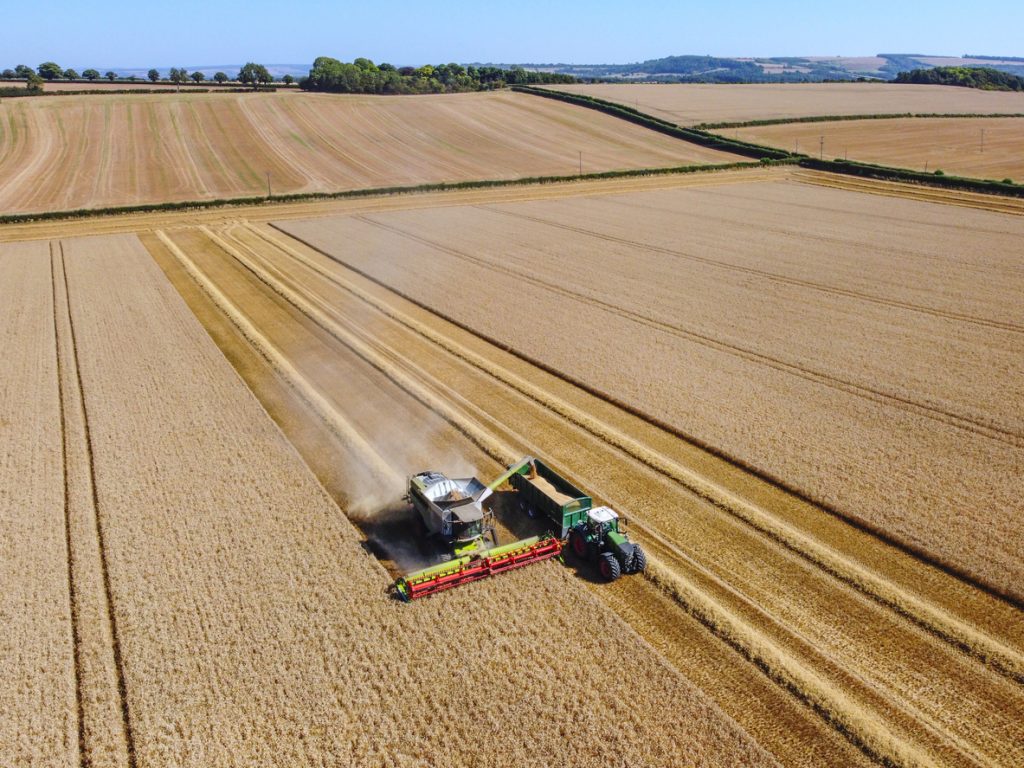
For many Nigerian farmers, increasing production is not only about planting better seeds or using more fertilizer. Transport delays, poor access to farm inputs, damaged produce, and unreliable movement between farms and markets can reduce the value of an otherwise good harvest. This is why better logistics can directly improve farm yields and help farmers earn more from what they produce.
A farmer in Oyo, Kaduna, Benue, Ogun, or Nasarawa may have good land and experienced workers, but operations can still suffer when fertilizer arrives late, machinery cannot reach the farm on time, or harvested crops spend too long waiting for transportation.
Good agricultural logistics helps keep the entire farming cycle moving.
Getting Farm Inputs to the Field at the Right Time
Timing matters greatly in farming. Seeds, fertilizers, herbicides, animal feed, irrigation equipment, and replacement parts are often needed within specific planting or production periods.
A two-week delay in moving fertilizer from Lagos to a farm in Ogun State, for example, can affect when it is applied. Similar problems occur when farmers in northern states have to wait for spare parts for tractors, pumps, or processing equipment.
Travo.ng can support agricultural businesses with transport coordination, cargo logistics, courier services, and scheduled deliveries for farm supplies.
Instead of arranging different vehicles every time something needs to move, farmers and agribusinesses can coordinate regular deliveries according to their production calendar.
Reduce Harvest Losses With Faster Produce Movement
Producing a large harvest does not automatically mean earning more money from it.
Tomatoes, vegetables, fruits, poultry products, and other perishables can lose quality quickly when they remain at collection points for too long. Even less-perishable crops such as yam, maize, cassava, and potatoes can suffer from poor handling or unsuitable transport.
A tomato farmer supplying Lagos from areas around Kano, Kaduna, or Plateau State must think beyond harvesting. Vehicles need to arrive when expected, loading must be properly coordinated, and produce should leave quickly enough to reach buyers in acceptable condition.
Reliable cargo movement reduces unnecessary waiting between harvest and market.
For shorter routes, scheduled pickups can also help farmers move produce from farms to aggregation centres, processing facilities, hotels, restaurants, supermarkets, and open markets.
Planning Transport Before Harvest Can Improve Farm Yields
One common mistake is waiting until harvest day before looking for a truck.
During busy agricultural periods, suitable vehicles may already be booked. Prices can also rise when demand increases around harvest seasons or major festive periods.
A better approach is to plan transportation alongside the farming calendar.
Farmers should know:
- Expected harvest dates
- Estimated quantity of produce
- Vehicle capacity required
- Pickup location and road conditions
- Delivery destination
- Whether multiple trips will be necessary
For example, moving 15 tonnes of produce requires different planning from transporting 50 bags of farm inputs. Matching the vehicle to the load helps control costs and reduces handling problems.
Travo.ng can coordinate suitable transport arrangements for farm supplies, harvested produce, equipment, and other agricultural cargo.
Farm Location Can Change the Logistics Plan
Many Nigerian farms are located away from major highways. A truck may comfortably travel from Lagos to Ibadan but struggle with the final kilometres on an unpaved rural road during the rainy season.
This is where local route planning becomes important.
Sometimes the practical solution is to use smaller vehicles for collection from the farm and transfer the goods to a larger truck at an accessible point. In other cases, pickups may need to happen earlier in the day before rainfall or local traffic makes movement difficult.
Understanding these realities helps prevent delays that can affect production and spoil harvested goods.
Better Farm Logistics Supports More Than One Harvest
The goal is not simply to move one load successfully. A dependable transport system makes future production easier to plan.
When farmers know that inputs can arrive when required and harvested produce can leave the farm without unnecessary delays, they can confidently expand production, supply larger buyers, and manage recurring orders.
Travo.ng supports farmers, agricultural suppliers, processors, wholesalers, and other agribusinesses with delivery services, cargo logistics, transport coordination, and business logistics support.
For farmers trying to improve farm yields, better seeds and good farming practices remain essential. But reliable movement before, during, and after production is just as important. When the logistics around the farm works properly, less time is wasted, fewer products are lost, and more of every harvest reaches the people willing to pay for it.
