


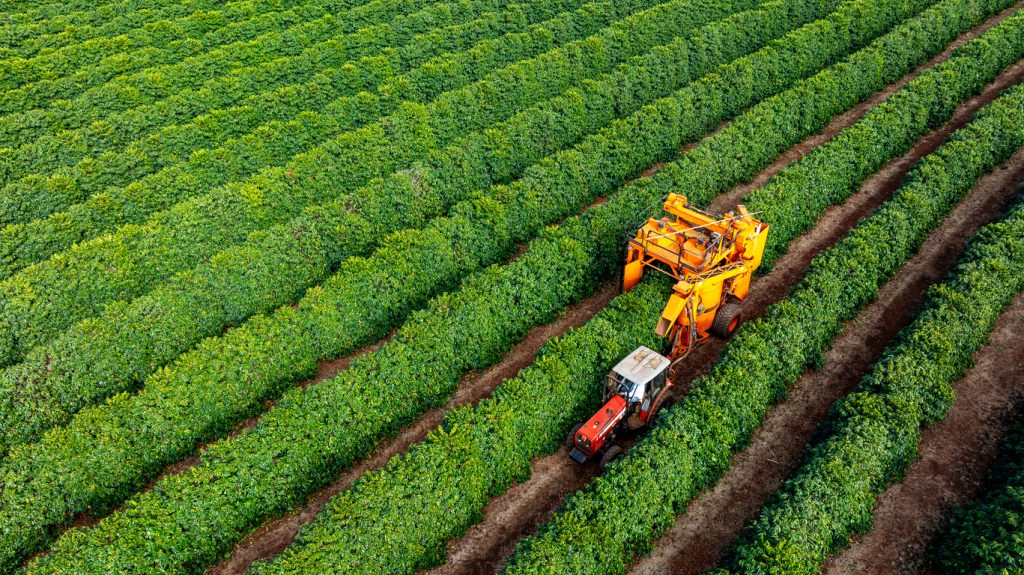
Running a large farm in Nigeria involves much more than planting crops and waiting for harvest. Labour must arrive on time, inputs need to reach the farm before planting windows close, machinery has to be coordinated, harvested produce must move quickly, and records need to remain accurate.
Professional large farm management services help farm owners bring these moving parts together. Instead of reacting to problems every day, the farm operates with a clearer plan covering workers, supplies, transport, field activities, storage, and distribution.
For commercial farms around Ogun, Oyo, Kaduna, Nasarawa, Benue, Plateau, and other agricultural areas, this level of coordination can make a noticeable difference during busy planting and harvesting periods.
What Large Farm Management Services Actually Cover
The exact work depends on the type and size of the farm. Managing a 100-hectare maize farm requires a different structure from supervising poultry units, vegetable production, or a mixed agricultural operation.
Typical farm management support may include:
- Coordinating farm workers and supervisors
- Scheduling planting, spraying, irrigation, and harvesting
- Organising movement of seeds, fertiliser, chemicals, and equipment
- Monitoring stock and farm supplies
- Arranging transport for workers and agricultural produce
- Coordinating machinery and vehicle use
- Supporting storage and post-harvest movement
- Keeping basic operational records and activity schedules
The goal is to ensure that important farm activities happen when they should, with fewer expensive delays.
Why Transport Planning Becomes Critical on Large Farms
Transport problems are easy to underestimate until they interrupt an entire farming schedule.
Consider a commercial farm outside Ibadan expecting fertiliser from Lagos. If the truck arrives two days late during a tight planting period, workers may remain idle and field activities could be pushed back.
Harvest periods create even more pressure. Tomatoes, vegetables, fruits, poultry products, and other time-sensitive agricultural goods cannot simply remain waiting because suitable vehicles were not arranged.
This is where logistics planning becomes part of effective large farm management services.
Travo.ng can support relevant transport coordination, cargo movement, vehicle hire, delivery services, and other logistics requirements connected with farm operations. Arrangements can be planned before critical agricultural activities instead of searching for transport after produce is already harvested.
Managing Workers Across Large Farming Locations
Large farms often depend on both permanent employees and temporary labour.
During land preparation or harvesting, the number of workers required may rise quickly. Farms located several kilometres away from nearby towns may also need coordinated staff transportation.
A practical management system should clearly answer questions such as:
- How many workers are needed for each field?
- What time must they arrive?
- Which supervisor is responsible for each team?
- Is transport required?
- Are tools and materials already available before workers arrive?
Poor coordination can mean paying dozens of workers for a day while equipment, seeds, chemicals, or vehicles are still missing.
Good farm management reduces these avoidable disruptions.
Moving Harvested Produce Without Losing Valuable Time
Harvesting is only one part of the job. Produce still needs to leave the farm.
A farm supplying maize to processors in Lagos, vegetables to wholesalers in Mile 12, or food products to businesses in Abuja needs dependable movement from farm gate to buyer.
Vehicle selection should match the load. Smaller urgent deliveries may require vans or pickups, while bulk agricultural produce may need larger trucks.
For farms managing regular shipments, Travo.ng’s cargo logistics and transport coordination services can help organise movement based on volume, destination, timing, and vehicle requirements.
Early planning is especially important during peak harvest seasons when trucks may be harder or more expensive to secure.
Common Operational Problems Farm Owners Should Watch
Some problems repeatedly affect commercial farms:
Ordering inputs too late, failing to confirm vehicles before harvest, keeping weak inventory records, depending on one supplier, and having no clear responsibility between supervisors are common examples.
Weather can create additional complications. Heavy rainfall may affect rural access roads, while fuel shortages or vehicle breakdowns can delay deliveries.
Large farms therefore need contingency plans rather than relying on perfect conditions.
Building a Farm Operation That Can Grow
Expansion becomes difficult when every decision depends on the farm owner personally.
Reliable large farm management services create systems for scheduling, supervision, logistics, worker coordination, stock control, and produce movement. Those systems make it easier to manage larger acreage or additional locations without losing visibility over daily operations.
Travo.ng can support the logistics side of that structure through cargo transportation, vehicle hire, delivery coordination, business logistics support, and movement of farm supplies or harvested goods.
The strongest farm operations are usually not the ones without challenges. They are the ones organised well enough to respond quickly when those challenges appear.
