


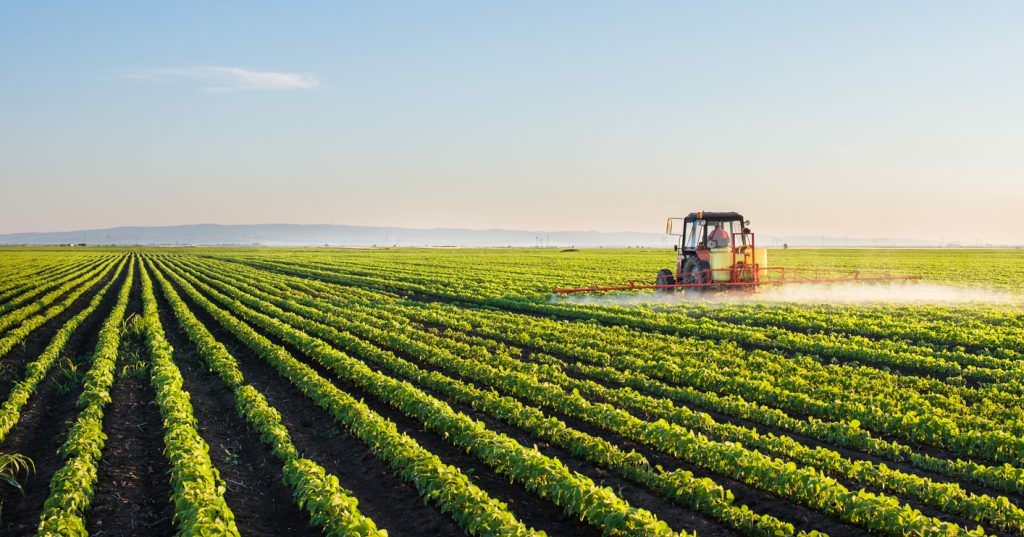
Precision agriculture in Nigeria is gradually changing how commercial farms and serious smallholder operators make decisions about planting, irrigation, fertiliser application, pest control and harvesting. Instead of treating every part of a farm the same way, farmers can use data to identify exactly where attention, water or inputs are needed.
For Nigerian agriculture, where rising input costs, unpredictable rainfall and labour shortages can quickly reduce profit margins, that difference matters.
The technology itself is only part of the equation. Farmers also need dependable access to equipment, replacement parts, farm inputs and transport. This is where practical logistics support from companies such as Travo.ng can become useful, especially when farms are located outside major commercial centres.
What Precision Agriculture Actually Looks Like on a Nigerian Farm
Precision farming does not always mean buying expensive autonomous tractors.
A maize farmer outside Kaduna, for example, may begin with GPS mapping and soil testing to understand which sections of the farm need more fertiliser. A vegetable grower around Ogun State may use soil-moisture sensors to avoid overwatering during the dry season.
Larger operations may combine:
- GPS-guided tractors
- Drone-based crop monitoring
- Satellite imagery
- Soil and moisture sensors
- Variable-rate fertiliser application
- Digital farm-management platforms
- Automated irrigation systems
The objective is straightforward: use the right input, in the right quantity, at the right location and time.
Where Nigerian Farmers Can Save Money
Fertiliser, diesel, pesticides and labour are major operating expenses. Applying inputs uniformly across hundreds of hectares can mean spending money on areas that do not require the same treatment.
Suppose soil analysis shows that only 60 hectares of a 100-hectare farm require a particular nutrient correction. Targeted application can reduce unnecessary fertiliser use on the remaining land.
The same principle applies to irrigation. Moisture sensors can tell a farmer that one section needs watering while another still has adequate moisture.
These savings become particularly important when fertiliser prices rise or farmers must transport inputs long distances from Lagos, Abuja, Kano or other distribution centres.
Getting Equipment and Farm Inputs to the Right Location
One overlooked part of precision agriculture in Nigeria is logistics.
A sensor, drone battery, pump component or tractor attachment is not useful if it remains at a supplier’s warehouse while operations on the farm are delayed.
Farms in places such as Nasarawa, Niger, Oyo, Kaduna or Ogun may need equipment moved from distributors in larger cities. Delivery arrangements should account for the size of the item, road conditions and whether special handling is necessary.
Travo.ng can support these movements through relevant courier, cargo logistics and transport coordination services. Smaller components may require parcel delivery, while bulky equipment can need a vehicle arranged specifically for the load.
For businesses managing multiple farms, having one logistics arrangement for regular movement of supplies can also reduce last-minute transport problems.
Data Does Not Replace Practical Farm Knowledge
Technology can indicate that a section of farmland is underperforming, but someone still needs to determine why.
Poor drainage, pests, nutrient deficiencies, damaged irrigation pipes and soil conditions can sometimes produce similar warning signs.
Successful precision farming therefore combines digital information with agronomic experience. Farmers should start by identifying a specific problem rather than purchasing technology simply because it is available.
For example, a farm struggling with water management might prioritise moisture monitoring before investing heavily in drone mapping.
Plan Logistics Before the Planting Season Gets Busy
Demand for farm inputs normally increases around planting periods. Waiting until machinery is already required in the field before arranging transport can create costly delays.
Farm managers should confirm suppliers, equipment availability and transportation requirements early. Critical spare parts should also be identified before operations begin.
Where staff or technicians need to travel to farms, transport coordination and vehicle hire can be arranged ahead of time rather than after equipment has stopped working.
Travo.ng can help coordinate suitable delivery and transport options for businesses moving agricultural supplies, equipment or personnel between Nigerian cities and farm locations.
Making Precision Farming Practical in Nigeria
Precision agriculture in Nigeria has the strongest potential when technology solves a clearly identified farming problem.
A farm does not need every available digital tool at once. Starting with soil testing, GPS mapping, irrigation monitoring or crop surveillance can provide measurable information before larger investments are made.
The operational side matters just as much. Equipment must arrive when required, technicians need reliable transportation, and farm inputs must move efficiently from suppliers to production areas.
When good agricultural data is combined with dependable logistics and experienced farm management, precision farming becomes more than technology. It becomes a practical way to reduce waste, improve productivity and make Nigerian farming operations easier to manage.
