


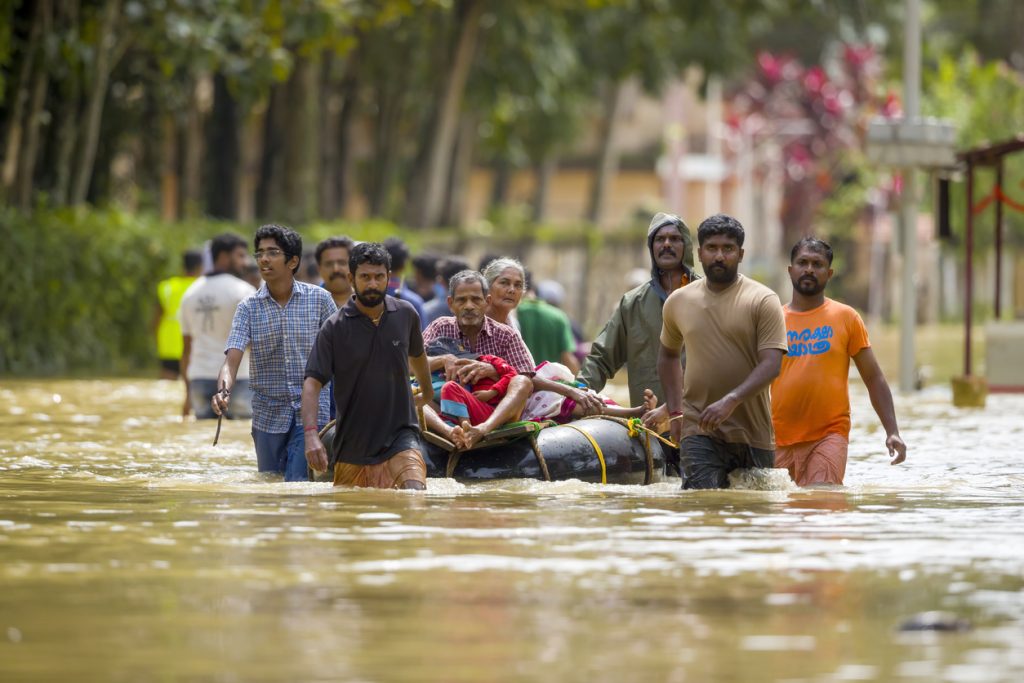
Flood emergencies in Nigeria can develop much faster than people expect. A road that was passable in the morning may become completely flooded after several hours of heavy rainfall, while homes and businesses in low-lying communities can suddenly require evacuation.
When lives, vehicles, property or essential supplies are at risk, contacting a trained flood rescue team in Nigeria is safer than relying on unprepared volunteers or attempting to cross floodwater without proper equipment.
Travo.ng helps individuals, businesses and organisations coordinate practical emergency transport and logistics support during difficult situations, including evacuation movements, vehicle coordination and transportation of essential items.
What a Trained Flood Rescue Team Actually Does
Flood rescue is more than sending a vehicle to a flooded neighbourhood. Conditions need to be assessed before anyone enters the affected area.
A trained team may help coordinate:
- evacuation of stranded residents;
- movement of vulnerable people to safer locations;
- transport of emergency supplies;
- recovery support for stranded vehicles;
- communication between drivers and rescue personnel;
- movement to temporary accommodation or designated safe areas.
The exact response depends heavily on water depth, road access, rainfall intensity and whether specialist equipment such as boats is required.
Someone stranded around Lekki, for example, may face a completely different situation from a family affected by flooding along communities close to the River Niger.
Flood Rescue in Lagos Requires Local Route Knowledge
Lagos flooding is particularly unpredictable because two streets within the same neighbourhood can have completely different conditions.
Areas around Lekki, Ajah, Victoria Island, Ikoyi, Surulere and sections of the mainland may experience serious waterlogging after prolonged rainfall. Traffic also becomes a major problem because motorists naturally divert towards the few available roads.
A rescue operation therefore needs more than navigation from a phone map.
Teams must consider which roads remain accessible, whether ordinary vehicles can safely enter, where evacuees can be collected and where they will be taken afterwards.
Trying to drive through water without knowing its depth is one of the most common and dangerous mistakes motorists make during flooding.
What Information Helps Emergency Teams Respond Faster
When requesting assistance, provide accurate information rather than simply saying, “We are flooded.”
Useful details include:
- Your exact location and nearest recognisable landmark.
- The number of people requiring assistance.
- Whether children, elderly people or anyone with limited mobility are present.
- Approximate water level around the building or vehicle.
- Whether the road leading to you is still accessible.
- Whether electricity cables, damaged structures or fast-moving water are visible.
Photos or short videos can also help responders understand conditions before approaching the location.
Businesses Also Need Flood Emergency Planning
Flooding does not only affect households.
Warehouses, offices, construction sites, hotels and retail businesses may suddenly need staff evacuation, cargo relocation or emergency vehicle arrangements.
For example, a company with goods stored in a flood-prone part of Lagos may need trucks moved before water reaches loading areas. Another business may need urgent transport for employees who cannot safely leave their workplace.
Travo.ng can support these situations through transport coordination, vehicle hire, cargo logistics and emergency movement planning where conditions permit.
Planning early is normally cheaper and safer than waiting until access roads are already underwater.
Do Not Treat Floodwater Like an Ordinary Road Problem
Floodwater can hide potholes, open drains, broken road sections and strong currents. Even familiar streets can become dangerous once landmarks disappear beneath water.
If conditions are severe, avoid entering the water simply because another vehicle appears to have crossed successfully.
Instead, seek professional assistance and give responders enough information to determine what equipment and transport arrangement may be appropriate.
Getting Flood Rescue and Emergency Transport Support
When you need a trained flood rescue team in Nigeria, speed matters, but safe coordination matters just as much.
Travo.ng can help organise emergency transportation, evacuation logistics, vehicle arrangements and related movement support based on the location and situation.
Whether the emergency involves a flooded Lagos neighbourhood, stranded passengers, employees needing evacuation or essential items that must be moved quickly, the priority should always be getting people away from danger without creating another emergency.
Contact Travo.ng with your location, number of people involved and current conditions so the appropriate emergency transport or rescue support can be coordinated.
