


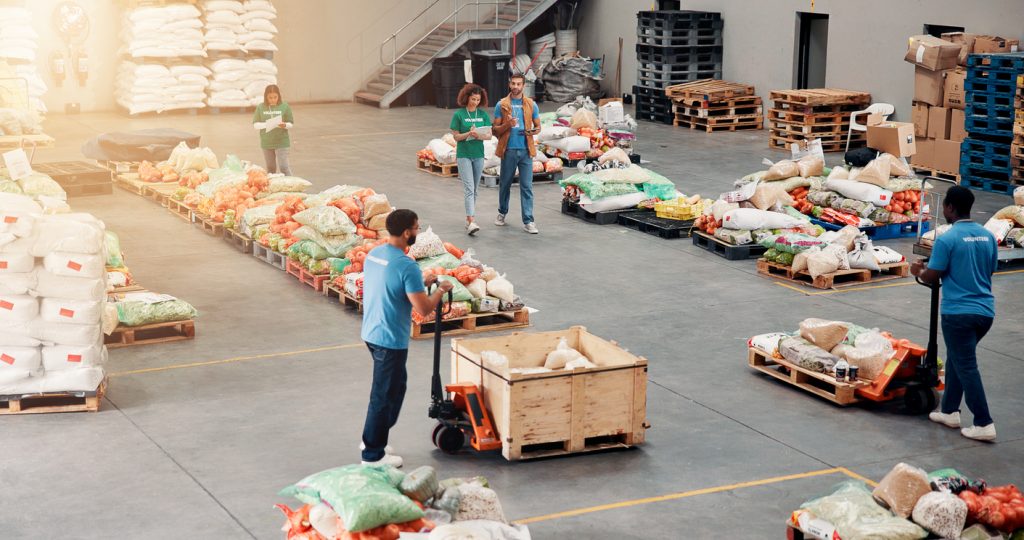
When an NGO is responding to flooding, displacement, disease outbreaks, food shortages or another humanitarian emergency, moving supplies quickly can be as important as sourcing them. NGO emergency logistics in Nigeria requires more than simply hiring a truck and sending it to a destination. Teams must coordinate vehicles, warehouses, drivers, delivery schedules, cargo handling and sometimes last-mile movement into difficult locations.
Travo.ng supports humanitarian organisations with practical transport and logistics coordination, helping move relief supplies, equipment and personnel where they are needed without adding unnecessary complications to an already demanding operation.
Emergency Deliveries Rarely Follow a Normal Logistics Schedule
A commercial delivery can sometimes wait until the next business day. Emergency relief supplies usually cannot.
An NGO responding to flooding in parts of Lagos, for example, may suddenly need hundreds of cartons of bottled water, hygiene supplies and packaged food moved from a warehouse in Ikeja to temporary distribution locations.
A field team operating from Abuja may need medical supplies dispatched towards Minna or another affected community on short notice. In other cases, equipment arriving by air may need immediate airport pickup and onward transportation.
These movements require fast decisions about vehicle size, loading arrangements, routes and delivery priorities.
Travo.ng can coordinate courier services, cargo movement, vehicle hire and transport arrangements according to the urgency and volume involved.
Choosing the Right Vehicle Can Prevent Costly Delays
One common emergency logistics mistake is booking transport before confirming the actual cargo dimensions and weight.
A few cartons of medical consumables may fit comfortably in a car or small van. Several pallets of bottled water, shelter materials or food supplies will require something larger. Oversized equipment may need dedicated haulage arrangements.
Before dispatch, logistics coordinators should confirm:
- Total number of cartons, bags or pallets
- Estimated cargo weight
- Pickup and delivery locations
- Loading and unloading requirements
- Road accessibility at the destination
- Required delivery deadline
- Whether multiple distribution points are involved
Providing these details early makes it easier to match the shipment with an appropriate vehicle and avoid emergency vehicle changes halfway through an operation.
Moving Relief Supplies Between Nigerian Cities
Interstate humanitarian logistics brings another set of challenges.
A Lagos-to-Abuja cargo movement can take roughly a full road-travel day under favourable conditions, but traffic, checkpoints, vehicle restrictions, road conditions and loading delays can extend the schedule.
Deliveries towards communities outside major cities require even more planning. The main truck may only be able to reach a central town, after which smaller vehicles are needed for the final stage of distribution.
For NGOs working across several states, transport coordination should therefore be planned around realistic arrival windows rather than theoretical driving times.
Travo.ng can help organise interstate cargo logistics and supporting last-mile transportation, allowing teams to focus on relief coordination rather than managing different transport providers separately.
Airport Pickup for Emergency Teams and Supplies
Humanitarian operations often involve people as well as cargo.
Technical specialists, medical personnel, programme officers or international partners arriving through Murtala Muhammed International Airport in Lagos or Nnamdi Azikiwe International Airport in Abuja may need reliable onward transportation immediately after arrival.
Airport pickups can be coordinated alongside vehicle hire, hotel reservations and local transport arrangements. This is particularly useful when several team members are arriving at different times or travelling onwards to field locations.
Having these arrangements confirmed before arrival reduces confusion during time-sensitive deployments.
Planning for the Last Mile Before the Truck Leaves
Getting supplies to a state capital does not necessarily mean they have reached the people who need them.
Flooded roads, narrow community access routes, congestion, poor road surfaces and limited unloading facilities can all complicate the last few kilometres.
Emergency logistics planning should therefore identify the final distribution point before cargo leaves the warehouse.
In some situations, the practical approach is to move bulk supplies with a larger truck to a temporary hub and divide the load among smaller vehicles for community distribution.
This type of planning can prevent a large vehicle from reaching the destination area only to discover that it cannot access the actual delivery point.
Coordinate NGO Emergency Logistics in Nigeria With Travo.ng
Effective NGO emergency logistics in Nigeria depends on speed, but speed without coordination can create expensive mistakes.
Travo.ng provides practical support for organisations that need urgent deliveries, cargo transportation, airport pickups, vehicle hire, interstate logistics and field transport coordination.
Whether an organisation is moving emergency supplies from Lagos to Abuja, dispatching relief materials within a city or arranging transport for field personnel, planning the movement properly from pickup to final delivery makes the response more reliable.
For urgent humanitarian operations, Travo.ng can help coordinate the vehicles, deliveries and transport arrangements needed to keep relief activities moving.
